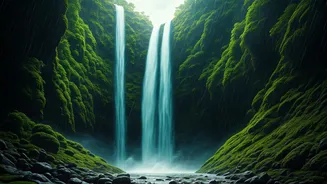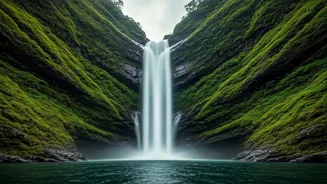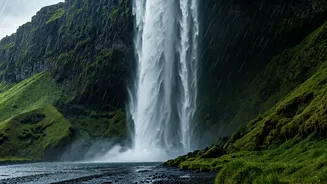


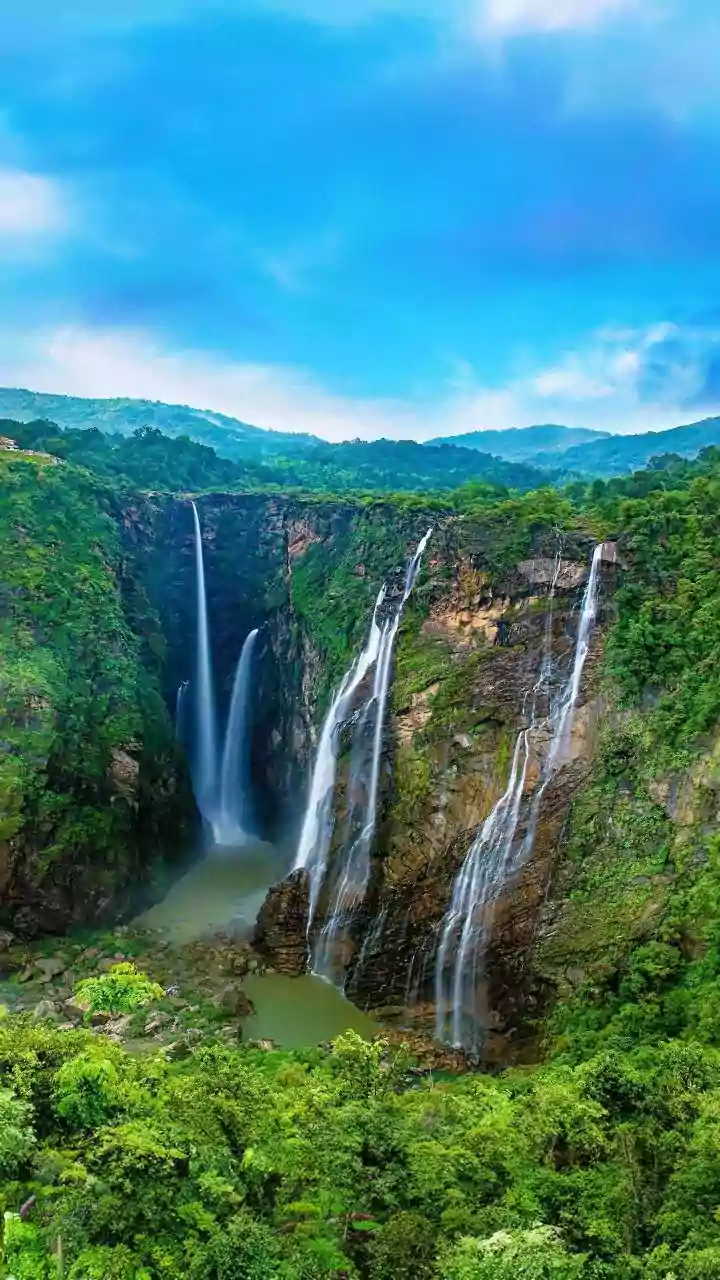




What is a Reverse Waterfall?
Before you start questioning physics, let's be clear: gravity is still very much in charge. A reverse waterfall is a breathtaking optical illusion that occurs during peak monsoon season. When ferocious winds barrel into a cliff face, they meet the cascading
water of a waterfall. If the wind pressure is strong enough, it overpowers the falling water, pushing the spray and smaller droplets upwards and backwards. The result is a mesmerising spectacle where the water appears to be flowing back up to the sky from where it came. This natural wonder is most common in the Western Ghats, where the monsoon winds arrive with incredible force after travelling across the Arabian Sea.
1. Naneghat, Maharashtra
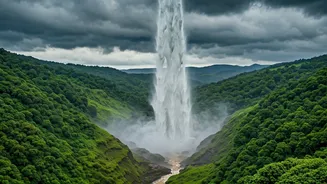
Arguably the most famous spot to witness this phenomenon is Naneghat, a mountain pass nestled in the Western Ghats near Junnar in Pune district. Situated about a three-hour drive from Mumbai, this historic trade route transforms into a natural theatre during the monsoon. Trekkers and tourists flock here to stand at the edge of the cliff and watch in awe as the waterfall blasts upwards, drenching everyone in a cool, misty spray. The surrounding landscape, a carpet of vibrant green under a moody grey sky, makes the experience even more dramatic. The winds here are particularly powerful, creating a consistent and impressive reverse flow that has made it a viral sensation year after year.
2. Sandhan Valley, Maharashtra
Known as the 'Valley of Shadows', Sandhan Valley near Bhandardara is another prime location for this magical sight. This magnificent canyon, carved by water over millions of years, offers a more rugged and adventurous setting. During the monsoon, several waterfalls cascade down its formidable rock walls. When the winds are right, these streams are blown back up, creating a wild, ethereal display. It's a popular destination for trekkers and adventure enthusiasts, but the reverse waterfall adds a unique seasonal attraction. The combination of the deep, narrow gorge and the upward-flowing mist creates a truly unforgettable atmosphere, making the challenging journey to get there well worth the effort.
3. Amboli Ghat, Maharashtra
Further south, near the border of Maharashtra and Goa, lies the lush hill station of Amboli. Famous for its incredibly high rainfall, Amboli Ghat is teeming with waterfalls during the monsoon. One particular waterfall near the main viewpoint has become a popular tourist stop specifically to see the reverse effect. While perhaps not as towering as Naneghat, the sheer volume of rain and the consistent winds make it a reliable spot. Visitors can park nearby and walk to the viewpoint, where they are often greeted by a wall of mist rising from the valley below. It’s an easily accessible way to experience the wonder without a strenuous trek.
Tips for a Safe Visit
While witnessing a reverse waterfall is a must-do, safety should be your top priority. These locations are often at high altitudes with strong winds and slippery surfaces. Always wear sturdy footwear with a good grip. Avoid standing too close to the edge of cliffs, as gusts of wind can be unpredictable and dangerous. It's best to go with a group and inform someone of your plans. The best time to visit is typically from July to September, when the monsoon is at its peak, but always check local weather conditions before you head out, as heavy rains can sometimes lead to road closures.