





Why Your Dream Trip Suddenly Costs More
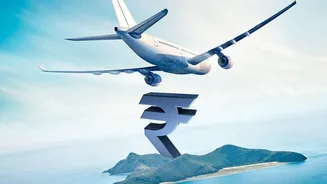
The simple answer lies in the exchange rate between the Indian Rupee (INR) and the US Dollar (USD). As of late August 2026, the dollar has shown significant strength, trading at over ₹95. When the dollar is strong, it means you need more rupees to buy
a single dollar. This directly impacts your travel budget, as many international expenses—from flights and hotels to tours—are often priced or benchmarked in USD. Even if you're not travelling to the United States, a strong dollar often has a ripple effect. Many countries either peg their currency to the dollar or use it widely in the tourism sector, meaning costs there also rise for anyone converting from rupees.
The Global Power of the Greenback
So, what makes the dollar so mighty? Its strength is often a reflection of the US economy's performance relative to others. Factors like interest rate policies from the US Federal Reserve, global economic stability, and investment flows all play a part. When global uncertainty rises, investors often flock to the dollar as a 'safe-haven' currency, pushing up its value. This isn't a reflection of the rupee weakening in isolation but rather the dollar strengthening against most global currencies. For Indian travellers, this translates into reduced purchasing power abroad, making everything from a coffee in Paris to a safari in Kenya more expensive if those services are linked to the dollar.
Smart Swaps: Where Your Rupee Still Rules
Don't shelve your passport just yet. The key is to travel smarter by choosing destinations where the rupee still packs a punch. Several countries have currencies against which the INR has a favorable exchange rate, offering incredible value. Consider destinations in Southeast Asia like Vietnam, Indonesia, and Cambodia. In Vietnam, for instance, one Indian Rupee can get you over 300 Vietnamese Dong, making everything from street food to stays incredibly affordable. Similarly, countries like Hungary in Eastern Europe, and even Japan and South Korea, can be surprisingly budget-friendly if planned well. These destinations offer rich cultural experiences without the financial strain of a dollar-denominated price tag.
Budgeting Hacks for a Strong-Dollar World
A strong dollar demands a strategic approach to travel planning. First, book flights and accommodation well in advance to lock in prices before they potentially rise further. When paying, always choose to be charged in the local currency, not your home currency, to avoid unfavorable conversion rates applied by merchants. Using a forex card instead of a credit or debit card can also save you money, as they often come with lower conversion fees and locked-in exchange rates. Finally, embrace the local experience. Eating at local restaurants instead of tourist traps, using public transport, and staying in guesthouses or homestays can significantly cut down costs and often lead to a more authentic travel experience.