







The Spark: What Did the FDA Find?
In early July 2026, the Maharashtra Food and Drug Administration (FDA) issued a serious warning to the public. Laboratory tests on three specific beauty creams—Goree Beauty Cream, Face Fresh Gold, and Golden Star Beauty Cream—revealed dangerously high
levels of heavy metals like mercury and lead. Declared "Not of Standard Quality," these products were found to be unsafe for human use. The FDA noted that prolonged application could lead to severe health issues, including kidney and nervous system damage. To make matters worse, the products lacked mandatory information like manufacturer details, batch numbers, and expiry dates, highlighting their questionable origin and making them impossible to trace.
A Multi-Billion Rupee Problem
This incident is not an isolated one; it's a symptom of a much larger national problem. India's beauty and personal care market is booming, valued at over USD 15 billion and projected to grow significantly. However, a substantial portion of this market is plagued by counterfeit, spurious, and unregulated products. Reports suggest that as much as 25-30% of fast-moving consumer goods sold in India could be fake. These products thrive in both bustling street markets and, increasingly, on unverified e-commerce sites and social media pages that lure customers with prices that seem too good to be true. This illicit trade not only harms legitimate brands but also poses a massive public health risk and results in significant tax losses for the government.
The Hidden Health Costs
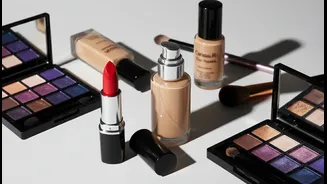
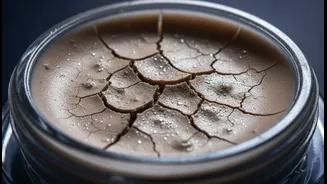
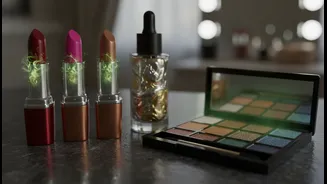
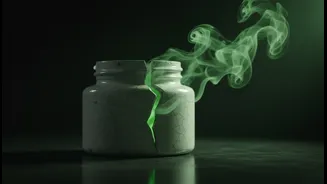
The true cost of a fake lipstick or a counterfeit fairness cream is paid by the consumer's health. Unregulated products bypass all safety testing and are often manufactured in unhygienic conditions. Lab tests on seized fake cosmetics have revealed a horrifying cocktail of ingredients, including dangerous levels of mercury, lead, arsenic, and even industrial dyes. Mercury, often used in fairness creams for its melanin-blocking effect, is a potent poison that the skin absorbs, leading to potential kidney damage over time. Other toxic ingredients can cause a range of issues from severe skin allergies, irritation, and infections to long-term pigmentation and permanent skin damage.
Gaps in the Regulatory System
India's primary legislation for this sector is the Drugs and Cosmetics Act of 1940. While comprehensive, its enforcement is a massive challenge. The sheer scale of the informal market, coupled with the explosion of online sellers, makes it nearly impossible for drug inspectors to police every transaction. The law prohibits the manufacture and sale of adulterated, spurious, and misbranded products, but penalties are often not a strong enough deterrent. Furthermore, the cross-state nature of these counterfeit networks and the anonymity provided by online platforms create complex jurisdictional hurdles for state-level bodies like the Maharashtra FDA. Experts argue that combating this requires stronger collaboration between state and central agencies, stricter online marketplace accountability, and more robust surveillance.
How Consumers Can Protect Themselves
While regulators work to crack down on these illegal operations, the first line of defense is an aware consumer. Turning risk into utility starts with vigilance. Always buy from authorised sellers or official brand websites. Be highly suspicious of unusually deep discounts on premium products. Before you buy, inspect the packaging closely for spelling mistakes, inconsistent fonts, or poor-quality printing—all common signs of a fake. Check for a verifiable batch number, manufacturing date, and expiry date. Many brands now include security holograms or QR codes that can be scanned to confirm authenticity. If a deal looks too good to be true, it almost certainly is.