

From Kitchen Scraps to Culinary Gold
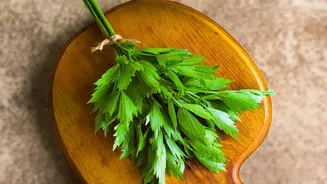
In many Indian kitchens, fresh coriander and mint are staples, but their fibrous stems are often discarded. Embracing a zero-waste approach isn't just about sustainability; it's about unlocking hidden potential. Those very stems are packed with the same
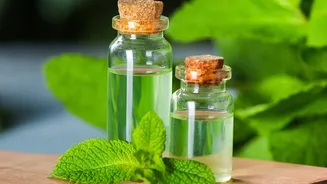
aromatic compounds as the leaves, just in a more robust form. By infusing them into oil, you extract their essence, creating a flavourful condiment that costs next to nothing. This simple act transforms what was once considered 'waste' into a valuable pantry ingredient, perfect for drizzling, dressing, and marinading.
Gather Your Simple Ingredients
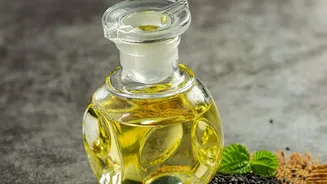
The beauty of this process lies in its simplicity. You only need two main things: leftover herb stems and oil. For the stems, gather a good handful of fresh mint and coriander stalks. Ensure they are thoroughly washed and, most importantly, completely dry. Any moisture can encourage bacterial growth, so pat them dry with a clean cloth or let them air-dry completely. For the oil, choose a neutral-flavoured one that won't overpower the delicate herbs. Grapeseed, sunflower, or a light olive oil are excellent choices. Extra virgin olive oil can also be used if you enjoy its richer, fruity flavour as a base. The key is to use a fresh, good-quality oil, as its taste will be a major component of the final product.
Method 1: The Patient Cold Infusion
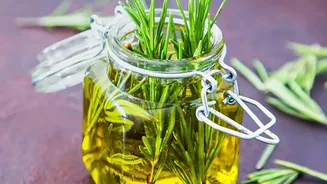
The cold infusion method is incredibly simple and best for preserving the most delicate, fresh notes of the herbs. It requires patience but almost no active effort. First, lightly bruise the clean, dry stems by crushing them gently. This helps release their essential oils. Place the bruised stems into a clean, sterilised glass jar. Pour your chosen oil over the stems, ensuring they are completely submerged. Seal the jar tightly and place it in a cool, dark place, like a kitchen cabinet, for one to two weeks. Give the jar a gentle shake every couple of days to help the infusion along. The oil will slowly take on the beautiful, fresh aroma of the mint and coriander.
Method 2: The Speedy Hot Infusion
If you're short on time, the hot infusion method can deliver a flavourful oil in under an hour. This technique uses gentle heat to speed up the extraction of flavours, often resulting in a more intense taste. Combine the clean, dry stems and your oil in a small saucepan. Heat the mixture gently over the lowest possible heat for about 10 to 15 minutes. Be very careful not to let the oil simmer or boil; you are warming it, not frying the herbs. The goal is to gently coax the flavour out. Once you can smell the fragrant aroma of mint and coriander, remove the pan from the heat. Allow the oil to cool down to room temperature completely with the stems still inside.
A Critical Step: Straining and Safe Storage
Proper storage is crucial for safety. Because fresh herbs contain moisture and are low-acid foods, improperly stored infused oils can create an oxygen-free environment where Clostridium botulinum bacteria can grow, posing a serious health risk. To prevent this, your herbs must be completely dry before infusing. Once your oil is infused, strain it through a fine-mesh sieve or cheesecloth to remove all solid plant material. Pour the clear, infused oil into a sterilised, airtight glass bottle. For maximum safety and freshness, store your homemade oil in the refrigerator and aim to use it within two to three weeks. Never store homemade oil with fresh ingredients at room temperature.
How to Use Your Homemade Herb Oil
Now for the fun part. Your vibrant, aromatic mint-coriander oil is a versatile kitchen powerhouse. Drizzle it over a finished dal or sabzi for a final burst of freshness. Use it as a base for a zesty salad dressing or a marinade for paneer, chicken, or fish. It's also fantastic for tossing with roasted vegetables, finishing a bowl of soup, or simply serving with crusty bread for dipping. The cool notes of mint and the earthy brightness of coriander make it a unique and delicious addition to countless dishes, adding a professional touch with minimal effort.