




The Search for Authentic Experiences
For years, travel felt like a checklist. See the famous fort, click a picture at the designated viewpoint, and move on. But today, a growing number of travellers are seeking genuine connection over curated photo-ops. This means moving away from places
where the experience is packaged and predictable. Instead of another crowded hill station, they are drawn to places like Ziro Valley in Arunachal Pradesh. Here, the main attraction isn't a monument, but the unique culture of the Apatani tribe, the serene pine-clad hills, and the rhythm of life in a place that hasn't been reshaped entirely for tourism. The goal is no longer just to see a place, but to understand it, engage with its local life, and come back with a story, not just a selfie.
Escaping the Crush of Overtourism
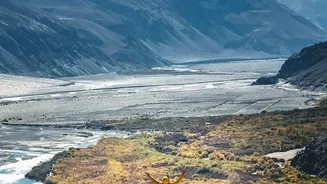
Popular destinations like Shimla, Goa, and Jaipur are buckling under the pressure of their own success. Overtourism leads to strained infrastructure, environmental damage, and a diminished experience for everyone. Who wants to be stuck in a line for hours or fight for a small patch of sand on a littered beach? This fatigue is a major driver pushing people towards alternatives. Instead of the commercial bustle of mainstream beaches, travellers are finding peace in Gokarna, Karnataka, with its laid-back vibe and pristine shores like Om Beach and Kudle Beach. Similarly, the crowded trails of popular Himalayan towns are being swapped for the tranquil landscapes of Spiti Valley or the meadows of Dzukou Valley on the Nagaland-Manipur border. These places offer the beauty of nature without the disruptive noise of mass tourism.
A Growing Eco-Consciousness
The modern Indian traveller is more aware of their environmental footprint than ever before. Recent studies show a significant rise in the desire for sustainable travel choices. Many travellers state they want to leave a place better than they found it and are inspired by seeing sustainable practices in action. This mindset shifts the focus to destinations and accommodations that prioritize the planet. It means choosing homestays over large resorts, supporting community-run tourism projects, and visiting places that are actively conserving their natural heritage. Destinations that offer eco-friendly stays and immersive nature experiences, like the backwaters of Kerala or the remote villages of Meghalaya, are gaining favour. This isn't just about feeling good; it's about actively participating in the preservation of India's natural beauty.
Getting More Bang for Your Buck
Let's be practical: budget matters. In heavily touristed areas, prices for hotels, food, and activities are often inflated. Offbeat destinations, on the other hand, usually offer a far more affordable and value-packed experience. A trip to a lesser-known gem can mean your money goes further, allowing for a longer stay or more unique activities. For example, exploring the ancient ruins of Hampi in Karnataka or the stunning gorge of Gandikota can be significantly lighter on the wallet than a weekend in a metro city or a popular luxury destination. These places prove that an unforgettable travel experience doesn't need to come with a hefty price tag, making authentic travel more accessible to everyone.
The Rise of Niche Social Media
While mainstream social media once fueled the rush to popular spots, a new wave of content creators is now doing the opposite. Travel vloggers and Instagrammers are building followings by exploring the unexplored, showcasing the charm of their local regions and uncovering 'secret' spots. Their content feels more personal and trustworthy than a glossy ad campaign. This digital word-of-mouth is putting places like Majuli in Assam, the world's largest river island, or the serene Tirthan Valley in Himachal Pradesh on the map for a new generation of explorers. Travellers are no longer just looking at a list of top 10 destinations; they're getting inspired by real people sharing their authentic journeys to places that truly feel like a discovery.