



A Quest for Deeper Experiences
The postcard-perfect photo is no longer the ultimate travel goal. Today's tourists, particularly younger demographics, are seeking immersive journeys that offer genuine cultural engagement and personal enrichment. This pivot towards 'experiential travel'
has been accelerated in recent years, with a growing number of people wanting to understand the places they visit on a deeper level. Instead of just seeing a place, they want to feel it, taste its unique flavours, and connect with its people. This collective shift is reshaping the industry, moving it away from standardized itineraries and towards unique, memorable experiences that resonate long after the trip is over.
Into the Wild: The New-Age Lodge
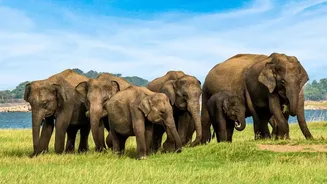
Wildlife tourism in India is evolving beyond the traditional safari. A new generation of wildlife lodges is emerging as a high-yield niche, particularly in destinations like Ranthambore and Satpura. These are not just places to sleep; they are hubs of conservation and eco-conscious hospitality. They offer travellers a chance to immerse themselves in nature with a minimal footprint, often featuring architecture that blends with the landscape and activities that go beyond a quick jeep tour. Think guided nature walks with local naturalists, birdwatching excursions, and evenings spent learning about the local ecosystem. This model promotes a form of tourism that is both low-impact and high-satisfaction, giving visitors a richer understanding of India's incredible biodiversity.
At Home in the Heartland: The Homestay Revolution
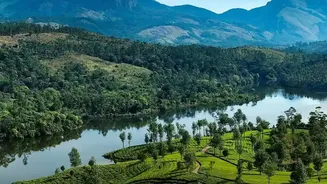
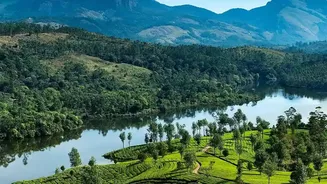
Perhaps the most powerful trend is the rise of the rural homestay. This movement brings tourism directly into the heart of India's villages, offering travellers an unparalleled window into local life, culture, and traditions. Staying with a family provides an authentic experience that a hotel simply cannot replicate—from savouring home-cooked regional cuisine to participating in daily farm activities or learning a traditional craft. This form of tourism is also a powerful tool for socio-economic development. It creates sustainable livelihoods, empowers local communities, especially women, and helps preserve cultural heritage by giving it economic value. As a low-capital venture that often utilises existing homes, it's an accessible way for rural families to enter the tourism economy.
A Push from the Top
This transformation isn't happening in a vacuum. It is being actively encouraged by national and state governments. The Ministry of Tourism's 'Swadesh Darshan 2.0' scheme is a key driver, with a clear focus on developing sustainable and responsible destinations. Initiatives under this programme aim to develop hundreds of tribal-run and rural homestays, providing financial assistance and training to local households. States like Uttar Pradesh and Sikkim are also launching their own ambitious plans to develop hundreds of villages as tourism hubs, complete with homestays and farm stays. By formulating national strategies for rural and ecotourism, the government is building a framework to ensure this growth is managed responsibly, balancing economic benefits with cultural and environmental preservation.