





Fueling the Daily Grind
The typical workday, whether in an office or at home, is often sedentary and mentally taxing. The goal here is sustained energy and focus, not a calorie-heavy meal that leads to a post-lunch slump. Prolonged sitting and stress can also trigger mindless
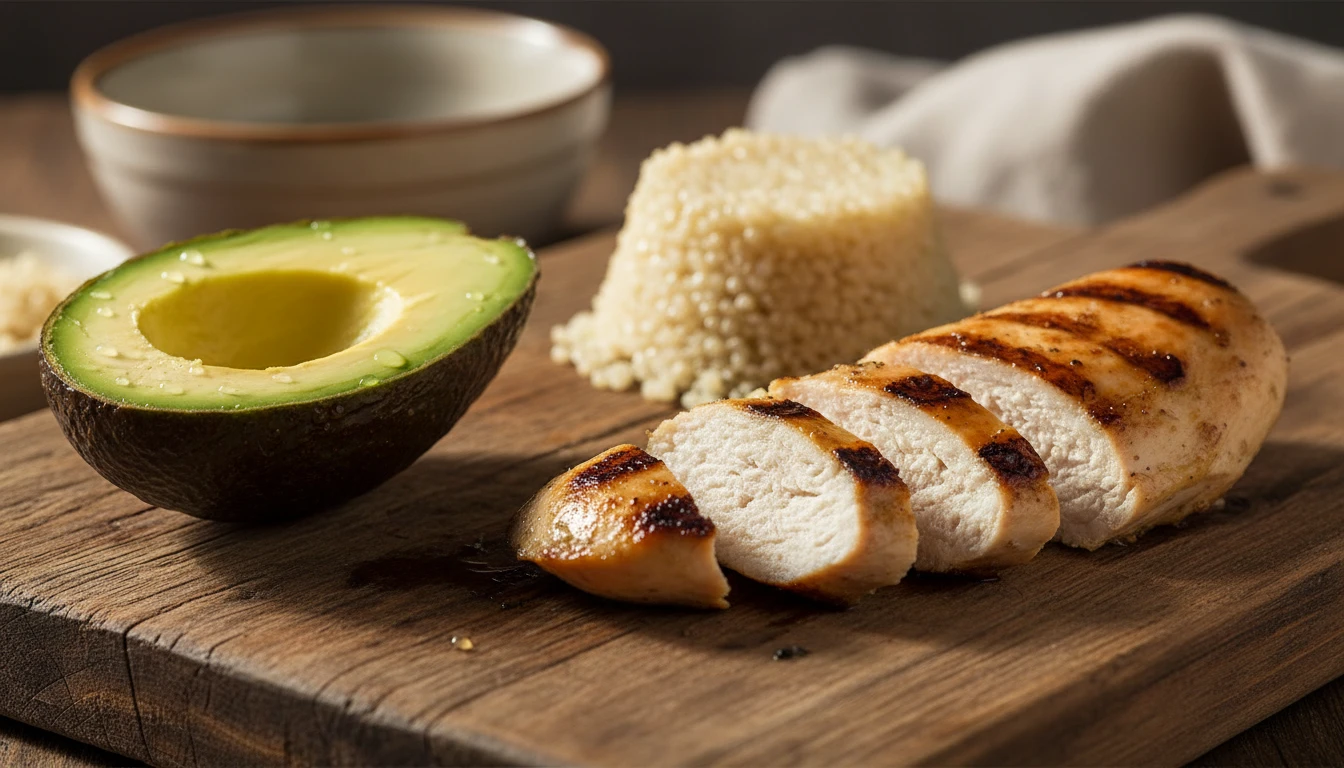
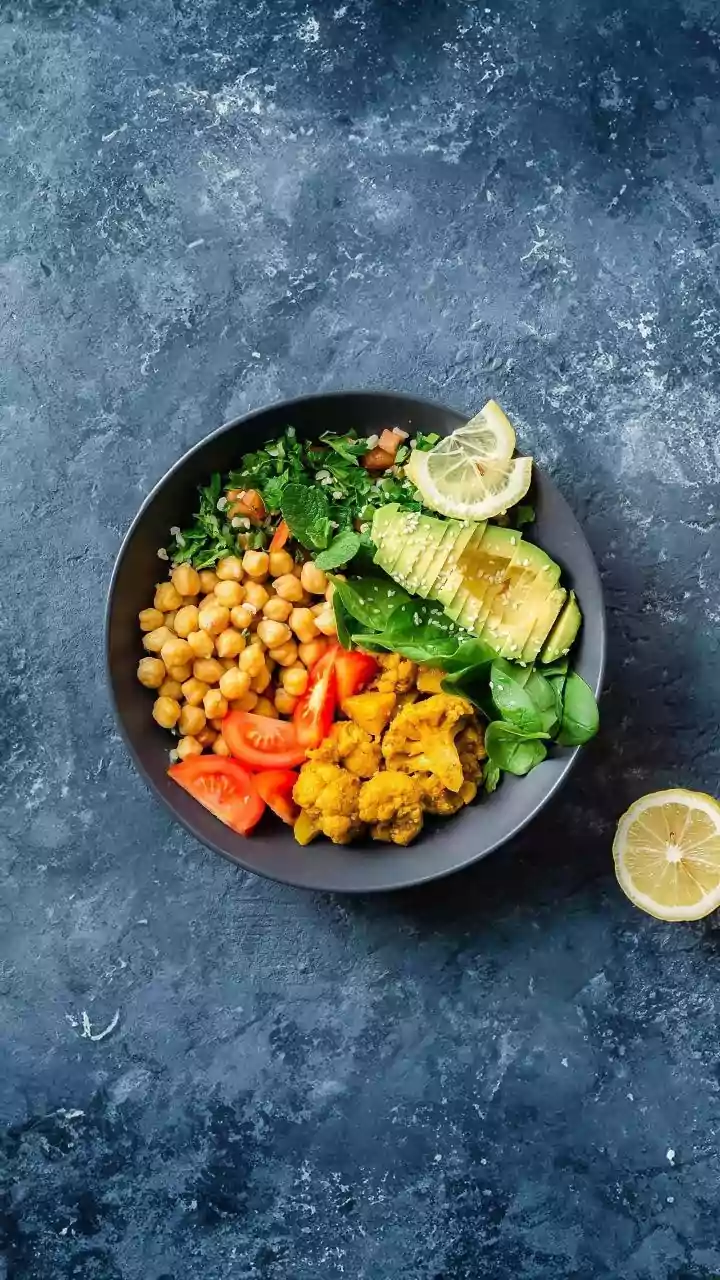
snacking. Your strategy should be built around nutrient-dense foods that power your brain. Focus on lean proteins, healthy fats, and complex carbohydrates like whole grains. Planning is your greatest ally. Pack your lunch to avoid the temptation of less healthy takeaway options. To combat stress-induced cravings, especially in the afternoon, have smart snacks on hand. Swap out sugary biscuits for options like nuts, fruits, or Greek yogurt to prevent energy crashes and maintain productivity.
Mastering the Workday Menu
A successful workday diet is about preparation and smart choices. Start the day with a balanced breakfast to fuel your morning. Throughout the day, stay hydrated by keeping a water bottle at your desk; sometimes thirst is mistaken for hunger. If you do eat out for lunch, make healthier choices by opting for salads, grilled over fried foods, and requesting dressings on the side. For those working from home, a structured meal schedule can prevent the constant grazing that a nearby kitchen invites. It’s also crucial to manage stress, a common trigger for eating. When stress levels rise, our bodies can produce more cortisol, a hormone that may increase appetite. Instead of reaching for a snack, consider a short walk or a few minutes of stretching.
Navigating the Weekend Shift
Weekends bring a welcome change of pace, but they can also derail healthy habits. Social gatherings, brunches, and a more relaxed attitude often lead to increased consumption of calories, fat, and alcohol. Studies have shown that many people consistently eat more on weekends, which can contribute to weight gain over time. The key is not to view the weekend as a free-for-all, but to find a sustainable balance. The “all-or-nothing” approach, where strict weekday dieting is followed by weekend indulgence, can be counterproductive. Instead, practice mindful enjoyment. Allow yourself treats but pay attention to portion sizes. If you know you have a big dinner planned, opt for a lighter lunch.
Smarter Weekend Strategies
A successful weekend strategy doesn't mean giving up your favourite foods. It’s about being intentional. A helpful guideline can be the 80/20 rule, where you focus on eating healthy 80% of the time and allow for more flexibility with the remaining 20%. This can help prevent the cycle of restriction and binging. Also, be mindful of alcohol consumption, which not only adds empty calories but can disrupt sleep and increase hunger the next day. Try to stay active. A weekend hike or bike ride is a great way to balance out a more indulgent meal. By maintaining some structure and making conscious choices, you can enjoy your weekend without undoing your weekday efforts.
Eating on the Move
Travel days present a unique set of nutritional challenges: limited healthy options, irregular schedules, and the temptation of convenient but unhealthy airport or service station food. The best defence is a good offence: be prepared. Packing your own snacks is the most effective way to stay on track. Think portable, non-perishable items that are rich in protein and fibre to keep you feeling full. Good options include nuts, seeds, protein bars, dried fruit, and whole-grain crackers. Bringing an empty reusable water bottle to fill after security is also a great way to stay hydrated and save money. When you're on the road, try to stick to a regular eating schedule as much as possible to avoid excessive grazing.