








An End to the Old Romance?
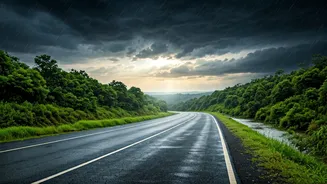
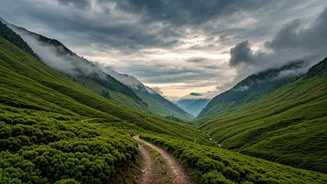
For generations, monsoon travel in India was an act of faith. It meant embracing the downpour, navigating misty roads with a sense of adventure, and accepting that nature was in charge. A trip to Lonavala, Munnar, or Coorg was planned on a whim, driven
by the desire to see the landscape washed clean and green. The unpredictability was part of the charm. But this charm is being challenged by a harsher reality. Climate change has made weather patterns more extreme and erratic. A gentle drizzle can escalate into a torrential downpour, leading to flash floods, landslides, and road blockages that can turn a scenic getaway into a genuine emergency. The news is filled with stories of tourists stranded in places like Himachal Pradesh or Uttarakhand, a stark reminder that the modern monsoon can be as perilous as it is beautiful.
The Rise of the Weather-Savvy Traveller
Enter the analytical traveller. This new breed of explorer doesn't leave things to chance. Their primary tool is no longer a gut feeling but a smartphone loaded with sophisticated weather-forecasting applications. Apps from the India Meteorological Department (IMD) like Mausam and Umang, alongside private players like Skymet and AccuWeather, have become essential travel companions. These aren't just for checking if it will rain tomorrow. They offer hyperlocal, short-term forecasts, Doppler radar imagery showing cloud movement in real-time, and lightning alerts. Travellers are now checking hourly precipitation charts before planning a trek and monitoring wind speed before booking a stay in a coastal resort. This granular level of information empowers them to make informed decisions, choosing not just a destination, but the specific days and even hours to be outdoors.
Data Beyond the Rain Clouds
The analytical approach extends far beyond weather prediction. It's about a holistic assessment of risk and opportunity. Social media platforms like Instagram and X (formerly Twitter) have become crowdsourced intelligence networks. Before booking, travellers search for recent geotagged posts to see the actual, on-ground conditions of a place. Is the waterfall overcrowded? Are the roads motorable? Are local businesses even open? Travel forums and community groups on WhatsApp and Facebook provide real-time updates from fellow travellers, offering advice that is more current than any guidebook. This is complemented by an analysis of travel logistics. Dynamic pricing algorithms on booking websites are scrutinised to find the sweet spot for booking flights and hotels. Travellers are learning to read the data, understanding that a sudden drop in price might signal low demand due to poor weather forecasts.
A Smarter Travel Ecosystem
The entire tourism ecosystem is adapting to this shift. State governments and disaster management authorities are issuing more frequent and specific advisories, using social media and SMS alerts to reach tourists directly. Hotels and homestays in monsoon-prone areas are also getting smarter. They highlight their property’s safety features, offer flexible cancellation policies, and create curated “indoor” experiences for rainy days. Tour operators are designing itineraries that have built-in buffer days and alternative plans. This move towards a more data-informed and responsive system benefits everyone. It makes travel safer for tourists and creates a more sustainable and resilient tourism industry that can function effectively even during the most challenging season. The result is a more conscious, prepared, and ultimately, a more relaxed traveller.