


The End of the Quinoa Craze?
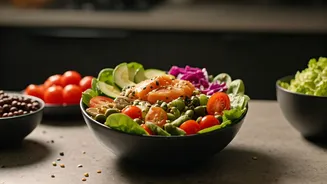
Remember when quinoa was on every cafe menu? The South American grain was hailed as a complete protein, a must-have for the health-conscious. While its benefits are real, its price tag and carbon footprint are equally significant. For many, it represented
a disconnect — embracing a foreign health food while overlooking the nutritional goldmines in our own country. This realisation has sparked a powerful shift back to our roots. Why import a 'superfood' when we have equally potent, more affordable, and culturally familiar options right here? The trend is clear: Indians are looking inward, celebrating the wisdom embedded in our traditional diets and finding that the best ingredients are often the ones our grandmothers always championed.
1. Amaranth (Rajgira): The Local Powerhouse
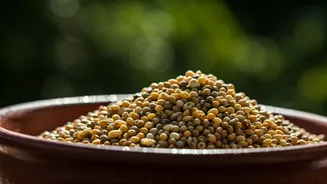
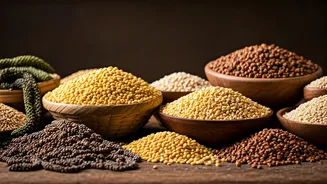
Move over, quinoa. Meet amaranth, or 'rajgira' as it’s known across India. This ancient pseudo-cereal has been a staple in our country for centuries, often used in fasting recipes and porridges. Like quinoa, it's a complete protein, meaning it contains all nine essential amino acids. But it doesn't stop there. Amaranth is packed with calcium (more than milk per serving), iron, magnesium, and fibre. It’s naturally gluten-free and has a lovely, nutty flavour that works well in everything from laddoos and chikkis to modern-day breakfast bowls and salads. Best of all? It’s grown locally, is significantly cheaper than quinoa, and supports Indian farmers. It’s the perfect example of a sustainable, accessible, and nutritionally superior alternative.
2. Moringa (Drumstick Leaves): India’s Answer to Kale
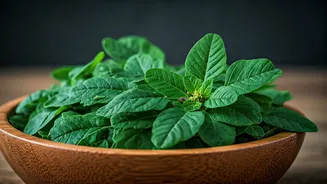
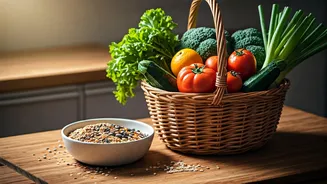
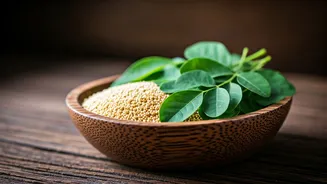
For a while, kale was the undisputed king of greens. But its bitter taste and high price made it a tough sell for many. Enter moringa. The leaves of the humble drumstick tree, a common sight in Indian backyards, are a true nutritional marvel. Often called a 'miracle tree', moringa leaves contain staggering amounts of vitamins A and C, calcium, potassium, and protein. While kale is a healthy choice, moringa surpasses it in many categories, offering a more complete nutritional profile. It's also far more versatile in Indian cooking, easily blended into dals, sabzis, soups, and even rotis without overpowering the dish. From powders to fresh leaves, moringa is reclaiming its rightful place as India’s go-to green superfood.
3. Ragi (Finger Millet): The Resilient Grain
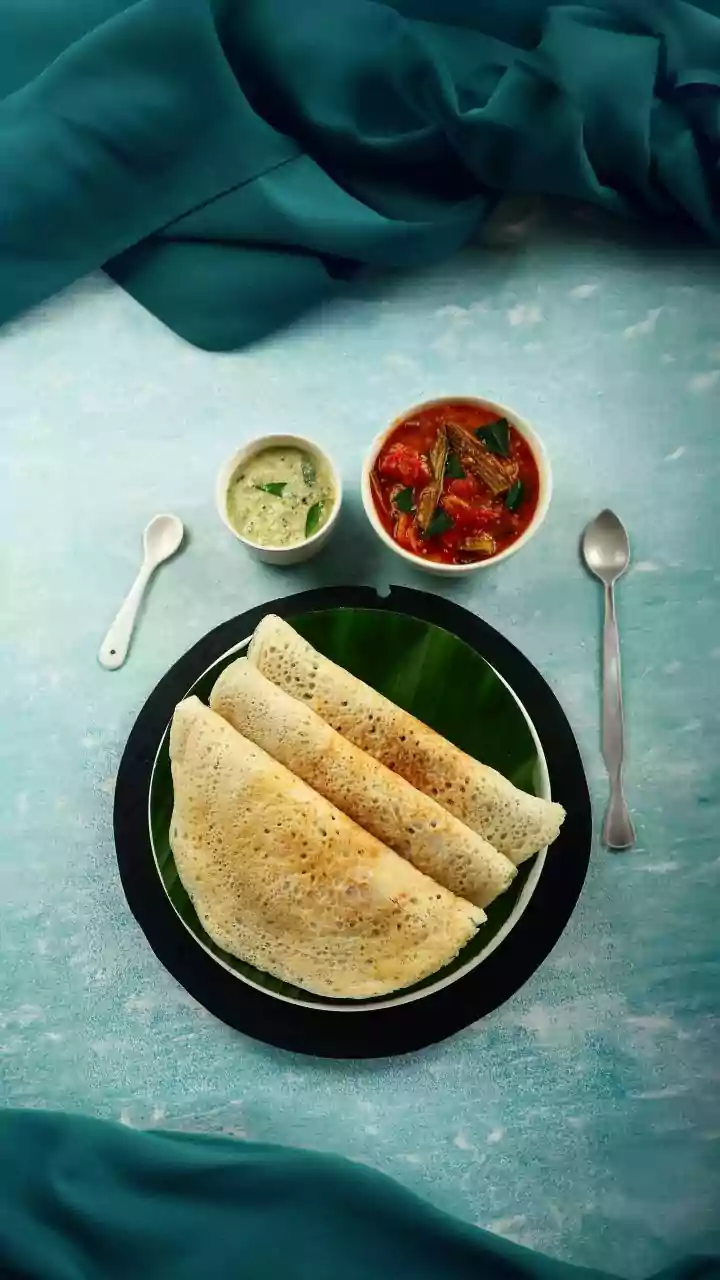
Before wheat and rice dominated our plates, millets like ragi were the cornerstone of the Indian diet. This resilient, drought-resistant grain is making a major comeback, and for good reason. Ragi is a phenomenal source of calcium, making it excellent for bone health. Its high fibre content helps in managing blood sugar levels and promotes a feeling of fullness, aiding in weight management. It's a fantastic gluten-free alternative used to make everything from rotis and dosas to porridge and even healthy cakes and cookies. As consumers look for smarter carbohydrates and more sustainable grains, ragi stands out as a traditional food perfectly suited for modern health goals.
4. Turmeric (Haldi): The Original Golden Spice
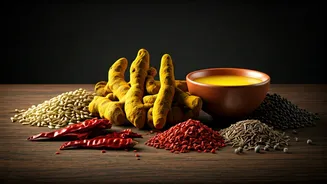
While the West was discovering 'golden lattes', we in India just smiled and thought, 'Haldi doodh, anyone?'. Turmeric is perhaps the most famous Indian superfood, deeply woven into our food and medicine for millennia. Its active compound, curcumin, is a powerful anti-inflammatory and antioxidant. The global wellness industry may have recently packaged it into expensive capsules and trendy drinks, but its true value lies in its daily use in our cooking. A pinch in our dal, sabzi, or a warm glass of milk provides consistent, gentle benefits. This trend isn’t about discovering turmeric; it’s about appreciating its profound, everyday power and rejecting the notion that wellness needs to be imported or complicated.