






The Foundation: Perfect Pots and Soil
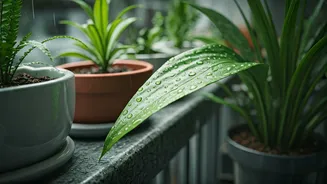
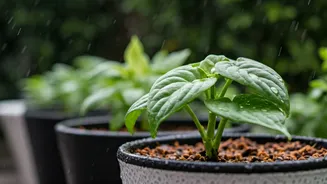
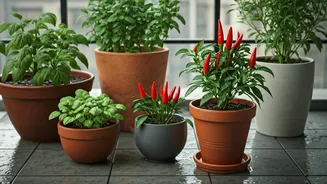
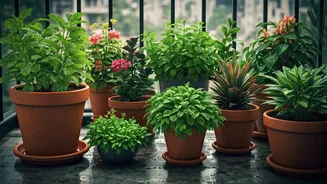
Success in monsoon gardening starts with the right foundation. The biggest enemy during this season is not a lack of water, but an excess of it. Ensure every pot has at least one, if not multiple, drainage holes at the bottom to prevent waterlogging,
which can lead to root rot. To further improve drainage, you can elevate your pots on bricks or stands. Your soil mix is just as critical. Heavy garden soil can become compacted and swampy. Instead, opt for a light, porous potting mix. A reliable formula for Indian conditions is a blend of garden soil, compost (like vermicompost), and a material that enhances drainage such as cocopeat, sand, or perlite. A good ratio to follow is 40% soil or cocopeat, 30% compost, and 30% sand or perlite. This mixture ensures that while the soil retains enough moisture, any excess water drains away freely.
Monsoon-Loving Plants for Your Balcony
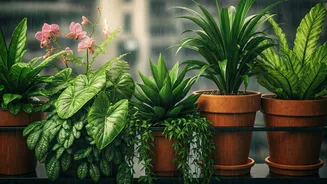
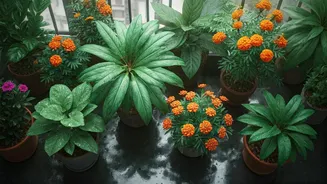
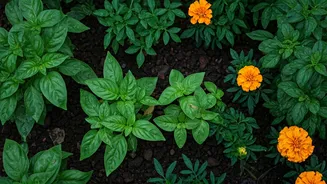
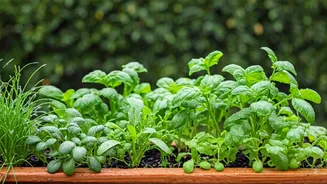
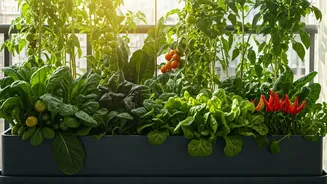
Choosing the right plants is key to a thriving monsoon garden. Many species flourish in the high humidity and regular watering this season provides. For vibrant colours, consider flowering plants like hibiscus, balsam, marigold, and bougainvillea, which are hardy and bloom profusely in the rains. Rain lilies are particularly magical, as they often bloom right after a shower. For fragrant evenings, jasmine (mogra) is an excellent choice, as its scent intensifies in the humid air. If you prefer lush foliage, humidity-loving plants like monstera, areca palm, and various ferns are perfect additions. The monsoon is also a fantastic time to grow your own edibles. Herbs like mint and coriander grow rapidly. You can also sow seeds for vegetables like okra (bhindi), cucumber, spinach, and chillies, which do well in the moist conditions.
Watering: Less Is More
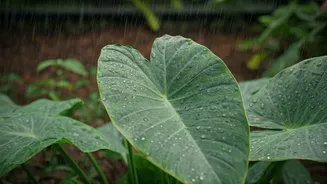
It might seem counterintuitive, but overwatering is a major risk during the monsoon. The rain will do most of the work for you. Always check the soil before you water; insert your finger about an inch deep. If the soil feels moist, there's no need to add more water. For plants that are sensitive to too much water, like succulents, it's best to move them to a sheltered spot on your balcony where they won't be drenched by every downpour. Proper watering management prevents root decay and keeps your plants healthy.
Managing Pests and Diseases
The damp and humid weather is an ideal breeding ground for pests and fungal diseases. Fungi can cause issues like powdery mildew and leaf spot. Regularly inspect your plants, especially the undersides of leaves, for common pests like aphids, mealybugs, and whiteflies. Good air circulation is crucial, so avoid overcrowding your pots and consider light pruning to open up the plants. For pest control, a simple spray of neem oil solution is an effective organic option. To prevent fungal infections, you can use a natural fungicide like a weak solution of cinnamon powder in water. Also, ensure you clear any stagnant water from pot trays to prevent mosquitoes from breeding.
Support and Shelter from the Elements
Monsoon showers are often accompanied by strong winds that can damage plants, especially tall or slender ones. Provide support by staking taller plants to prevent their stems from breaking. If your balcony is exposed to very heavy downpours, you might need to provide some form of temporary shelter, like a rain shield or by moving delicate pots closer to the wall. This not only protects them from the physical force of the rain but also prevents soil from eroding out of the pots. A layer of mulch, such as dry leaves, can also help protect the topsoil.