



Hoh Rainforest, Washington: An Emerald Cathedral
Forget what you think you know about national parks in the summer. The real magic in Washington's Olympic National Park happens during the damp, drizzly months. The Hoh Rainforest, one of the few temperate rainforests in the U.S., receives an average
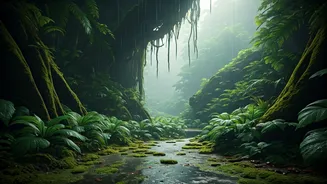
of 140 inches of rain a year, and it wears it beautifully. This isn’t a place you visit despite the rain; you visit it *for* the rain. The constant moisture sustains an ecosystem that feels utterly prehistoric. Towering Sitka spruce and Western hemlock trees are draped in thick coats of clubmoss and spike moss, creating a silent, green cathedral. The famous Hall of Mosses trail becomes a sensory experience, with the soft patter of rain on giant maple leaves and the earthy scent of petrichor rising from the forest floor. It’s quiet, contemplative, and overwhelmingly green in a way that sun-drenched landscapes can never be.
Isle of Skye, Scotland: Where Mist Shapes Legends
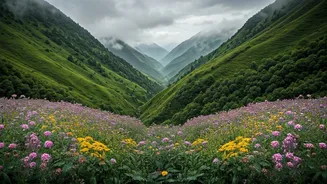
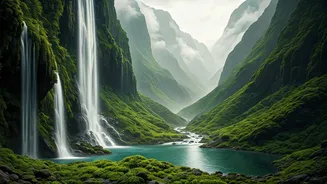
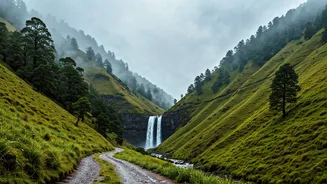
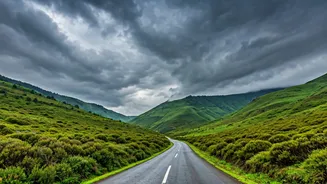
If you go to the Scottish Highlands expecting clear blue skies, you've missed the point entirely. The Isle of Skye’s rugged beauty is sculpted and defined by its famously moody weather. Rain and mist are not an interruption to the scenery; they *are* the scenery. When a low-hanging cloud rolls over the jagged peaks of the Quiraing or shrouds the Old Man of Storr in a grey veil, the island’s mythic quality comes alive. Waterfalls that are mere trickles in dry weather become roaring torrents. The magical Faerie Pools transform into a dramatic series of cascades. Driving through the glens as rain streaks your windshield, catching glimpses of ancient castles and windswept coastlines, you feel less like a tourist and more like a character in a Celtic saga. The rain washes the landscape in deep, saturated colors, making the green hills greener and the dark lochs more mysterious. It’s a destination that rewards you for embracing the gloom.
Monteverde, Costa Rica: The Lively Green Season
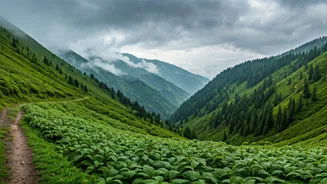
In Costa Rica, they don’t call it the rainy season; they call it the green season. From May to November, the country's cloud forests, especially around Monteverde, enter their most vibrant phase. Forget the idea of a week-long washout. Typically, the weather pattern brings bright, clear mornings perfect for exploring, followed by dramatic afternoon downpours that nourish the ecosystem. This is when the forest is at its most alive. The rain coaxes out the calls of frogs, the air hums with insects, and the foliage becomes a nearly fluorescent green. Ziplining through the canopy takes on a new thrill as you fly through misty clouds. Hiking the hanging bridges offers a top-down view of a world dripping with life. It’s also the low season for tourists, meaning you’ll have this lush paradise more to yourself, with lower prices to boot. The sound of a tropical rainstorm hammering on the roof of your eco-lodge at night is a travel memory in itself.
Kerala, India: The Celebrated Monsoon
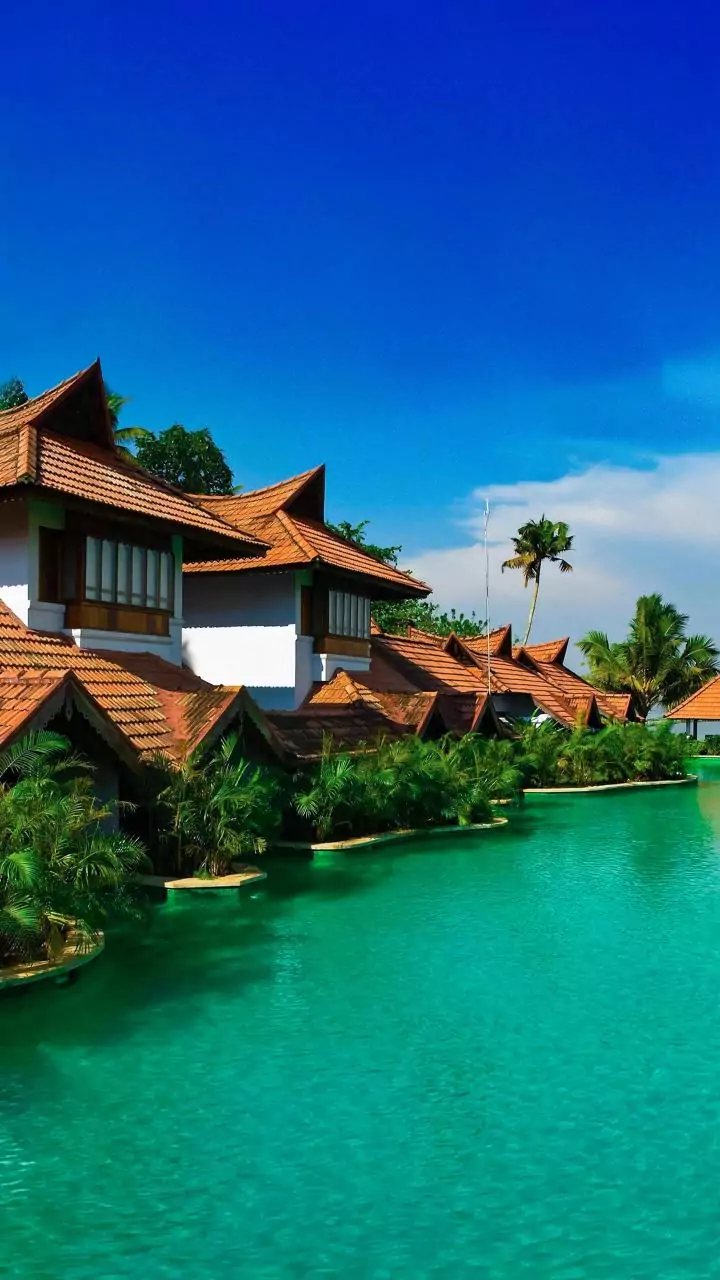
While many parts of the world hide from the monsoon, in Kerala—known as “God's Own Country”—it's a cause for celebration. The arrival of the southwest monsoon in June is a culturally significant event that replenishes the region’s famous backwaters, tea plantations, and spice gardens. The landscape, parched from the dry season, erupts into a thousand shades of green. For centuries, this has also been considered the best time for Ayurvedic treatments, as the moist, cool, dust-free air is believed to help the body absorb the herbal oils and therapies. Imagine floating on a traditional houseboat through serene backwaters as rain dances on the water’s surface, or sipping fragrant chai on a veranda overlooking a misty tea plantation. The monsoon in Kerala isn't just weather; it's an atmosphere, a rhythm, and a deeply rejuvenating experience that connects you to the natural cycle of renewal.