





Best Time to Go for Budget and Adventure
Timing your trip is key for the best experience. The ideal seasons for river rafting in Rishikesh are from late September to November and from March to mid-June. During these periods, the weather is pleasant and the river conditions are perfect for rafting.
The monsoon season, from July to early September, is when rafting is closed due to high water levels. For budget travellers, the shoulder months of September, October, and March can offer lower prices on accommodation before the peak season rush. Winter (December to February) is also an option, and while the water is cold, operators provide wetsuits.
Choosing Your Rafting Adventure: Stretches and Costs
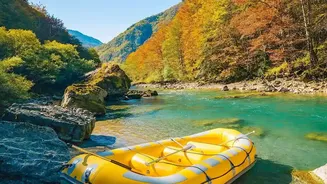
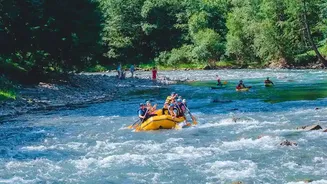
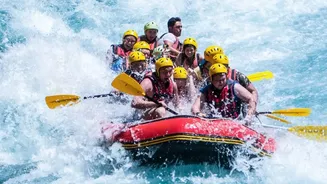
Rishikesh offers several rafting stretches, each with varying difficulty levels and costs, making it accessible for everyone. For beginners, the Brahmpuri to Rishikesh stretch is the most recommended. It’s a 9 km route with Grade I-II rapids, costing around ₹600 per person. It's a gentle introduction to the sport, perfect for families and those a bit nervous about the water. The most popular choice for first-timers looking for more of a thrill is the 16 km stretch from Shivpuri to Rishikesh. This route features Grade II and III rapids like Roller Coaster and Golf Course and costs about ₹1,000 per person. More adventurous beginners might consider the Marine Drive to Rishikesh stretch (24-26 km), which includes Grade III and IV rapids for around ₹1,500. These prices generally include transport to the starting point, a certified guide, and all necessary safety equipment.
Finding a Safe and Reputable Operator
Safety should be your top priority. Always choose a government-registered rafting operator. Reputable companies employ certified guides trained in first aid and river rescue, provide high-quality safety gear like helmets and life jackets, and often have a safety kayaker accompanying the raft. While it might be tempting to go with the cheapest option you find on the street, compromising on safety isn't worth the risk. Look for companies with good reviews and a professional setup. Don't hesitate to ask about their safety procedures and guide certifications before booking.
Dressing for the Rapids: What to Wear
What you wear can significantly impact your comfort and safety. The golden rule is to avoid cotton, as it absorbs water and makes you cold. Opt for quick-drying synthetic clothing like a T-shirt or rash guard and shorts or leggings. For footwear, choose secure water shoes or sandals with straps; flip-flops are a definite no as they will get lost in the river. In the colder months (October to February), most operators will provide a wetsuit to keep you warm. A pair of sunglasses with a retainer strap is also a good idea to protect your eyes from the sun and glare.
Budget-Friendly Stays and Food
Rishikesh is packed with budget-friendly accommodation. Hostels are a fantastic option for solo travellers and groups, with dorm beds available at very low prices. Areas like Tapovan and near Laxman Jhula have a high concentration of guesthouses and hostels. For food, skip the fancy tourist restaurants and head to the local dhabas and small cafes. You can get a hearty and delicious thali (a platter with multiple dishes) for a very reasonable price. Street food staples like Aloo Puri, Chole Bhature, and Samosas are not only cheap but also a delicious way to experience the local flavours.
Beyond the Raft: Other Budget Activities
Your adventure doesn't have to end with rafting. Rishikesh offers plenty of low-cost activities. Witness the mesmerizing Ganga Aarti at Triveni Ghat or Parmarth Niketan in the evenings, a spiritual ceremony that is free to attend. You can go on short hikes to nearby waterfalls like Neer Garh, which has a small entry fee. Exploring the iconic Laxman Jhula and Ram Jhula bridges, visiting the numerous temples, or simply sitting by the ghats and soaking in the atmosphere costs nothing but your time.