




For millions of Indian train travellers, getting a berth near the coach entrance feels like losing a lottery. The constant traffic, noise, and drafts are all too familiar. But a new design approach could finally bring some much-needed peace.
The Unenviable Berth
Anyone who
travels frequently by train in India knows the hierarchy of berths. While lower berths are prized for their convenience, the side-lower and side-upper berths located next to the coach's main entry and exit doors are often considered the least desirable. Passengers in these spots are subjected to a near-constant stream of disturbances throughout their journey. The doors are perpetually opening and closing, bringing with them bursts of noise from the platform and chilly drafts. People congregate in the entryway, leading to a lack of privacy and a continuous flow of foot traffic right past your head. Add to this the noise from the nearby toilets and the movement of vendors, and a restful night's sleep can seem like an impossible dream. This has been a long-standing issue in many sleeper and AC 3-tier coaches, including on premium trains like the Rajdhani Express.
A Glimpse of a Solution
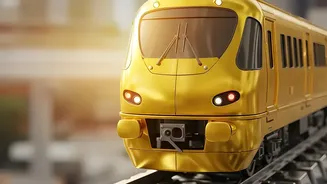
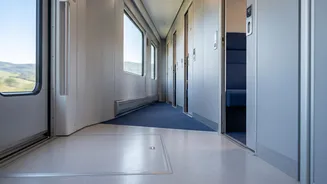
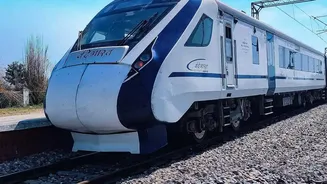
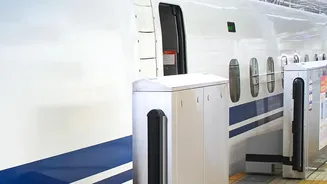
Recent attention has turned to the layout of the new Vande Bharat Sleeper trains, which points to a thoughtful redesign of this troublesome area. A video highlighted by travel content creator Dhananjay Kumar showcased a key difference in the Vande Bharat Sleeper's entrance layout compared to conventional coaches. Instead of having berths placed directly adjacent to the main door area, the new design incorporates an automatic sliding door that sections off the passenger corridor from the vestibule. This creates a small but significant buffer zone. The space and the sliding door work together to insulate the nearest berths from the main sources of disturbance, a simple yet effective architectural solution to a decades-old problem.
How the New Design Tackles Old Problems
The potential improvements offered by this new layout directly address the primary complaints of passengers. The most immediate benefit is noise reduction. The automatic sliding door creates a barrier that muffles the loud sounds of the train moving between carriages and the chatter of people waiting near the exit. It also helps contain light, preventing the sleeping area from being flooded with brightness every time the main exit door is opened at a station. Furthermore, this design discourages passengers from loitering in the narrow corridor right next to the berths, enhancing privacy for those occupying the side-lower and side-upper seats. By physically separating the sleeping bay from the high-traffic entrance and toilet area, the design promises a more tranquil and isolated environment, allowing passengers to rest with fewer interruptions.
Wider Comfort_Focused Innovations
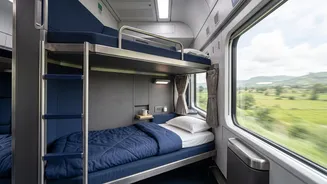
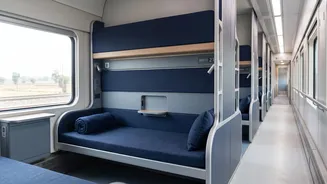
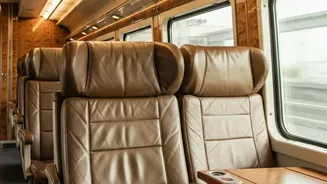
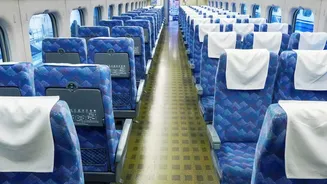
This entrance redesign is part of a broader push by Indian Railways to enhance passenger comfort across its newer coaches. The Vande Bharat Sleeper trains, for example, feature a host of upgrades aimed at creating a better travel experience. These include ergonomically designed berths, improved suspension for a smoother ride, and enhanced noise_reduction measures throughout the coach. Other innovations that have been trialled in recent years include a foldable add_on for side_lower berths, which creates a flat, continuous surface by covering the uncomfortable gap left when the two seats are converted into a bed. Additionally, designers are focusing on features like better ladders for accessing upper berths, which are intended to make the climb safer and easier for all passengers, including the elderly.
The Road Ahead for Travellers
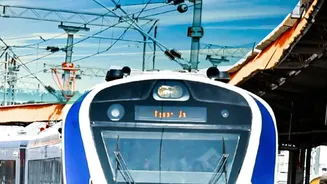
The first Vande Bharat Sleeper service has already begun operations, giving passengers a firsthand look at these new layouts. While the design seen in these trains has drawn positive reactions for its practical approach to solving a common grievance, its widespread implementation will take time. Indian Railways operates a vast network with thousands of coaches, and upgrading or replacing them is a gradual process. The new Vande Bharat Sleeper rakes represent the future of long_distance train travel in India, but it will be some time before features like the separated entrance area become standard across all train classes and routes. For now, it serves as a promising blueprint for what could become a new standard in passenger_centric design, moving from a concept to a reality that passengers can finally experience.