





The Old Creative Bottleneck
Traditionally, creative professionals outside major metropolitan hubs like Mumbai or Bengaluru faced significant hurdles. A client request for a campaign featuring a model in a fantasy landscape or a product in a high-end studio setting meant sourcing
photographers, models, locations, and stylists. This process was not only expensive but also logistically complex and time-consuming, effectively locking out smaller players from high-budget projects. Freelancers and small agencies in regional areas often had to stick to simpler graphic design work, unable to compete with the resources of their big-city counterparts. This created a clear divide in India's creative economy, concentrating the most ambitious and lucrative work in just a handful of urban centres.
AI as the Great Leveller
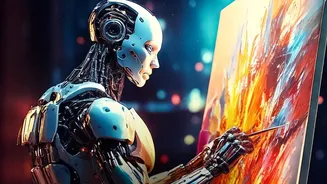
Enter generative AI tools like Midjourney, DALL-E, and Adobe Firefly. These platforms create detailed, high-quality images from simple text descriptions or 'prompts'. Suddenly, a creator in any part of the country can generate a photorealistic image of a 'futuristic electric car on a rainy street in a neon-lit Tokyo' without leaving their desk. This technology acts as a powerful democratizing force. It provides access to virtually unlimited visual styles and concepts that were previously the domain of large production houses. For regional creators, this means the ability to think bigger, moving beyond their immediate physical resources to pitch and execute ideas that are visually rich and conceptually complex.
From Weeks to Hours: The Speed Advantage
The most significant impact of AI image generators is the dramatic acceleration of the creative workflow. Brainstorming and mood boarding, which used to involve hours of searching stock photo libraries, can now be done in minutes by generating dozens of visual concepts. A process that once took a team several days can now be handled by a single creator before lunch. For example, a corporate gifting business in Ahmedabad replaced its manual design mockups with an AI tool that generates client-ready visuals in seconds during live meetings. This speed is a game-changer for client relations. Creators can offer incredibly fast turnaround times, iterating on feedback almost instantly and moving from concept to final asset at a pace that traditional methods cannot match.
Winning More Complex Client Work
Armed with these tools, regional freelancers are no longer just service providers; they are becoming strategic creative partners. They can now confidently pitch for campaigns that require cinematic scenes, stylised product shots, or even virtual influencers without the prohibitive costs of physical production. Brands like Baskin Robbins and Zomato have already used AI-generated imagery in their marketing campaigns, signalling a growing acceptance of this technology. This shift allows a solo creator to produce a full suite of campaign assets — from social media posts of various sizes to website banners — with a consistent visual identity, a task that once required a small team. By lowering the barrier to entry for high-quality visual production, AI enables freelancers to expand their service offerings and compete for a larger slice of the advertising pie.
Navigating the New Frontier
Despite the immense opportunities, the path is not without its challenges. The legal landscape around AI-generated content in India is still murky. Under the Copyright Act, 1957, authorship is tied to a human creator, leaving the ownership of purely AI-generated work in a grey area. This creates uncertainty for both creators and their clients. Furthermore, there is a growing need for 'prompt engineering' skills — the ability to write detailed instructions for the AI to get the desired output. Relying too heavily on AI without human oversight can also lead to generic visuals that lack a unique artistic voice. Successful creators are those who use AI as a powerful assistant, a tool to augment their own creativity, rather than a replacement for it. They refine, edit, and add their unique human insight to the AI's output before it ever reaches the client.