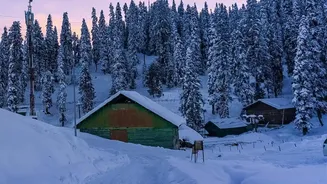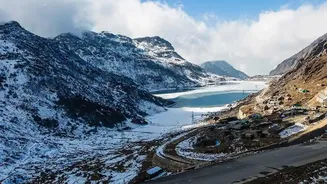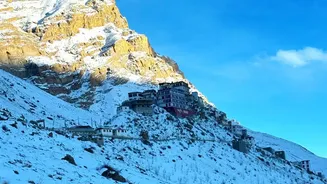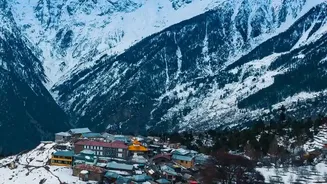




When picturing a Kashmir winter, most imagine Gulmarg's snowy slopes. But the valley offers much more for those willing to explore. This guide delves into planning a winter trip beyond the usual, focusing on a critical factor: road accessibility.
Understanding Kashmir's Winter Road Network
Winter
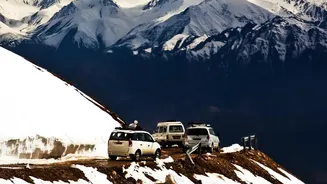
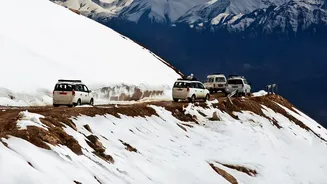
transforms Kashmir's landscape, and with it, its road network. While Gulmarg remains a hub, venturing further requires understanding which routes are open and which are not. The primary challenge is heavy snowfall at high-altitude passes. Key routes like the Mughal Road, connecting Shopian to Poonch, and the Srinagar-Leh Highway via Zoji La Pass, typically close for several months. The road to Gurez Valley over Razdan Pass is another that is often shut from November to April, cutting off the remote region. These closures are not on fixed dates; they depend entirely on weather conditions and official advisories from authorities like the Border Roads Organisation (BRO) and local traffic police. Always assume these major arteries are impassable and plan your itinerary around destinations that remain reliably connected.
Pahalgam: The Accessible Winter Jewel
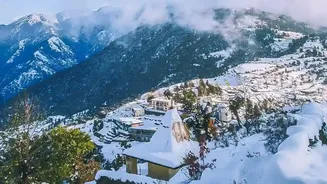
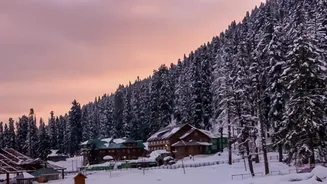
Pahalgam is perhaps the best alternative to Gulmarg for a comprehensive winter experience. Located about 90-96 km from Srinagar, the town itself remains accessible by road throughout the winter. While heavy snow can slow the journey, the route is regularly cleared. The main town, nestled along the Lidder River, offers serene, snow-covered vistas. Local sightseeing, however, has its own set of rules. Betaab Valley is usually open all winter and is a must-visit for its stunning frozen landscapes. Aru Valley, a short drive from Pahalgam, may see temporary closures after heavy snowfall, so its accessibility needs to be confirmed locally. Higher reaches like Chandanwari, the starting point for the Amarnath Yatra, are generally inaccessible from January to March. It's important to note that for trips to Aru and Betaab, you'll need to hire a local union taxi from Pahalgam town.
Sonamarg: The Golden Meadow's Winter Chapter
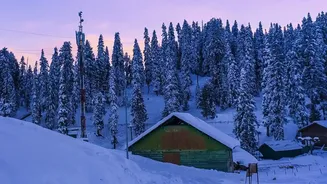
For years, Sonamarg was off the tourist map in winter. However, the opening of the Z-Morh Tunnel in January 2025 has been a game-changer, providing all-weather connectivity to the town itself. This means you can now drive to Sonamarg from Srinagar, a journey of about 2.5 to 3 hours, on most winter days. However, 'all-weather connectivity' doesn't guarantee the road is open every single day; heavy snowfall or avalanche warnings can still lead to temporary closures. Furthermore, access to Sonamarg town does not mean access to high-altitude attractions. The road beyond to Zoji La Pass and Zero Point remains subject to seasonal closure. Trips to the Thajiwas Glacier are also often not possible due to deep snow on the approach paths.
Srinagar as Your Winter Base
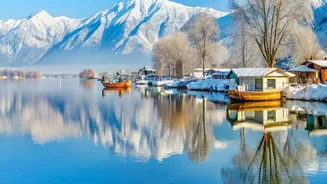
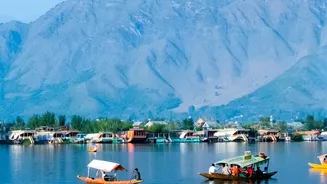
Don't underestimate Srinagar itself as a primary winter destination. With the main highways to the valley generally open, the capital city serves as a perfect, comfortable base. The iconic Dal Lake takes on a quiet, misty beauty, and a Shikara ride in the crisp winter air is a unique experience. Parts of the lake can even freeze in severe cold. The city's Mughal gardens, old city, and vibrant markets remain accessible and are far less crowded than in summer. Using Srinagar as a base allows for flexible day trips to places like Pahalgam or Sonamarg, depending on the daily road status, without committing to overnight stays in potentially hardto reach areas.
Essential Planning and Safety Tips
Flexibility is the most important part of any Kashmir winter itinerary. Road closures can happen with little warning. Always check the daily traffic advisory issued by the J&K Traffic Police before starting your journey. For travel beyond main towns, hiring a local 4x4 vehicle with an experienced driver is highly recommended. These drivers are familiar with treacherous conditions and often have the most current information on road status. Pack in layers: thermal inners, fleece or wool mid-'layers', and a waterproof, windproof outer jacket are essential. Waterproof boots with good grip are non-'negotiable'. Also carry a power bank, as cold weather drains batteries quickly, along with essential medicines and some cash.