

Start at the Source
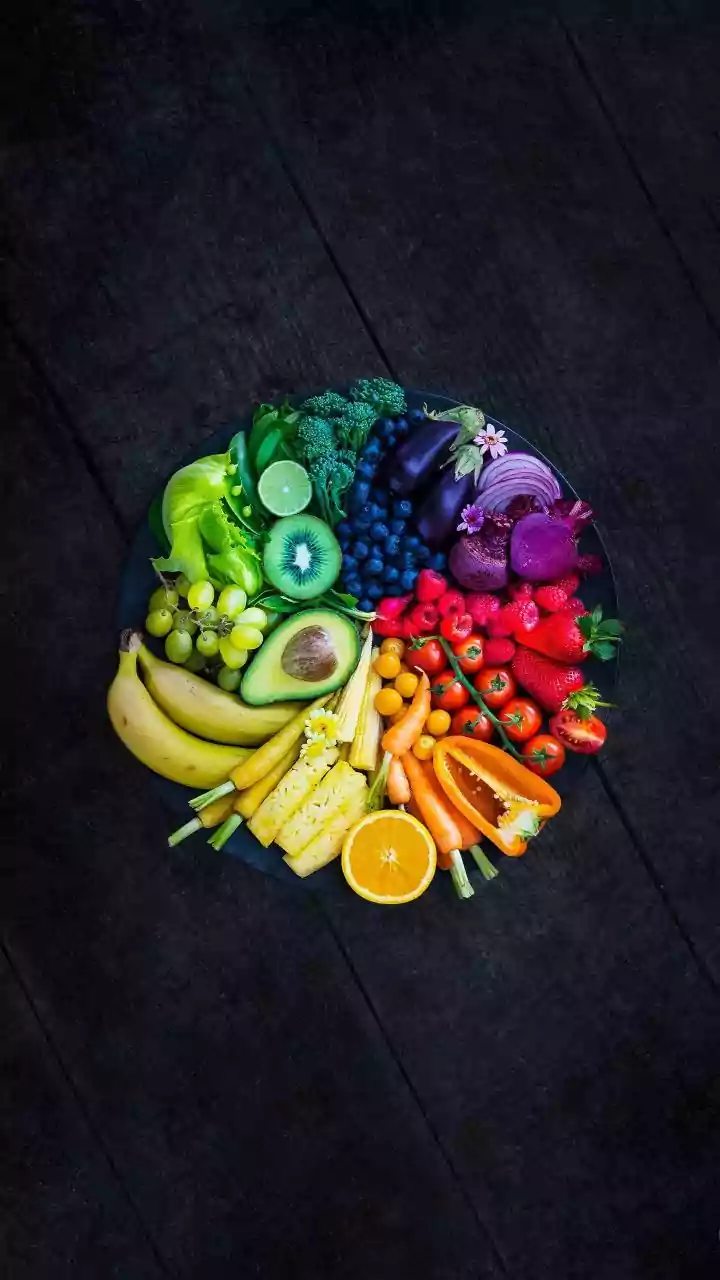
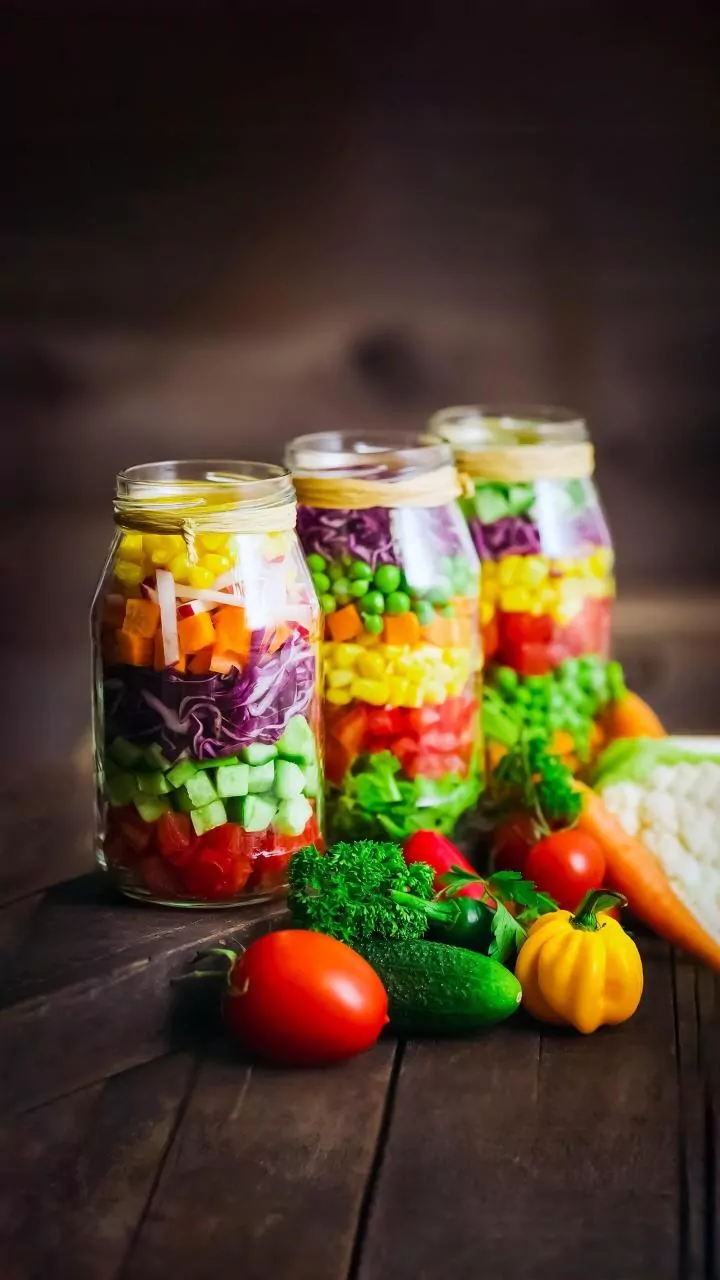
The first step to reducing microplastic exposure begins before food even enters your kitchen. It starts with conscious sourcing. Whenever possible, opt for fresh, unpackaged foods. Choose loose fruits and vegetables from the market over those wrapped
in plastic film or sold in plastic containers. This not only cuts down on plastic waste but also reduces the opportunity for particles to transfer to your food. Bringing your own reusable produce bags is a great habit to adopt. When buying staples, look for items packaged in glass, metal, or cardboard rather than plastic. Studies have also shown that highly processed foods, like chicken nuggets or plant-based burgers, tend to contain more microplastics than their minimally processed counterparts, likely due to the extensive factory equipment and packaging involved. Even seafood, a known source of microplastics, can be chosen carefully; some experts suggest that consuming fish fillets rather than whole shellfish like mussels and oysters (which filter large volumes of water) may lower intake.
Rethink Your Kitchen Storage
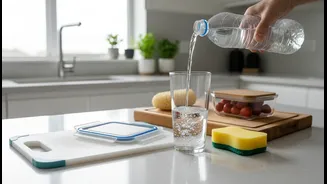
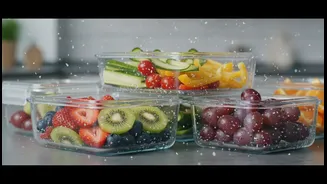
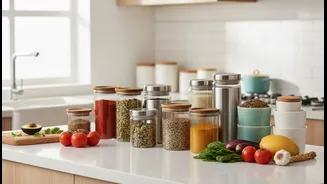
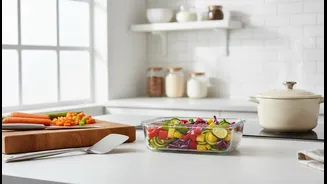
Once your food is home, how you store it makes a huge difference. Plastic containers, especially when heated, scratched, or old, can leach microplastics and nanoplastics directly into your food. The single most impactful change you can make is to phase out plastic for food storage. Instead, invest in containers made of glass, stainless steel, or high-quality, food-grade silicone. These materials are inert, meaning they won't react with your food or release particles. Glass is particularly versatile, as many containers are safe for the freezer, microwave, and oven. For packed lunches, stainless steel bento boxes are a durable, lightweight option. It’s also wise to stop using plastic wrap. As an alternative for covering bowls or wrapping items, consider reusable beeswax wraps, silicone lids, or simply placing food in a container with a proper lid. And be mindful of your kitchen tools; swap plastic cutting boards, which shed particles when cut, for wood or bamboo, and replace plastic spatulas and spoons with stainless steel or wooden versions.
Cook with Contaminants in Mind
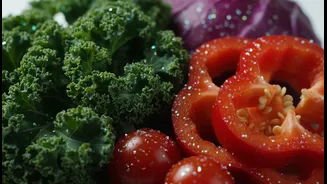
Your cooking and preparation methods can provide a final line of defence. Thoroughly washing fresh produce can help rinse off some surface-level microplastic particles that may have settled from the air or soil. When it comes to water, studies have shown that bottled water can contain significantly more microplastics than tap water. Filtering your tap water can reduce particle counts even further. Some recent research suggests that boiling tap water, particularly hard water, for five minutes and then filtering it (for instance, through a simple coffee filter) can remove a high percentage of microplastics. The boiling process causes minerals to trap the plastic particles, which can then be filtered out. Avoid microwaving food in plastic containers at all costs, as heat dramatically accelerates the release of particles. If you must use a microwave, always transfer food to a glass or ceramic dish first. Lastly, be wary of non-stick pans with scratched surfaces, which may release plastic particles; well-maintained cast iron, stainless steel, or ceramic cookware are safer alternatives.