






What is an AI Voice?
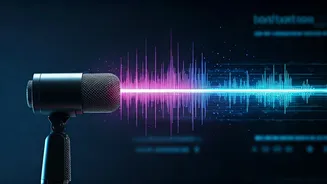
At its core, an AI voice is a synthetic model of human speech generated by artificial intelligence. This isn't the robotic, choppy text-to-speech (TTS) of the past. Modern systems use deep learning and neural networks to analyze vast amounts of audio
data, learning the intricate nuances of human speech—like pitch, tone, and rhythm. The technology has evolved into two main types: generative TTS, which creates realistic speech from any text input, and voice cloning, which can create a digital replica of a specific person's voice from just a few seconds of audio. Companies like ElevenLabs and OpenAI have developed models that can produce highly expressive and emotional speech in dozens of languages, making the technology accessible to creators and businesses alike.
The New Creative Toolkit
For content creators, this technology is a game-changer. Podcasters can clone their own voice to fix errors or generate new content without re-recording. YouTubers can create multilingual dubs of their videos in their own voice, reaching a global audience effortlessly. Authors are turning their books into audiobooks without booking expensive studio time, and game developers are populating their virtual worlds with diverse, dynamic characters whose voices are generated by AI. It automates time-consuming tasks and opens up new creative possibilities that were previously too expensive or complex for solo creators and small teams. The result is a significant boost in workflow efficiency and the ability to produce high-quality audio content at scale.
Beyond Entertainment and Media
The applications of AI voice extend far beyond creative industries. In business, workflows are being streamlined as spoken ideas are instantly converted into structured notes, tasks, and summaries, reducing the friction between thinking and doing. Customer service is being transformed by AI voice agents that can handle complex queries with a natural, conversational flow, escalating to a human only when necessary. This technology is also a powerful accessibility tool, giving a voice to those who cannot speak and providing audio versions of written content for the visually impaired. In healthcare, generative AI voice agents are being explored for patient check-ins and chronic disease management, offering a scalable way to provide personalized communication.
An Ethical Minefield
The power of this technology brings with it significant ethical challenges. The ability to clone a voice with a small audio sample creates major risks of misuse, from scams and fraud to the creation of deepfake audio for spreading misinformation. Key ethical guidelines center on three principles: consent, transparency, and respect for rights. It is widely considered unethical and potentially illegal to clone someone's voice without their explicit permission, especially for commercial use. As the technology becomes more widespread, there are growing calls for policies that protect the use of individuals' voices and for tech companies to implement safeguards like watermarking to identify AI-generated content. There is also the crucial issue of the impact on human voice actors, whose livelihoods could be threatened by synthetic replacements.