





The September Forecast: A National Deficit
The India Meteorological Department (IMD) has predicted that rainfall for September 2026 is most likely to be below normal, defined as less than 91% of the Long Period Average (LPA). The LPA for September, a crucial month that concludes the four-month
monsoon season, is approximately 167.9 mm. This projection comes after a volatile season, with a significant deficit in June, a recovery in July, and another shortfall in August, which was reportedly the warmest since 1901. The cumulative rainfall from June 1 to August 31 already shows a deficit of around 14%. While the national outlook is subdued, the IMD notes that some areas in Northwest, Northeast, East, and Southeast Peninsular India might still receive normal to above-normal rain, highlighting a complex regional picture rather than a uniform dry spell.
Why the Final Month Matters So Much
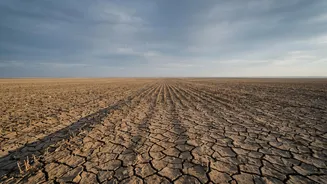
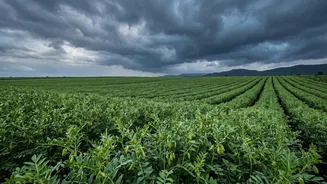
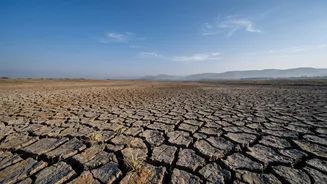
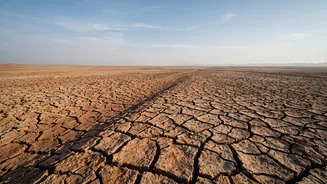
September rainfall plays a dual role that is critical for India's economy and food security. Firstly, it is essential for the final growth stage of standing Kharif (summer) crops like rice, pulses, and oilseeds. For these rainfed crops, moisture during the grain-filling stage is vital for determining the final yield. Secondly, and just as importantly, the 'late monsoon' showers are what top up the country's major reservoirs. These water stores are the lifeline for the upcoming Rabi (winter) crop season, which depends heavily on irrigation. They also provide drinking water for millions in urban and rural areas and are crucial for hydropower generation and industrial use throughout the dry winter and scorching summer months that follow. A poor September can therefore cast a long shadow, affecting water availability well into the next year.
Anxiety in the Fields
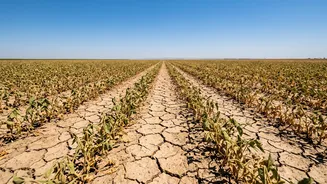
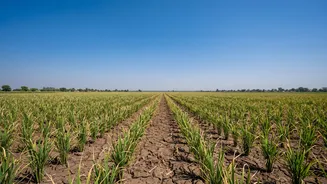
For the agricultural sector, the forecast is a significant concern. Sowing for most Kharif crops is largely complete, but a dry September can still slash yields and increase costs for farmers who must spend more on irrigation to save their standing crops. Paddy (rice) sowing has already seen a decline of over 3% compared to the previous year due to patchy rains in some states. Experts warn that crops like cotton, soybean, maize, and pulses are particularly vulnerable if the final spell of rain fails. This could not only hurt farm incomes and depress rural demand but also exert upward pressure on food inflation, a persistent worry for both the government and households. The strengthening El Niño weather pattern, which is known to suppress monsoon rainfall, is a key factor behind the subdued forecast.
Watching the Water Levels
The focus now shifts to India's network of major reservoirs. While a monsoon revival in late July and parts of August helped replenish water levels from the lows seen in June, storage in many regions remains below the levels recorded last year. As of mid-August, live storage in monitored reservoirs was close to the ten-year average but nearly 20% below the levels of the same period in 2025. Subdued rainfall is expected to continue over Peninsular India in early September, which could increase water stress in a region where reservoir levels are already under pressure. A weak end to the monsoon could mean that states enter the post-monsoon period with a smaller-than-ideal buffer, potentially leading to difficult decisions about water rationing for agriculture, industry, and domestic use in the months ahead.