





The Science of a Deep Freeze
When you freeze food, the water inside it turns into thousands of sharp ice crystals. Through a process called sublimation, these water molecules can escape from the food over time, even while frozen solid. This is what causes freezer burn—essentially,
it's dehydration. This process damages the food's cellular structure, which is why thawed ingredients can sometimes have a mushy or dry texture. The goal, then, is to either prevent that moisture from leaving during cooking or, even better, to reintroduce it.
Strategic Soaking and Brining
One of the most effective ways to restore moisture, especially to lean proteins like chicken breasts or shrimp, is brining. A brine is a simple solution of salt and water. Soaking frozen meat in a brine as it thaws does two things: the salt helps to season the food from the inside out and alters its protein structure, allowing it to absorb and hold onto more water. This results in a much juicier, more flavorful final product. For a quick thaw and brine, a 5% brine solution (about 1/3 cup of kosher salt per 2 quarts of cool water) can work wonders. Just be sure to pat the food completely dry before cooking to ensure a good sear.
Embrace a Moisture-Rich Environment
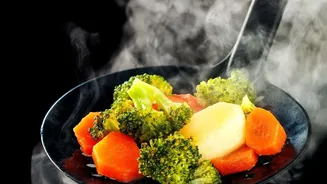
Sometimes, the best way to add moisture is to let the recipe do the heavy lifting. Cooking methods that use liquid or steam are perfect for many frozen ingredients. Think about dropping frozen vegetables like peas, corn, or spinach directly into a simmering soup, stew, or curry. The gentle, moist heat allows them to thaw and cook while absorbing the flavorful liquid around them. Similarly, steaming is a fantastic technique for delicate frozen fish fillets or vegetables. This method cooks the food gently while locking in its natural moisture, preventing it from becoming tough or rubbery.
The Direct-from-Frozen Method
It might seem counterintuitive, but for certain foods, skipping the thaw entirely is the best way to preserve moisture. Thin fish fillets, for example, can be baked, broiled, or pan-seared directly from the freezer. This method cooks the exterior quickly while the inside gently steams, resulting in a tender, flaky finish. The key is to rinse any ice crystals off the surface and pat it very dry first. This technique also works well for many frozen vegetables like broccoli and cauliflower, which can be roasted at a high temperature. The intense heat helps evaporate surface moisture quickly, leading to caramelization rather than sogginess.
Baking with Frozen Berries
Frozen fruits are a baker's best friend, especially in off-seasons. Because freezing breaks down the fruit's cell walls, they tend to release more juice than fresh ones. To prevent a soggy mess, add frozen berries to your muffin or scone batter directly from the freezer. Tossing them in a tablespoon or two of flour before mixing them in helps absorb extra liquid and stops them from sinking to the bottom. For pies, you may need to add a little extra thickener like cornstarch to your filling to account for the increased moisture, ensuring a perfectly set slice.