

The Old Goa vs. The New Green
Traditionally, Goa's tourism calendar was heavily skewed towards November to February, a period of dry, sunny weather perfect for beach parties and water sports. The monsoon months, from June to September, were considered the "off-season," a time when
beach shacks were dismantled and many businesses closed their doors to wait for the sun to return. However, this perception is rapidly changing. An increasing number of travellers are now deliberately choosing the rainy season, drawn by the promise of a different kind of Goa—one that is quieter, greener, and arguably more romantic. State officials have noted the trend, with Goa's tourism minister recently stating that the concept of an "off-season" is fading as tourist arrivals remain steady year-round.
An Itinerary Beyond the Beach
While swimming in the rough monsoon sea is off-limits, a whole new set of activities takes centre stage. The state’s hinterlands come alive, offering experiences that are often overlooked during the peak season. Treks to majestic waterfalls, most notably the Dudhsagar Falls which are at their thunderous best during the rains, become a major attraction. Nature trails and backwater kayaking trips on rivers like the Chapora offer serene views of the vibrant green mangroves and paddy fields. Heritage walks through the rain-washed lanes of Panjim's Fontainhas Latin Quarter, with its colourful Portuguese-era houses, become a photographer's dream. The focus shifts from the coast to the countryside, revealing Goa's rich culture and natural biodiversity.
The Allure of a Quieter, Greener Vibe
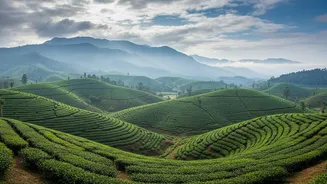
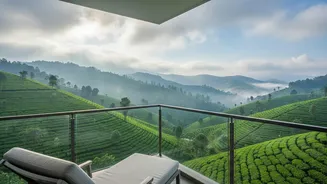
One of the biggest draws of a monsoon getaway is the dramatic shift in atmosphere. The state sheds its party-centric persona for a more tranquil and relaxed vibe. The landscape undergoes a stunning transformation, turning into a lush, emerald paradise. With fewer tourists, popular spots are blissfully uncrowded, allowing for a more intimate and authentic experience. This peaceful environment is complemented by the financial benefits; flights and luxury accommodations are often available at significant discounts, sometimes 40-60% lower than peak season rates. This makes a high-end resort stay in serene South Goa, for instance, a much more accessible indulgence.
What to Expect and How to Plan
A monsoon trip requires a different mindset. While you can expect cooler temperatures, the humidity is high, and heavy downpours are frequent. It's wise to pack light, quick-drying clothes and waterproof footwear. While some beach shacks and seasonal restaurants may be closed, most established restaurants, cafes, and bars in areas like Anjuna and Vagator remain open, often offering a cosier, indoor vibe. Instead of a scooter, renting a car is a more practical way to navigate the wet roads. Planning an itinerary that balances indoor activities, like visiting the Museum of Goa or exploring historic churches, with outdoor adventures during breaks in the rain is the key to a successful monsoon holiday.