





The Soul of the 'Adda'
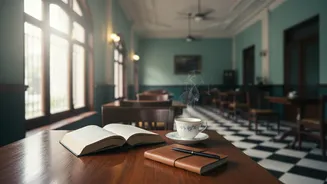
For generations, Kolkata's cafes have been more than just places to eat and drink; they are the heart of 'adda'—a cherished tradition of freewheeling, intellectual conversation. Institutions like the Indian Coffee House on College Street were the unofficial
parliaments for poets, filmmakers, students, and revolutionaries, where ideas were debated and movements were born over endless cups of coffee. This culture, a unique blend of leisure and intellectualism, is deeply woven into the city’s identity, making these cafes hallowed grounds of community and creativity.
A Recipe for Survival
However, nostalgia alone cannot pay the bills. Many of Kolkata’s beautiful, crumbling heritage buildings have faced the threat of demolition. In a pragmatic turn, owners and entrepreneurs are embracing 'adaptive reuse'—a model that preserves architectural history by giving these spaces a new, commercially viable purpose. This trend, accelerated by the search for adaptable real estate, sees old colonial mansions and family homes being thoughtfully restored and repurposed. It’s a delicate balancing act: a conscious effort to save these structures by making them relevant to today's generation.
Where Heritage Meets Hustle
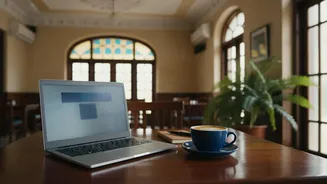
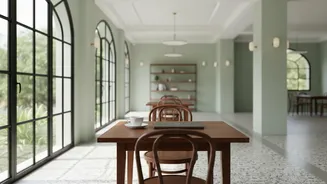
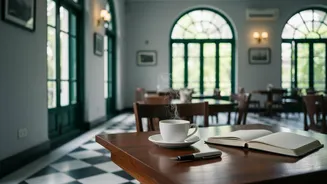
This new identity is most visible in the rise of the cafe as a co-working space. Take The Red Bari, a 90-year-old mansion in Kalighat with a striking crimson facade. It has been meticulously restored into a multi-functional space that includes a ground-floor coffee shop, while its upper floors serve as a co-working hub and art venue. It's a concept that caters to the modern remote worker who seeks inspiration from their surroundings. Establishments like The Bhawanipur House and Sienna Café are also part of this wave, transforming colonial-era homes into buzzing centres where Wi-Fi and power sockets coexist with century-old mosaic floors and louvred windows.
More Than Just a Workspace
The transformation extends beyond the 9-to-5 grind. These reimagined spaces are positioning themselves as dynamic cultural hubs. The Red Bari, for instance, has hosted events for the Bengal Biennale and regularly holds poetry readings and musical evenings. The Bhawanipur House curates exhibitions and design fairs. Even India's first post office café, Siuli, located inside Kolkata’s iconic General Post Office building, blends heritage with whimsy, allowing patrons to sip coffee while sending a parcel. This evolution marks a shift from the passive consumption of history to active engagement, creating a new, vibrant public square for the city.
A Curated Past?
This new model is not without its critics. Some argue that this wave of 'consumer-led conservation' risks creating a stylised, Instagram-friendly version of heritage that caters primarily to an English-speaking, upper-middle-class crowd. There is a concern that ambience can sometimes be valued over authenticity, reducing a complex past into a lifestyle aesthetic. While this approach gives old buildings a new lease on life, the challenge remains to ensure this preservation is inclusive and sustainable, rather than a fleeting trend. For now, however, it represents a vital and creative compromise.