






The Indian traveller is evolving. The checklist-driven tour, focused on frantic sightseeing and sterile hotel rooms, is giving way to a desire for something deeper: connection. Homestays are at the heart of this shift toward authentic living.
Living a Destination, Not Just Seeing It
For a growing
number of Indian travellers, a vacation is no longer just about seeing the sights; it's about experiencing a place from the inside out. This marks a significant psychological shift from passive tourism to active immersion. Instead of observing a culture from the detached comfort of a hotel, travellers want to participate in it. A homestay offers this gateway. It’s the difference between eating a standardized buffet and learning the secret to a host’s family recipe, or between taking a guided tour and getting a local’s recommendation for a hidden waterfall that isn’t in any guidebook. Research shows a clear trend: travellers are seeking meaningful memories and genuine local experiences, which they feel alternative accommodations like homestays are better equipped to provide.
The Allure of the Personal Touch
In an era of digital transactions and automated check-ins, the human element of a homestay stands out. Unlike the often-impersonal nature of a large hotel, a homestay is built on the relationship between host and guest. The hosts are not just service providers; they are cultural ambassadors for their region. They offer a wealth of local knowledge, from navigating public transport to explaining the nuances of a local festival. This personal connection is a key driver for the trend. The Indian tradition of 'Athithi Devo Bhava' (The guest is God) finds its truest expression in this setting, where hospitality is genuine, not scripted. For many, especially solo travellers, the presence of a host family also provides a sense of safety and security.
A Taste of Authentic India
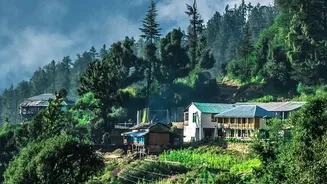
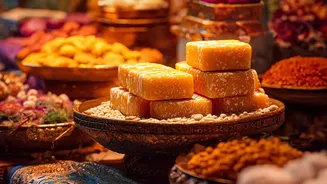
Food is a cornerstone of cultural identity, and for many travellers, one of the biggest draws of a homestay is the promise of authentic, home-cooked meals. This goes far beyond what a restaurant can offer. It's an invitation to taste regional specialties and family recipes passed down through generations. Staying in a homestay allows travellers to experience the diverse culinary landscape of India in its most genuine form, from a traditional Sadhya in Kerala to a rustic mountain meal in Himachal. This desire for authentic food reflects a broader interest in understanding the nuances of regional cultures. Many hosts even offer informal cooking classes, turning a simple meal into an interactive cultural exchange.
More Than Just a Room to Stay
The modern traveller, particularly among millennials and Gen Z, seeks experiences over possessions. Homestays are perfectly positioned to meet this demand. Many have moved beyond simply providing a bed and have started offering curated local activities. This can range from participating in a pottery workshop, learning a local craft, joining a family for a religious ceremony, or exploring a host’s coffee plantation. These 'experiential' stays transform a holiday into a learning opportunity, allowing guests to acquire new skills and a deeper appreciation for the local way of life. The rise of 'workcations' has also boosted demand for homestays, as remote workers seek comfortable, longterm bases that offer both productivity and cultural immersion.
A Boost for Local Communities
The decision to choose a homestay often comes with a rewarding social and economic dimension. By staying in a local home, travellers contribute directly to the household and the community's economy, a factor that is increasingly important to conscientious tourists. This model of tourism helps create sustainable livelihoods in rural and semiurban areas, which may not have the infrastructure for large hotels. The growth of homestays, supported by government schemes and digital platforms, is helping to bridge the accommodation gap in many emerging tourist destinations. It empowers local entrepreneurs, preserves heritage properties, and ensures that the economic benefits of tourism are distributed more equitably.