




The Big Picture: A Deal 'Pretty Close'
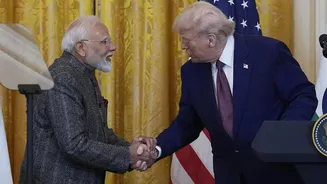
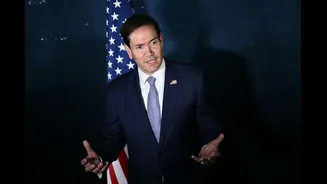
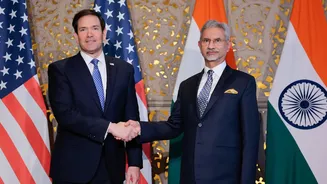
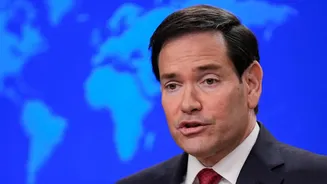
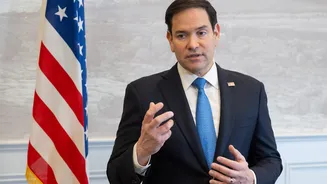
Top officials, including US President Donald Trump and Secretary of State Marco Rubio, have indicated that a trade agreement with India is in its final stages, with some suggesting it could be a matter of weeks. This follows a flurry of recent activity,
including Rubio's visit to India in October 2026 and meetings between commerce ministers from both nations. The goal is to move past the trade friction that has marked the relationship, including significant US tariffs imposed in 2025. The current talks aim to finalize the first phase of a deal, a framework for which was announced in February 2026. While the mood is optimistic, the deal isn't done yet; negotiations are down to the 'technical details' to ensure both sides agree on the fine print.
Potential Wins for Indian SMEs
A finalized deal could provide a significant boost for Indian SMEs by improving market access to their largest export destination. The primary win would be a reduction in tariffs. A framework discussed in February proposed lowering a punitive 25% tariff to a more manageable 18%, a move that would immediately make Indian goods more competitive. Sectors that are major drivers of SME exports stand to gain the most. These include engineering goods, drugs and pharmaceuticals, textiles and readymade garments, and gems and jewellery. Furthermore, a temporary waiver of steep potential tariffs linked to India's Russian oil purchases, granted in October 2026, has already provided some breathing room and restored a degree of buyer confidence. A formal trade agreement would solidify this stability, making it easier for small exporters to secure orders without the looming threat of sudden policy shifts.
Lingering Hurdles and Unresolved Issues
Despite the positive momentum, several sticking points remain. The US has consistently raised concerns about India's regulatory environment. Key among these are issues of intellectual property (IP) protection, with the US wanting stronger safeguards for patents and trade secrets, particularly in the pharmaceutical and technology sectors. Another major area of contention is digital trade. Washington has pushed back against India's data localization requirements, which mandate that certain types of data be stored within the country, and other rules affecting cross-border data flows. High Indian customs duties on certain American products, such as medical devices and some agricultural goods, also remain on the negotiating table. These unresolved issues are part of the 'technical details' that officials are currently working through.
What Should Exporters Do Now?
While a deal seems imminent, experts advise caution against making irreversible business decisions based purely on anticipation. The immediate priority for SME exporters should be preparation. This is the time to conduct a thorough analysis of your business's exposure to US trade. Identify which of your products could benefit most from tariff reductions and which might be affected by new regulations on IP or data. Re-evaluate your supply chains and pricing strategies to model how different tariff scenarios—from best-case reductions to the continuation of the status quo—would impact your bottom line. It's also a crucial moment to strengthen relationships with US-based buyers and partners, keeping them informed of your readiness to scale up when the new trade environment becomes clear. Staying updated through export promotion councils and industry bodies will be key.