




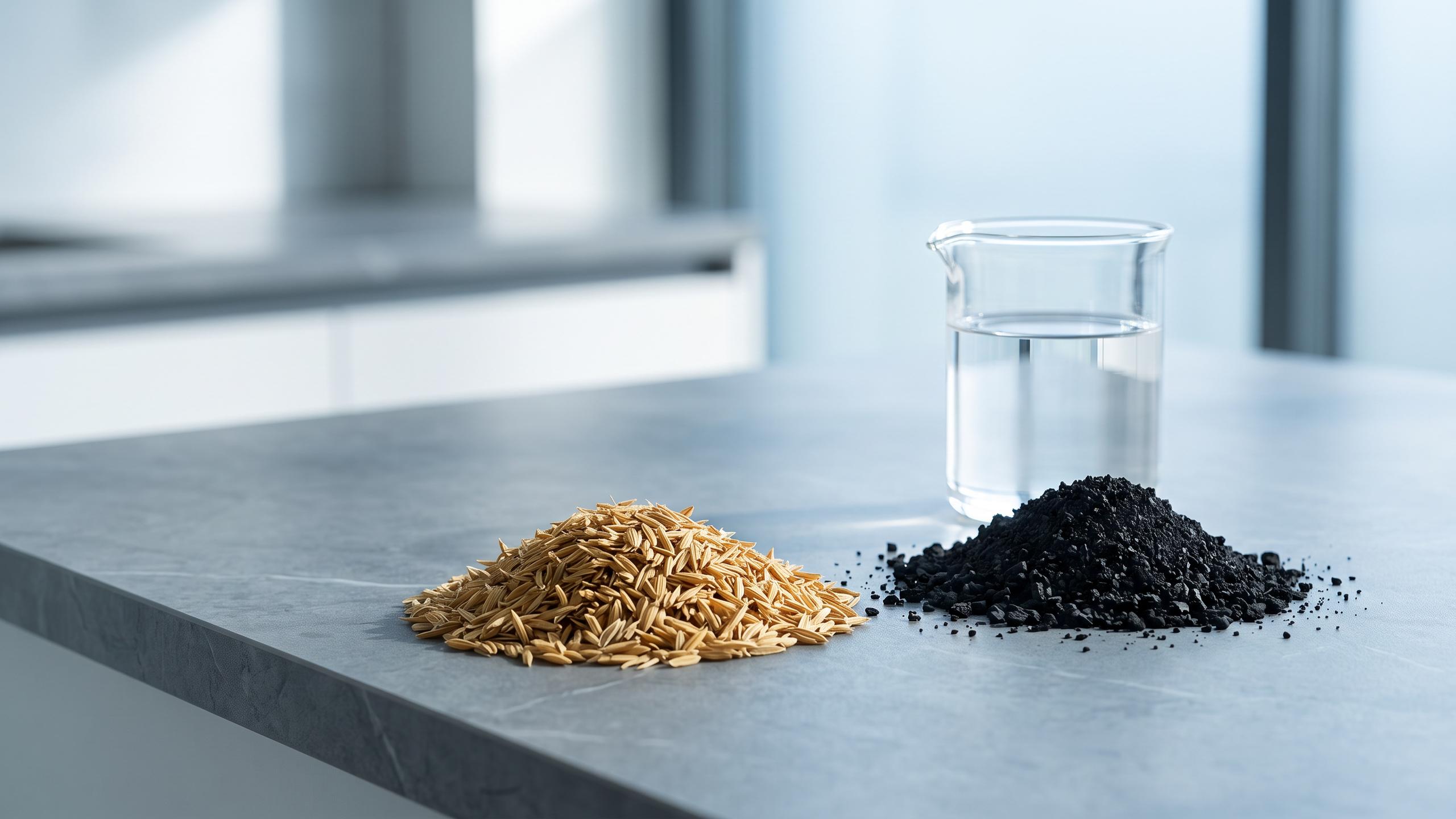
The Problem Floating in Your Glass
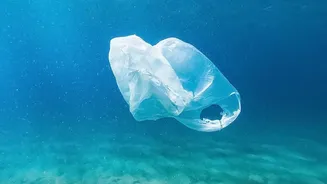
Microplastics are minuscule plastic particles, less than five millimetres in size, that originate from the breakdown of larger plastic waste, synthetic clothing fibres, and industrial byproducts. Their presence in tap water is a documented global issue.
While the World Health Organization has stated that based on limited information, current levels in drinking water don't appear to pose a health risk, research into the long-term effects is ongoing. Concerns persist because these particles can act like magnets for other harmful pollutants and may contain chemical additives from the manufacturing process. Recent studies have noted potential links between microplastic accumulation in the body and various health issues, making the search for effective filtration methods more urgent than ever.
A Sustainable Solution from the Paddy Field
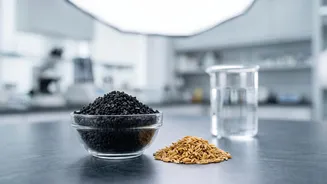
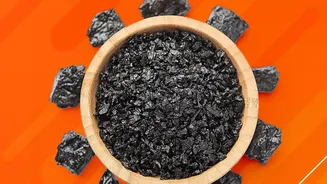
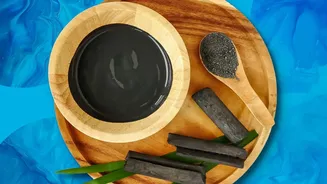
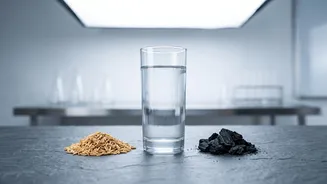
Enter bio-char, a charcoal-like substance made by heating organic material, like agricultural waste, at high temperatures in a low-oxygen environment—a process called pyrolysis. Rice husks, the protective outer layer of rice grains, are one of the world's largest sources of agricultural waste. In a country like India, a major rice producer, this translates to a massive, continuously available, and low-cost resource. Instead of being discarded or burned, these husks can be converted into bio-char, turning a waste management problem into a valuable resource for environmental repair. This approach fits perfectly within a circular economy, where waste from one industry becomes a key input for another.
How Bio-Char Captures Microplastics
The effectiveness of rice husk bio-char lies in its unique structure. The pyrolysis process creates a material that is incredibly porous, with a vast internal surface area. Think of it like a microscopic sponge with a complex network of pores and channels. This structure works in two main ways to combat microplastics. Firstly, it physically traps, entangles, and sieves the plastic particles from the water as it passes through. Secondly, a range of chemical interactions, including hydrophobic attraction and other surface forces, cause the tiny plastic fragments to stick to the bio-char's surface. Studies have shown that bio-char filters can be highly effective, in some cases removing over 97% of microplastics from water, proving particularly good at capturing the smallest particles.
The Affordability and Accessibility Advantage
One of the most compelling aspects of rice husk bio-char is its affordability. The raw material—rice husks—is an abundant and cheap agricultural byproduct, which drastically lowers production costs compared to more sophisticated filtration media. The process of creating bio-char can also be relatively simple and scalable. This cost-effectiveness makes it a promising technology for widespread use, not just in large-scale municipal water treatment plants but potentially in smaller, community-level or even household filter systems, especially in regions where access to advanced and expensive water purification is limited. Its reusability, with some studies showing effectiveness after multiple cycles, further enhances its economic viability.
The Road from Research to Your Tap
While the science is incredibly promising, rice husk bio-char filters are still largely in the developmental and research stage. Many studies demonstrate high effectiveness in laboratory settings, and some companies are beginning to produce bio-char for various filtration applications. However, widespread commercial availability of dedicated microplastic filters for home use is not yet a reality. Further research is needed to optimize the production process, establish standards, and scale up manufacturing. Scientists are also exploring ways to 'engineer' the bio-char by modifying it to enhance its performance and target specific pollutants even more effectively. The path forward involves turning this proven concept into a practical, certified, and readily available product for consumers.