

A Taste of Wellness
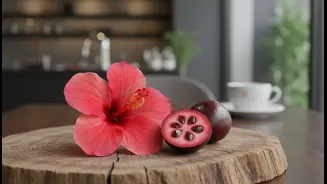
The modern beverage market is moving beyond just quenching thirst; it’s about choosing drinks for mood, lifestyle, and functional benefits. For health-conscious millennials, hibiscus and kokum are perfect fits. Hibiscus, often called 'sour tea', is packed
with antioxidants, Vitamin C, and minerals. Traditionally used in Ayurvedic and Chinese medicine, it's believed to help lower blood pressure, support heart health, and aid digestion. Similarly, kokum, a fruit native to India's Western Ghats, has long been prized as a natural cooling agent and digestive aid. Rich in antioxidants and compounds studied for appetite suppression, it offers a guilt-free indulgence. This turn towards functional, low-calorie beverages reflects a broader generational shift away from sugary, processed soft drinks toward options that align with a wellness-focused lifestyle.
Celebrating Local Roots
There's a growing sense of pride in homegrown ingredients, and the kokum trend is a prime example. Once confined to coastal curries and grandmother’s remedies in regions like Goa and Maharashtra, this tangy fruit is being rediscovered by a new generation. Urban cafes are transforming it into sophisticated coolers and artisanal sodas, moving it from the pantry to the premium menu. This isn’t just about flavour; it's a cultural revival. By embracing ingredients like kokum, and even local variants of hibiscus, millennials are connecting with Indian culinary heritage. It marks a confident move away from mimicking purely global trends and toward creating a modern Indian identity that celebrates regional diversity and purposeful ingredients. Younger diners are now discovering these flavours through cocktails and desserts, forming their own connection to them outside of a traditional context.
Designed for the Digital Age
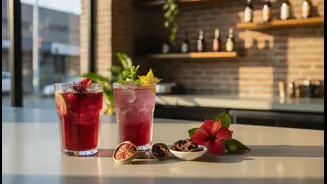
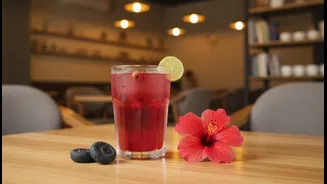
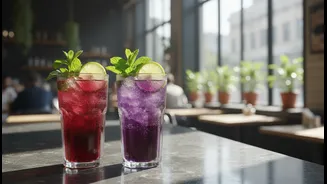
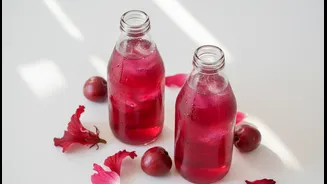
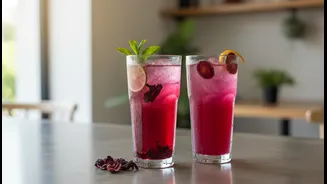
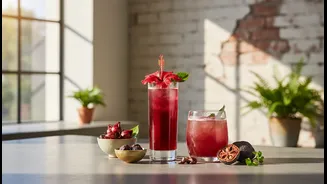
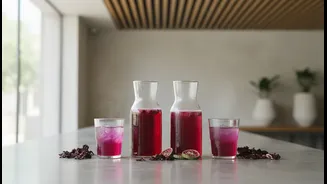
In an era where what we eat and drink is often shared online, visual appeal is paramount. Hibiscus and kokum deliver spectacularly on this front. The deep crimson of a hibiscus iced tea or the lovely pink hue of a kokum cooler are incredibly photogenic, making them a natural fit for Instagram feeds. This visual allure is a significant driver of their popularity among a demographic that uses social media for food discovery. The vibrant colours suggest freshness, natural ingredients, and a certain aesthetic that aligns with modern café culture. It’s a sensory experience that starts with the eyes, signalling a premium, thoughtfully prepared beverage long before the first sip.
The Meaning of 'Craft'
The word 'craft' has become a powerful signifier of quality, and it’s central to the appeal of these drinks. The craft beverage movement, which gained momentum with beer, is now shaping non-alcoholic options too. 'Craft' implies small-batch production, attention to detail, and the use of high-quality, often local, ingredients. For millennials, it signifies a departure from mass-produced products. A craft hibiscus iced tea might be infused with complementary spices like ginger or cardamom, while a kokum soda could be made with house-made syrup rather than a commercial concentrate. This approach allows for unique flavour profiles and a story behind the drink, elevating a simple café catchup into a more curated experience. It caters directly to a consumer base that is increasingly willing to pay more for products that offer authenticity and a compelling narrative.
The Evolving Café Menu
The rise of hibiscus and kokum is part of a larger evolution in café culture. For millennials and Gen Z, cafes are 'third places' — social hubs where the menu reflects their evolving tastes and identities. The demand is for novelty, variety, and drinks that offer an experience. Bartenders and menu creators are responding by looking inward, exploring India’s vast botanical pantry for inspiration. Ingredients like gondhoraj lime, jamun, and various regional flowers are now appearing in everything from kombuchas to mocktails. This innovation shows that the café is no longer just a house of coffee and tea; it's a dynamic space for culinary discovery, where traditional ingredients are given a modern, globally relevant twist.