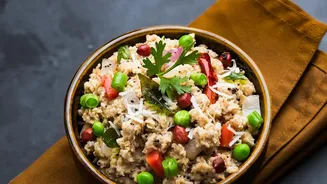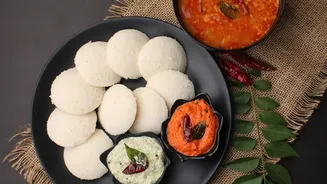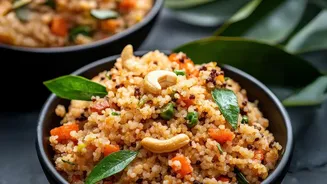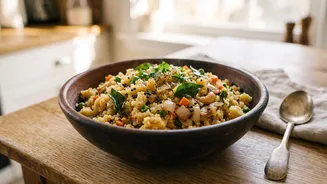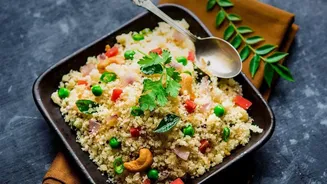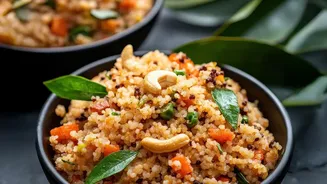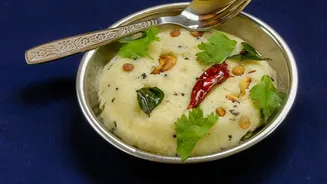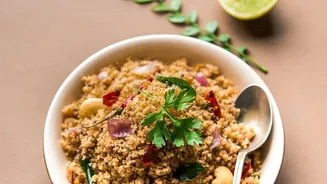


A warm, fluffy bowl of upma is a quintessential Indian breakfast. But beyond the basic semolina porridge lies a diverse world of regional preparations, each with its own character, especially when it comes to the colourful addition of vegetables.
The Foundation of a Perfect Upma
At its
heart, upma is a simple dish born from South Indian home cooking. Its name itself comes from the Dravidian words 'uppu' (salt) and 'mavu' (flour). The process is consistent across variations: a tempering of mustard seeds, lentils like urad and chana dal, and fragrant curry leaves sizzles in hot oil or ghee. Into this, dry-roasted coarse semolina, known as rava or sooji, is cooked with hot water until it becomes soft and fluffy. Roasting the rava beforehand is a key step; it prevents lumps and ensures a light, non-sticky texture. This basic canvas is where the regional magic and vegetable artistry begin.
The South Indian Classic and its Spicy Cousin
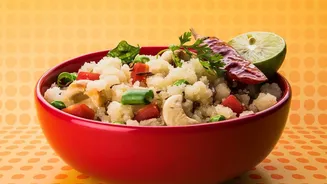
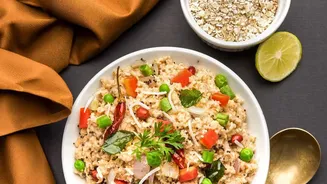
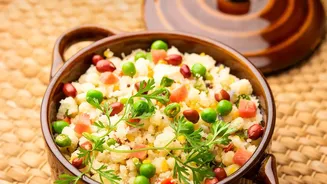
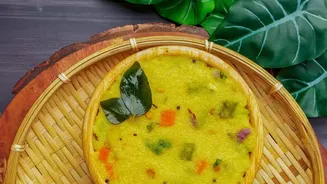
The most widely recognised version is the classic Rava Upma, a staple across Tamil Nadu, Andhra Pradesh, and Kerala. This version is often subtly flavoured, letting the taste of the semolina and simple tempering shine. When vegetables are added, they are usually a simple mix of finely diced carrots, green peas, and beans, which add sweetness and a gentle bite. In Karnataka, upma often transforms into the spicier, more flavour-packed 'Khara Bath'. While built on the same rava base, it includes a special masala powder, often vangi bath powder, which contains spices like cinnamon and cloves. Khara Bath is typically richer with vegetables, including onions, tomatoes, and sometimes capsicum, giving it a distinctive taste and a soft texture. It's famously served alongside sweet Kesari Bath in a combination known as 'Chow Chow Bath'.
The Maharashtrian Savoury 'Upit'
Travel west to Maharashtra, and you'll find 'Upit' or 'Tikhat Upma' (spicy upma). This version is distinct in its preparation and flavour profile. Onions are almost always a primary ingredient, sautéed until translucent to provide a sweet, aromatic base. Maharashtrian upit often has a more pronounced savoury and spicy flavour from green chillies and ginger. While some households add vegetables like peas and potatoes, the focus is often on the texture of the semolina and the pungency of the onions. A common garnish is a sprinkle of fresh coriander and sometimes a squeeze of lemon to cut through the richness. The final texture is typically fluffy and dry, with each grain separate.
The Art of Adding Vegetables
Adding vegetables does more than just boost nutrition; it transforms the texture and flavour of the upma. The key is to chop them finely and evenly so they cook through without becoming mushy. Harder vegetables like carrots and beans should be sautéed first, just after the tempering and onions, to give them a head start. Softer vegetables like green peas (fresh or frozen) and chopped tomatoes can be added a few minutes later. Some cooks prefer to steam or boil the vegetables separately and mix them in at the end to ensure they are perfectly cooked without altering the upma's texture. From capsicum and corn to cauliflower, the choice of vegetables can be guided by season and personal preference, making vegetable upma an endlessly adaptable meal.
Beyond Rava: Vermicelli and Bread
Upma's versatility extends beyond semolina. Semiya Upma, made with wheat vermicelli, is a popular variation that is lighter and quicker to cook. The vermicelli is roasted and then cooked with a similar tempering and vegetable mix, resulting in a dish that resembles savoury noodles. It's crucial to get the water ratio right to avoid a sticky outcome. Another creative adaptation is Bread Upma, a fantastic way to use up leftover bread. Cubes of bread are tossed in a tempering of onions, tomatoes, and spices until they absorb the flavours, creating a quick, satisfying snack that carries the delicious DNA of its parent dish.