


The Power of Nature Indoors
The practice of connecting with nature in our indoor environments is known as biophilic design. This design philosophy is based on the idea that humans have an innate tendency to seek connections with nature. Studies have shown that incorporating natural
elements into our homes and workplaces can reduce stress, improve mood, and enhance our overall sense of well-being. When applied to small spaces, these principles do more than just make a room look good; they create a psychological sense of calm and openness, making the environment feel more restorative and less confined. It’s about tricking the eye while soothing the soul.
Embrace a Palette of Earth Tones
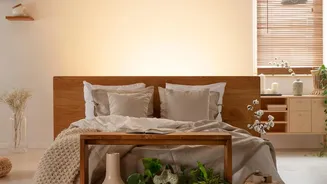
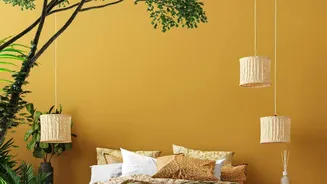
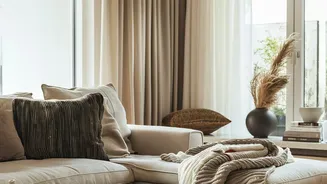
Colour is one of the most powerful tools in interior design. To make a small space feel more expansive and serene, start with a foundation of earth tones. Think of the colours you’d find on a peaceful walk in the woods: soft creams, warm greys, gentle greens, and muted browns. These colours are inherently calming and create a cohesive look that doesn’t overwhelm a small area. Lighter shades on the walls will reflect more light, making the room feel larger, while deeper earth tones can be used as accents in textiles or decor to add depth and a sense of grounding.
Incorporate Natural Materials
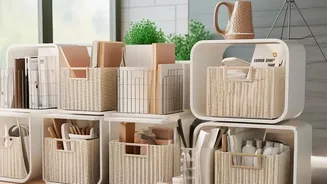
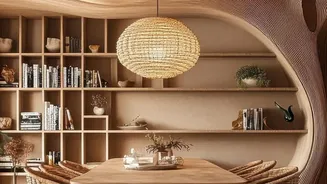
Texture plays a crucial role in making a space feel warm and inviting. Swap out synthetic materials for natural ones that engage the senses. Think of a solid wood coffee table, a jute or wool rug underfoot, linen curtains that softly filter light, and rattan or wicker baskets for storage. These materials add a tactile quality and visual interest that prevents a minimalist, neutral space from feeling sterile. Weathered or reclaimed wood, in particular, can bring a sense of history and character, making your home feel authentic and lived-in.
Maximise Natural Light
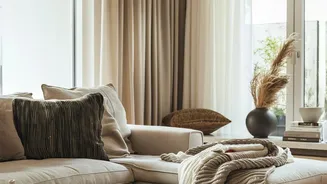
Light is the ultimate space-expander. In a small home, you want to maximise every bit of natural light you can get. Keep window treatments simple and light; sheer linen curtains can provide privacy while still allowing sunlight to pour in. Strategically placing a mirror opposite a window is a classic trick to reflect both light and the view, creating an illusion of more space and another 'window'. Keeping windowsills clear and arranging furniture to avoid blocking light sources will instantly make a room feel brighter and more open.
Welcome Living Greenery
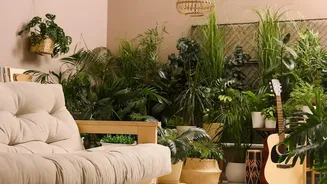
No earth-inspired design is complete without plants. Greenery literally brings life into your home, improving air quality and providing a direct connection to nature. In small spaces, think vertically. Use hanging planters, wall-mounted shelves, or tall, slender plants like a snake plant or fiddle-leaf fig to draw the eye upward. Even a few small succulents on a windowsill or a terrarium on a coffee table can make a significant impact, adding a pop of colour and organic vitality without taking up precious floor space.
Choose Organic Shapes and Forms
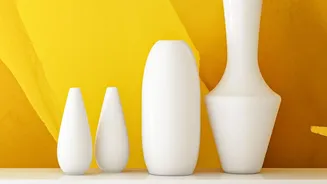
Nature rarely deals in perfectly straight lines and sharp corners. To soften the feel of a small room, incorporate furniture and decor with organic, curved shapes. A round coffee table, a curved armchair, or a mirror with an irregular, pebble-like shape can break up the boxy feeling of a small room. These softer forms are more inviting and create a better sense of flow, encouraging movement and making the space feel more dynamic and less rigid. Look for decor items like stone vases, wooden bowls, or hand-made ceramics that echo these natural forms.