





The Challenge: A Dip in Immunity
The rainy season, while beautiful, creates a perfect breeding ground for bacteria and viruses. The high humidity and fluctuating temperatures can weaken our body's natural defenses, making us more susceptible to colds, flu, and digestive issues. Nutritionists
emphasize that what we eat plays a crucial role during this time. A diet focused on light, warm, and freshly cooked meals can significantly bolster our immune system and keep seasonal ailments at bay. The focus shifts to foods that are not only easy to digest but also packed with infection-fighting properties.
Jamun: The Seasonal Star
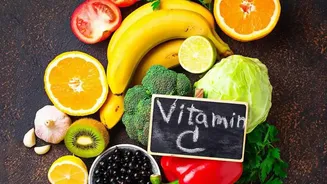
This purple gem is a quintessential monsoon fruit for good reason. Jamun, or Indian blackberry, is loaded with Vitamin C and powerful antioxidants that are essential for a strong immune system. Nutrition experts recommend it for its ability to support healthy digestion, a common concern during the rains. Its low calorie count and high iron and potassium content make it a nutrient-dense snack to enjoy. It's best eaten fresh, but be sure to wash it thoroughly before consumption, a rule that applies to all fruits and vegetables this season.
Turmeric and Ginger: The Power Duo
These humble kitchen staples become non-negotiable during the monsoon. Both ginger and turmeric are celebrated for their natural anti-inflammatory and antimicrobial properties. Nutritionists regularly advise incorporating them into daily meals to help the body combat seasonal infections. Turmeric, with its active compound curcumin, is a natural antibiotic agent, while ginger is excellent for soothing the digestive system and relieving sore throats. A warm cup of ginger-turmeric tea or adding them generously to dals and sabzis is an easy way to reap their benefits.
Bhutta (Corn): The Ultimate Monsoon Snack
Roasted corn on the cob is an iconic image of the Indian monsoon, and it’s a snack that comes with health professional approval. Bhutta is a great source of fibre, which aids gut health—a cornerstone of strong immunity. It is also rich in antioxidants that help protect the body's cells from damage. Unlike many street-side snacks that can be heavy and oily, a simple roasted bhutta with a dash of lime and salt is a light, nutritious, and satisfying option that provides energy without weighing you down.
Moong Dal: The Digestive Aid
When the digestive system becomes sluggish in the humid weather, moong dal is the go-to lentil. It is exceptionally light and easy to digest, making it a perfect base for many monsoon meals like khichdi. This comforting one-pot meal, often prepared with rice, moong dal, and warming spices like cumin and ginger, is considered a complete and balanced meal that nourishes the body without taxing the gut. Its high protein content is also vital for building and repairing body tissues and maintaining a robust immune response.
Gourds: Light and Nourishing Vegetables
Ayurveda and modern nutrition agree on the benefits of including gourds like lauki (bottle gourd), turai (ridge gourd), and karela (bitter gourd) in your monsoon diet. These vegetables are high in fibre, easy to digest, and have a high water content that helps with hydration. Bitter gourd, in particular, is lauded for its ability to keep infections at bay. Health experts strongly recommend opting for steamed or cooked vegetable preparations over raw salads during this season to minimize the risk of bacterial contamination.
Probiotics: Yoghurt and Buttermilk
Gut health is the bedrock of immunity, with a significant portion of our immune system residing in the digestive tract. Probiotic-rich foods like yoghurt (curd) and buttermilk are excellent for promoting the growth of beneficial gut bacteria. A healthy gut microbiome enhances digestion and strengthens the body's ability to fight off pathogens. Nutritionists suggest including a bowl of room-temperature curd with lunch or a glass of fresh buttermilk to keep your digestive system running smoothly.