





The Fading Charm of Classic Escapes
For decades, towns like Manali, Nainital, and Darjeeling were the default answer for city dwellers seeking cool air and green hills. Today, that picture is complicated by reality. Many of these beloved destinations are groaning under the pressure of their
own popularity. Overtourism has transformed peaceful retreats into crowded marketplaces, with main streets choked by traffic and tourist infrastructure straining at the seams. The very tranquility that travellers seek is often lost in a sea of commercial hotels, packed viewpoints, and long lines for everything. Problems like waste management and water scarcity, exacerbated by the seasonal tourist influx, further tarnish the experience, leaving many to wonder if the escape is worth the hassle.
A Question of Safety and Sustainability
Beyond the crowds, a more alarming factor is influencing travel decisions: safety. Unplanned development, rampant construction, and the visible effects of climate change have made many classic hill towns increasingly vulnerable to natural disasters. Frequent news of landslides during monsoon season, sometimes triggered by cloudbursts and cutting off access for days, has introduced a level of unpredictability and risk. Travellers are now more aware that the charming hillside cottage or hotel could be in a zone threatened by slope instability. This growing concern for safety, coupled with an awareness of the environmental degradation caused by unchecked tourism, is a significant 'push' factor driving people to seek more stable and sustainable alternatives.
The Allure of the High-Altitude Desert
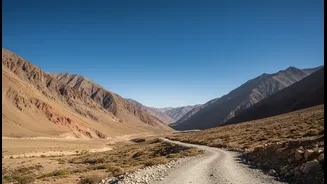
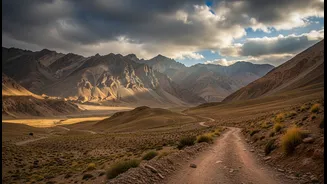
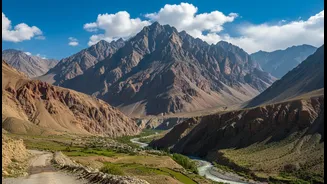
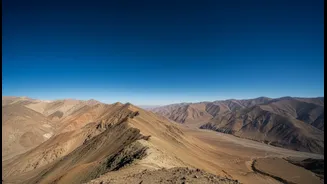
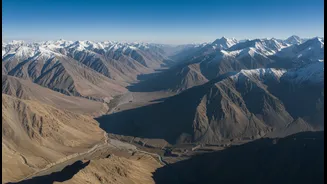
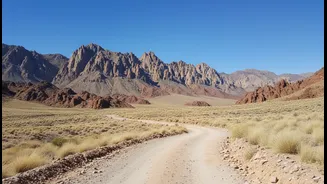
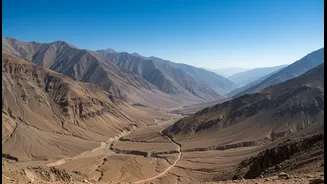
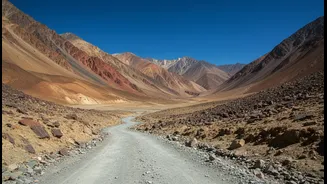
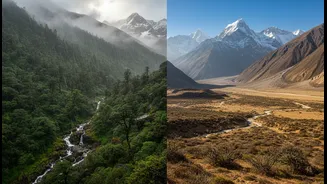
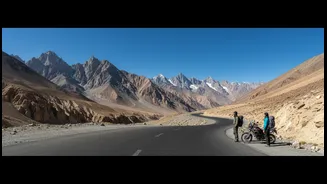
Enter Spiti and Ladakh. These high-altitude cold deserts in the Himalayas offer a stark and compelling contrast. Instead of lush green hills, they present vast, dramatic landscapes of barren mountains, deep gorges, and turquoise lakes under brilliant blue skies. This raw, untouched beauty is a powerful 'pull' factor. For many urban Indians, the appeal lies in the sheer scale and solitude of these regions. The experience is less about passive sightseeing and more about immersion in a unique environment. The sparse population, rich Tibetan-Buddhist culture with its ancient monasteries, and minimal light pollution offering spectacular stargazing opportunities provide a sense of discovery that feels worlds away from a crowded mall road.
The Journey Becomes the Destination
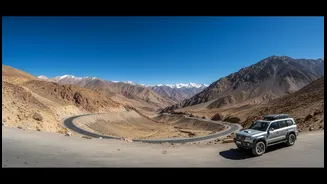
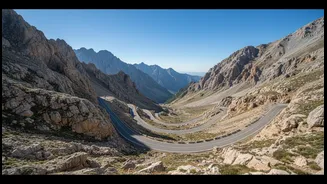
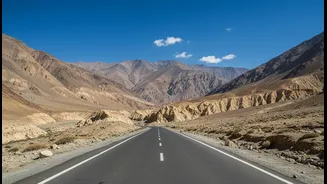
A trip to Spiti or Ladakh is fundamentally different from a weekend getaway to a nearby hill station. The journey itself is an integral part of the adventure. While classic hill towns are reached in a matter of hours, accessing Spiti and Ladakh often involves a multi-day road trip over some of the world's highest motorable passes. This challenging journey, whether by motorcycle or SUV, has become a rite of passage for a growing number of adventure enthusiasts. It filters out the casual tourist and attracts a traveller who is prepared for a more demanding and rewarding experience. This shift signifies a change in travel philosophy, where the effort of the journey enhances the value of the destination, turning the entire trip into an epic story to tell.
A New Kind of Indian Traveller
The preference for Spiti and Ladakh reflects the evolution of the modern Indian traveller. There's a clear move away from the traditional family vacation focused on relaxation and towards experience-led, adventure-oriented travel. This new demographic, often younger and digitally savvy, seeks personal growth, bragging rights, and unique content for social media. Spiti and Ladakh deliver on all fronts, offering a challenging yet highly 'Instagrammable' adventure. They are looking for authenticity, whether it's staying in a local homestay in Spiti or camping near a remote lake in Ladakh. This trend highlights a desire for more meaningful and transformative journeys over conventional sightseeing.