


The Hills Are Alive With Opportunity
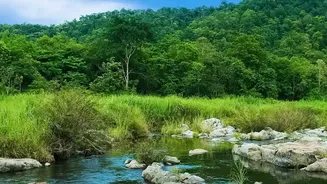
Parvathipuram Manyam, a district known for its stunning natural beauty, verdant forests, and cascading waterfalls, has long held immense, yet largely untapped, tourism potential. The region, home to various Adivasi communities, is characterized by its rugged
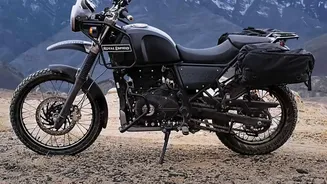
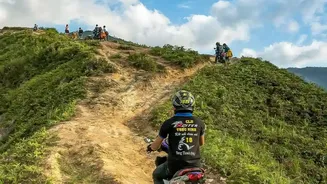
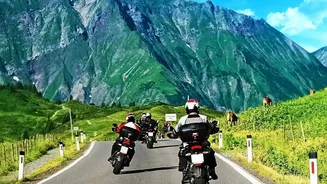
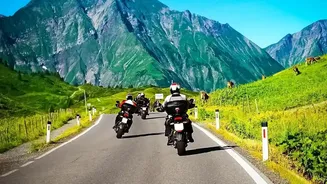
terrain and remote villages. While popular with adventurous eco-tourists and motorcycle enthusiasts drawn to its scenic ghat roads, accessing many of its most beautiful spots often required arduous treks, limiting their appeal. Now, a forward-thinking initiative is turning this challenge into a unique strength, transforming the region's geography into a source of sustainable income for the very people who know it best.
More Than Just a Ride
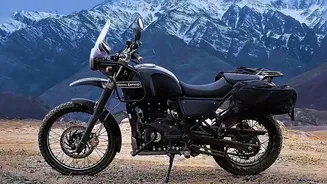
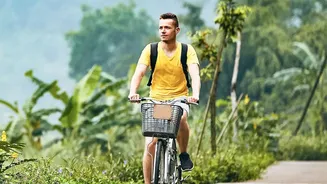
The district administration has launched a 'bike tourism' initiative designed to create livelihood opportunities for local tribal communities while making the area more accessible. This follows a successful pilot program introduced last year: a tribal bike taxi service. Under this scheme, local Adivasi youth ferry tourists on motorcycles to 16 remote waterfalls, such as the Moganali Waterfalls. The positive response from visitors, who could now reach these secluded natural wonders with ease, prompted the administration to expand the concept into a full-fledged tourism plan. The new drive involves identifying dedicated 30-kilometer tourism circuits that combine waterfalls, scenic viewpoints, and safe overnight stay facilities. The goal is to create a structured, safe, and immersive experience for visitors, guided by those who call the region home.
From Local Youth to Tourism Ambassadors
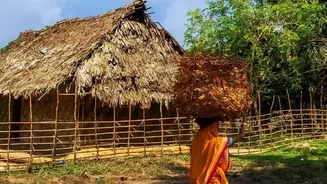
At the heart of this initiative is the empowerment of tribal youth. Rather than being passive bystanders to tourism development, they are its primary drivers. The administration is actively training young people as trekking and motorcycle guides, equipping them with essential skills like first aid to ensure tourist safety. This provides a direct and meaningful form of employment, offering a vital alternative to migrating to urban centers in search of work. The impact is already visible, with local Adivasis becoming guides, vendors, and service providers. This community-led model, recognized nationally for its innovation, ensures that the economic benefits of tourism flow directly back into the tribal villages, fostering a sense of ownership and pride.
A Sustainable Path Forward
The focus extends beyond mere economics to encompass cultural and environmental sustainability. By putting tribal communities in charge, the model helps preserve their unique culture and traditions. A tribal museum is also being established in Seethampet to showcase and protect the region's rich heritage. Officials are promoting the area as a plastic-free zone to safeguard its pristine environment. Furthermore, the government is supporting the establishment of shops selling tribal products at tourist locations, providing loans to help locals set up these small businesses. This holistic approach ensures that as tourism grows, it does so in a way that respects the local way of life and protects the natural resources that make Manyam so special. In some cases, community involvement has been so effective that projects estimated to cost lakhs were completed with almost no cost, using local ingenuity and materials.
The Road Ahead
The vision for Manyam is ambitious. The district collector has directed officials to prepare a comprehensive action plan covering all four assembly constituencies in the district, aiming to brand Manyam as the “Home of Waterfalls”. Plans are underway to develop more waterfalls and promote adventure activities like rock climbing. To make the experience even more seamless, authorities are installing QR code boards with information about attractions and developing a dedicated website for booking meals and accommodation in advance. By integrating technology with community-led enterprise, the Manyam district is charting a new course for rural tourism in India—one where the path to economic progress is paved with respect for people and nature.