





The Hidden Risks in a Damp Home
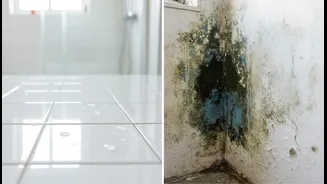
The constant humidity of the Indian monsoon creates the perfect breeding ground for a host of unwelcome guests. While we enjoy the cooler weather, high moisture levels in the air mean that mould and mildew can flourish on walls, in cupboards, and on furniture,
often within 24 to 48 hours. These fungi can trigger respiratory issues, allergies, and skin irritation. Beyond mould, the damp environment and stagnant water are ideal for bacteria and viruses to multiply. This increases the risk of several monsoon-specific illnesses, including water-borne diseases like typhoid and cholera, and vector-borne diseases like dengue and malaria, as mosquitoes also breed in stagnant water.
Cleaning Isn't the Same as Disinfecting
Many of us use the terms “cleaning” and “disinfecting” interchangeably, but they mean very different things. Cleaning is the physical process of removing visible dirt, grime, and some germs, usually with soap and water. It’s an essential first step. However, cleaning doesn't necessarily kill germs. Sanitizing reduces the number of bacteria to a safe level, but it may not be effective against viruses. Disinfecting is the next level up. It uses specific chemical agents to kill nearly 100% of germs—including both bacteria and viruses—on a surface. During the monsoon, when the risk of illness is higher, simply cleaning a surface isn’t enough to tackle the invisible threat of pathogens.
A Smart, Two-Step Approach
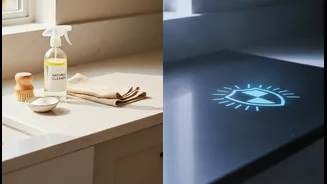
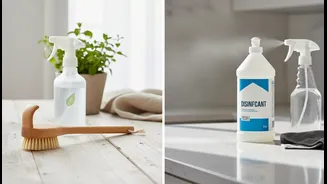
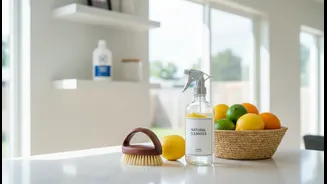
This doesn’t mean you need to abandon your eco-friendly or low-chemical cleaning products. They are perfect for daily tasks like wiping down counters and removing dust. The key is to adopt a two-step approach: continue with your regular cleaning for general maintenance, but strategically incorporate disinfection for high-risk areas. Think of it as a targeted intervention. Use your gentle cleaners for everyday upkeep, and bring out the disinfectants when and where they are most needed to protect your family’s health from specific monsoon threats.
Your Monsoon Disinfection Checklist
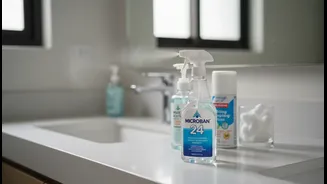
To keep your home healthy, focus your disinfection efforts on areas that pose the biggest risk. High-touch surfaces should be at the top of your list: doorknobs, light switches, remote controls, and cabinet handles. These are touched by multiple people throughout the day and can easily spread germs. The kitchen and bathroom also require special attention. Disinfect kitchen counters, especially after preparing raw meat, and bathroom surfaces like taps, toilet flush handles, and floors. Pay close attention to any areas showing signs of dampness or mould growth, as these will need thorough cleaning followed by disinfection to prevent spores from spreading.
How to Use Disinfectants Safely
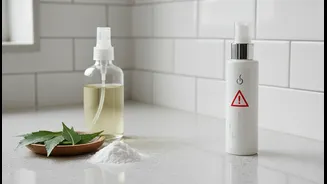
When you do use a disinfectant, it’s crucial to do it safely. First, always clean the surface with soap and water to remove dirt, which can prevent the disinfectant from working effectively. When applying the disinfectant, ensure the room is well-ventilated by opening windows or using a fan. Always read the product label and follow the instructions carefully, especially regarding the “contact time”—the period the surface must remain wet for the product to kill all the germs it claims to. Never mix different cleaning products, as this can create toxic gases. Wear gloves to protect your skin, and store all chemical products safely out of reach of children and pets.