

Understanding the Great Retreat
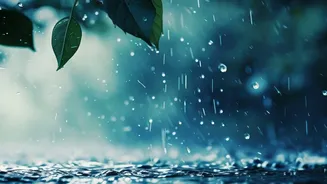
The end of the monsoon isn't like flipping a switch. Known as the retreating monsoon, it's a gradual process that can take over a month. According to the India Meteorological Department (IMD), the withdrawal typically begins from the northwestern parts
of the country around mid-September. From there, the line of withdrawal moves progressively southeast, often not fully leaving the southern peninsula until mid-October or later. This phase is defined by specific meteorological criteria, including five continuous days without rain and a significant drop in atmospheric moisture. Recent satellite imagery has shown increasingly clear skies over northwest and central India, signalling that conditions are becoming favourable for the withdrawal to begin, even if the official declaration is pending. This slow-moving farewell to the rains is what sets the stage for a new season of activity.
The Joy of Finally Dry Laundry
For anyone who has battled damp, musty clothes for months, the withdrawal of the monsoon brings one of life's simplest pleasures: dry laundry. The persistent high humidity of the monsoon season makes it notoriously difficult for clothes to dry, leading to a constant struggle against mildew and odours. The post-monsoon period, however, is characterised by clearer skies and a sharp drop in humidity. This shift means clothes can finally be hung outside to dry in the sun, a small but significant return to normalcy. This liberation from dampness isn't just about convenience; it also affects home environments, reducing the overall feeling of dampness and the need for constant dehumidifying efforts. It’s a collective, practical sigh of relief felt in households across the country.
A Green Light for Travellers
The end of the rains unlocks a golden window for travel in India. Many destinations that are either inaccessible or less pleasant during heavy downpours become prime spots for exploration. The period from October to November is widely considered one of the best times to travel. The landscape, washed clean by the monsoon, is vibrantly green and lush. Trekking routes in the Himalayas, such as in Uttarakhand and Himachal Pradesh, reopen with crystal-clear mountain views. National parks like Jim Corbett and Ranthambore, whose core zones are often closed during the monsoon, typically reopen in October, offering fantastic wildlife-sighting opportunities. Coastal destinations like Goa and the backwaters of Kerala become idyllic, with calm seas and pleasant weather perfect for beach activities and houseboat cruises.
Reclaiming the Great Outdoors
Beyond travel, the retreating monsoon allows for the revival of outdoor activities in our own cities and towns. The constant threat of a sudden downpour that cancels plans for picnics, evening walks, and outdoor sports finally subsides. Parks and public spaces become inviting again. It’s a time when street food vendors can operate without interruption and when outdoor markets and festivals can be planned with more certainty. This period often coincides with major festivals like Navratri and Diwali, which traditionally involve community gatherings and outdoor celebrations. The cooler, drier air makes evenings particularly pleasant, encouraging people to step out and reconnect with their communities after months of being largely confined indoors by the weather.
The 'Second Spring' Landscape
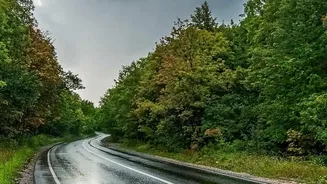
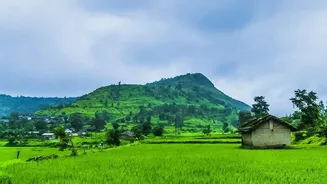
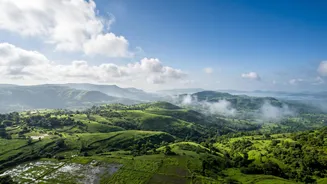
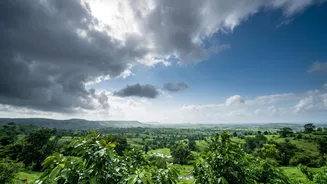
Photographers and nature lovers cherish the post-monsoon season for its unique beauty. The landscape is left dust-free and draped in countless shades of green, earning it the nickname of India's 'second spring'. Waterfalls in places like Coorg and Munnar are at their most powerful, fed by the season's rains. The air is crisp and visibility is excellent, offering stunning panoramas from viewpoints and peaks. This is the time when destinations like the Valley of Flowers in Uttarakhand showcase their full bloom of alpine flora, and tea gardens in Munnar appear almost luminescent. This post-monsoon glow provides a spectacular, if brief, opportunity to see the Indian landscape at its most refreshed and photogenic.