





First, Identify the Source
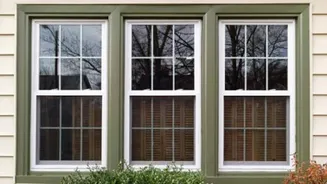
Before you can solve the problem, you need to know what you are dealing with. Dampness in homes typically stems from one of three main causes. The first is penetrating damp, which occurs when water from outside enters through walls, roofs, or around window
frames. You might notice tide marks or discoloured patches on walls. The second is rising damp, caused by groundwater moving up through the building’s foundation, usually visible as a damp tide mark up to a metre high from the floor. The most common culprit, however, is condensation. This happens when warm, moist air from activities like cooking, showering, and even breathing hits a colder surface like a wall or window, turning the vapour back into water droplets. A persistent musty smell, peeling paint, and visible mould are all tell-tale signs.
Immediate Actions for Damp Control
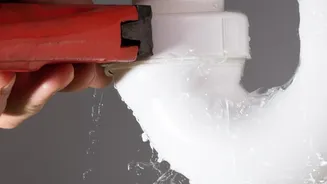
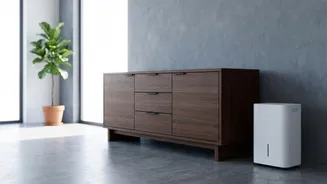
Once you spot dampness, act fast. The most crucial first step is to improve ventilation. Open windows and doors for at least 15-20 minutes daily to allow moist air to escape. Use exhaust fans in kitchens and bathrooms during and after use to expel steam and moisture. For more severe humidity, a dehumidifier is an excellent investment, as it actively pulls moisture from the air. Aim to keep your home's humidity level between 30% and 50%. Natural alternatives can also help; placing bowls of baking soda or charcoal in damp corners can absorb excess moisture, as can certain indoor plants like Boston ferns and snake plants. If you find any leaks, get them fixed promptly to prevent further water ingress.
Protecting Wooden Furniture
Wood is particularly vulnerable to humidity, as it is a natural material that expands and contracts with moisture changes. This can lead to swelling, warping, and drawers that stick. To protect your wooden pieces, try to maintain a stable indoor climate using air conditioning or a dehumidifier. Avoid placing valuable furniture directly against exterior walls, especially those that feel damp, as this traps moisture and restricts airflow. Leave a gap of at least a few inches. Applying a protective wax or polish can create a barrier against moisture. Regular dusting with a soft, dry cloth also helps, as dust can attract and hold moisture against the surface. Always use coasters and mats to prevent water rings from drinks.
Safeguarding Fabrics and Wardrobes
Clothes, upholstery, and carpets can quickly develop a musty smell and become breeding grounds for mould and mildew in a damp environment. The key to protecting them is ensuring they stay dry and have room to breathe. Never put away clothes that are even slightly damp. Avoid overstuffing your wardrobes; good air circulation is essential to prevent moisture buildup. Placing silica gel packets, naphthalene balls, or even dried neem leaves inside cupboards can help absorb moisture and deter pests. An old trick that still works is to leave a low-wattage incandescent bulb on inside a large wardrobe, as the gentle heat helps keep the space dry. For upholstered furniture, try to keep it away from damp walls and consider using slipcovers that can be removed and washed easily.
Shielding Electronics and Valuables
Humidity is a silent enemy of electronic devices, leading to corrosion, short circuits, and eventual failure. High moisture levels can attack circuit boards, solder joints, and connectors. Keep sensitive gadgets like cameras, laptops, and speakers away from open windows and damp areas. For items you don't use often, storing them in airtight containers with desiccant packets like silica gel is highly effective. It is also a good practice to power on devices every few weeks, as the internal heat generated can help burn off light surface moisture. Important documents and photographs are also at risk and should be stored in moisture-proof containers or files to prevent them from becoming mouldy and sticking together.
Long-Term Prevention Strategies
While immediate fixes are helpful, long-term solutions are necessary to permanently solve a persistent damp problem. This often involves addressing the building itself. Inspect your home’s exterior for cracks in the walls or gaps around window and door frames, and seal them with appropriate fillers or sealants. Ensure your gutters and downpipes are clear and functioning correctly to direct rainwater away from your foundation. For interior walls, applying a waterproof coating or moisture-resistant paint can create a barrier that prevents damp from seeping through. In cases of severe penetrating or rising damp, it is best to consult a professional for solutions like injecting a chemical damp-proof course or undertaking more extensive waterproofing work.