






Master Your Fuel Budget
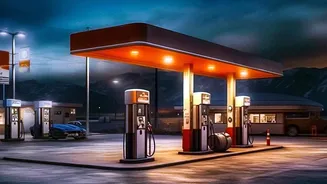
Your journey's biggest variable expense is fuel, but it doesn't have to be a surprise. Planning your fuel costs is a straightforward process that brings peace of mind. The basic formula is simple: divide your total trip distance by your vehicle's real-world
mileage to determine the litres of fuel needed, then multiply by the approximate fuel price. For instance, for a 500 km trip in a car that gives 15 km/litre, you'll need about 33.3 litres of fuel. Don't rely on the manufacturer's claimed mileage, which is often higher than what you'll achieve in actual driving conditions; use your car's typical performance for a more accurate estimate. To make this even easier, numerous online fuel cost calculators are available. These tools let you input your route and vehicle details to get an instant cost estimate. Remember that fuel prices vary between states, so for longer, multi-state trips, you can plan your major refuelling stops in states where prices are lower.
Navigate Tolls with FASTag
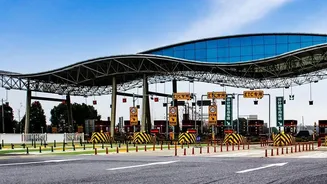
Gone are the days of long queues and fumbling for cash at toll plazas. On India's national highways, FASTag is now mandatory. This reloadable tag, which uses Radio Frequency Identification (RFID) technology, is affixed to your vehicle's windscreen. As you pass through a toll plaza, the fee is automatically debited from a linked prepaid account or bank account, allowing you to move through without stopping. This not only saves significant time but also fuel that would otherwise be wasted while idling in traffic. To get started, you can obtain a FASTag from various certified banks or at designated point-of-sale locations like toll plazas. Recharging is simple and can be done online through UPI, credit/debit cards, or net banking. Keeping your tag's KYC details updated and maintaining a sufficient balance is crucial to avoid issues, as entering a FASTag lane without a valid, funded tag can result in having to pay double the toll amount.
Prioritise Driver Rest and Safety
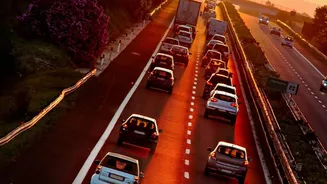
The most critical and often overlooked element of a successful road trip is driver rest. Fatigue is a major safety hazard, significantly impairing judgement and reaction time. It's not a sign of weakness to be tired; it's a biological reality. Plan your itinerary to include regular breaks and reasonable daily driving limits. Road safety experts often recommend taking a 15-30 minute break every two to three hours and not driving more than eight hours in a single day. These pauses aren't lost time; they are an investment in your safety and enjoyment. Use these stops to stretch, hydrate, and have a light meal. For multi-day trips, pre-booking accommodations near the highway can save you from the stress of searching for a place to stay when you're already exhausted. Driving during late-night hours, especially between midnight and 6 AM, goes against your body's natural rhythm and increases risk. A well-rested driver is an alert driver, making the journey safer for everyone on the road.
Putting It All Together
A great road trip plan integrates these three components into a single, cohesive strategy. Before you leave, map your route using an app like Google Maps, which can provide an estimated travel time and distance. Use this data with a fuel calculator to create your fuel budget. Check the NHAI website or a toll calculator app to see the number of toll plazas on your route and ensure your FASTag is loaded with an adequate balance. Finally, overlay your rest plan. Identify potential spots for breaks—branded restaurant chains or fuel stations with good amenities are often reliable choices for clean facilities. Mark your intended overnight halt if it's a long journey. Having these logistics sorted before you turn the key allows you to focus on the road and the scenery, not on the next fuel station or the balance in your wallet. The structure provided by this planning is what ultimately creates the freedom to enjoy the spontaneous moments a road trip offers.