








More Than Just Paneer
For generations, India has been a global bastion of vegetarianism, with a culinary heritage rich in lentils, vegetables, and grains. But what’s happening now is different. This isn't just about sticking to the traditional dals and sabzis. A new wave,
driven by millennials and Gen Z, is redefining the very concept of plant-based eating. They are moving beyond simple vegetarianism to a more conscious, intentional “plant-powered” lifestyle. It’s less about religious or cultural obligation and more about personal choice, wellness, and environmental consciousness. The result is a dynamic food scene where the humble beetroot might be found in a smoky kebab, and jackfruit gets a new life as a filling for 'pulled pork' tacos.
The Drivers of the Green Wave
What’s fueling this shift? It’s a mix of global awareness and local pride. Social media platforms like Instagram are flooded with images of smoothie bowls, avocado toast with a spicy tadka, and vibrant salads that look as good as they taste. This visual-first culture has made healthy eating aspirational. Simultaneously, there's a growing awareness about the environmental impact of meat consumption and the health benefits of a plant-centric diet. Documentaries on streaming platforms have brought global conversations around veganism and sustainability right into Indian living rooms. For this generation, choosing a plant-based meal is not a compromise; it’s a statement about their values—health, sustainability, and global citizenship.
What's on the Fusion Menu?
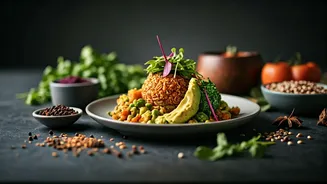
The magic of this trend lies in the 'fusion' aspect. It’s about taking the best of Indian flavours and techniques and applying them to global formats, and vice-versa. Cafes in Mumbai, Bengaluru, and Delhi are leading the charge with inventive menus. Think quinoa upma, millet dosas served with pesto chutney, or sweet potato chaat with a sprinkle of chia seeds. The classic pav bhaji might be deconstructed and served with sourdough, while mushroom galouti kebabs offer a rich, umami-packed alternative to their meat-based counterparts. This isn't about replacing Indian food; it's about expanding its vocabulary. Chefs are creatively substituting meat and dairy with ingredients like cashews for creamy sauces, oats for thickening, and a variety of plant-based milks that are now widely available.
From Niche Cafes to Home Kitchens
While the trend may have started in upscale urban cafes, it is rapidly democratising. The pandemic accelerated the move towards home cooking, and many young Indians used the time to experiment. Food bloggers and YouTubers have become the new gurus, sharing recipes for vegan butter chicken or dairy-free kheer that are accessible to the home cook. The availability of once-niche ingredients, from tofu and tempeh to nutritional yeast and almond flour, in mainstream supermarkets and online stores has been a game-changer. This has allowed the plant-powered fusion movement to percolate from metropolitan hubs into the kitchens of Tier-2 and Tier-3 cities, making it a truly national phenomenon.
A Return to Roots, with a Twist
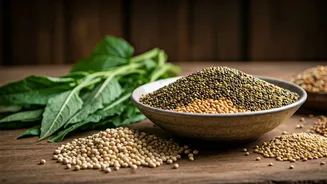
Interestingly, this very modern trend also marks a return to ancient wisdom. Many of the 'superfoods' being celebrated today, such as millets (ragi, jowar, bajra), amaranth, and moringa, have been staples in regional Indian diets for centuries, long before they were sidelined by rice and wheat. The current movement is rediscovering these forgotten grains and greens, celebrating their nutritional benefits and versatility. By incorporating them into modern dishes, young India is not just embracing a global trend but also reconnecting with its own deep agricultural and culinary roots. It’s a full-circle moment, proving that the future of food can often be found by looking thoughtfully into the past.