




The Hidden Sugar Trap
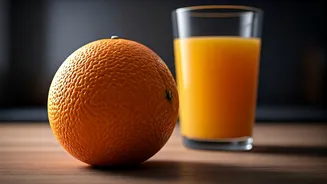
The single biggest issue with fruit juice is sugar. When you eat a whole orange, you consume about 12 grams of natural sugar, but it comes packaged with fibre. To make one small glass of orange juice, you need three to four oranges. Suddenly, that glass contains
nearly 40-50 grams of sugar—equivalent to a can of cola—with none of the fibre to slow its absorption. This concentrated dose of fructose floods your liver, which can contribute to insulin resistance and fat storage over time. While the sugar is 'natural', your body processes it very similarly to added sugar when it's stripped of its fibrous fruit container. This rapid sugar spike and subsequent crash can leave you feeling hungry and tired, not energised.
Where Did All the Fibre Go?
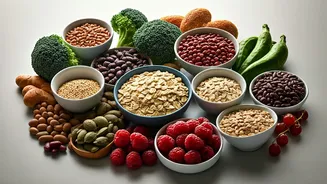
Think of fibre as the fruit's built-in safety mechanism. It’s the structural part of the plant that our bodies can't digest, and it plays a crucial role in our health. Fibre slows down the absorption of sugar into the bloodstream, preventing sharp spikes in blood glucose. It also promotes a feeling of fullness, which helps with weight management. Most importantly, it's essential for a healthy gut microbiome and regular digestion. The process of juicing, whether by squeezing or blending and straining, removes almost all of this beneficial dietary fibre. You’re left with sugar water that has some vitamins, but you miss out on one of the most important health benefits of eating fruit in the first place.
The Problem with Liquid Calories
Our bodies are not wired to register calories from liquids in the same way they do from solid foods. Chewing signals to your brain that you are eating, triggering hormonal responses that lead to satiety. When you drink a 200-calorie glass of juice, your brain doesn't get the same 'I'm full' message as it would if you ate 200 calories' worth of whole fruits. This phenomenon, often called a lack of 'food-form satiety,' makes it incredibly easy to over-consume calories without feeling satisfied. It's why you can easily drink a large glass of juice with your meal, adding hundreds of extra calories without feeling any fuller than you would have otherwise.
Not All Juices Are Created Equal
There's a significant difference between various types of juices. A freshly squeezed juice you make at home is the best of a compromised bunch, as it contains no added sugars or preservatives. Cold-pressed juices claim to retain more nutrients because they don't use heat, but they still lack fibre. The real culprits are the packaged juices found on supermarket shelves. These are almost always pasteurised (heated to kill bacteria and extend shelf life), which can degrade heat-sensitive vitamins like Vitamin C. Worse, many 'fruit drinks' or 'nectars' are not 100% juice and are loaded with added sugar, water, and artificial flavours. Always read the label: if you see 'fruit drink' or ingredients like high-fructose corn syrup, it's a dessert, not a health drink.
The Smarter Way to Enjoy Fruits
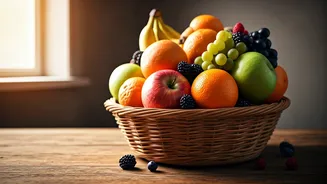
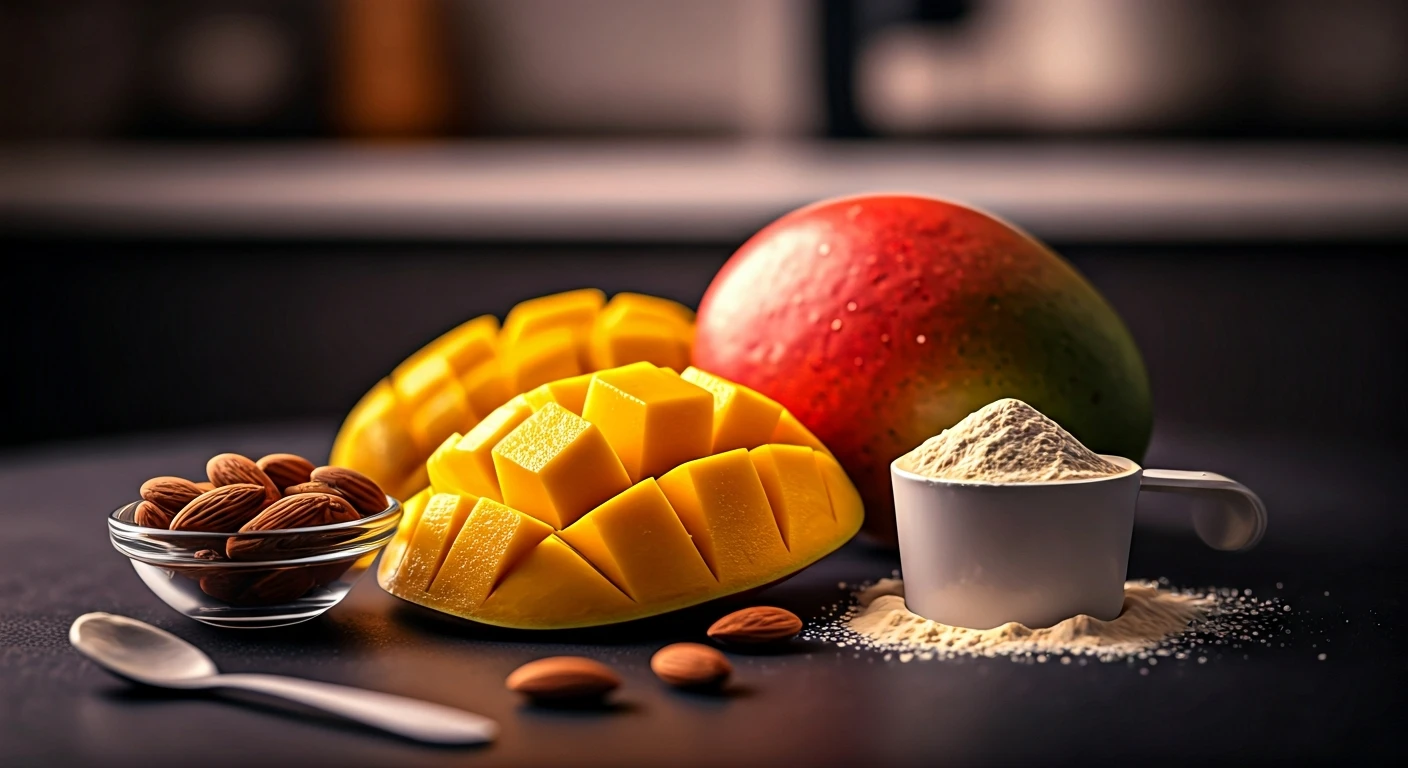
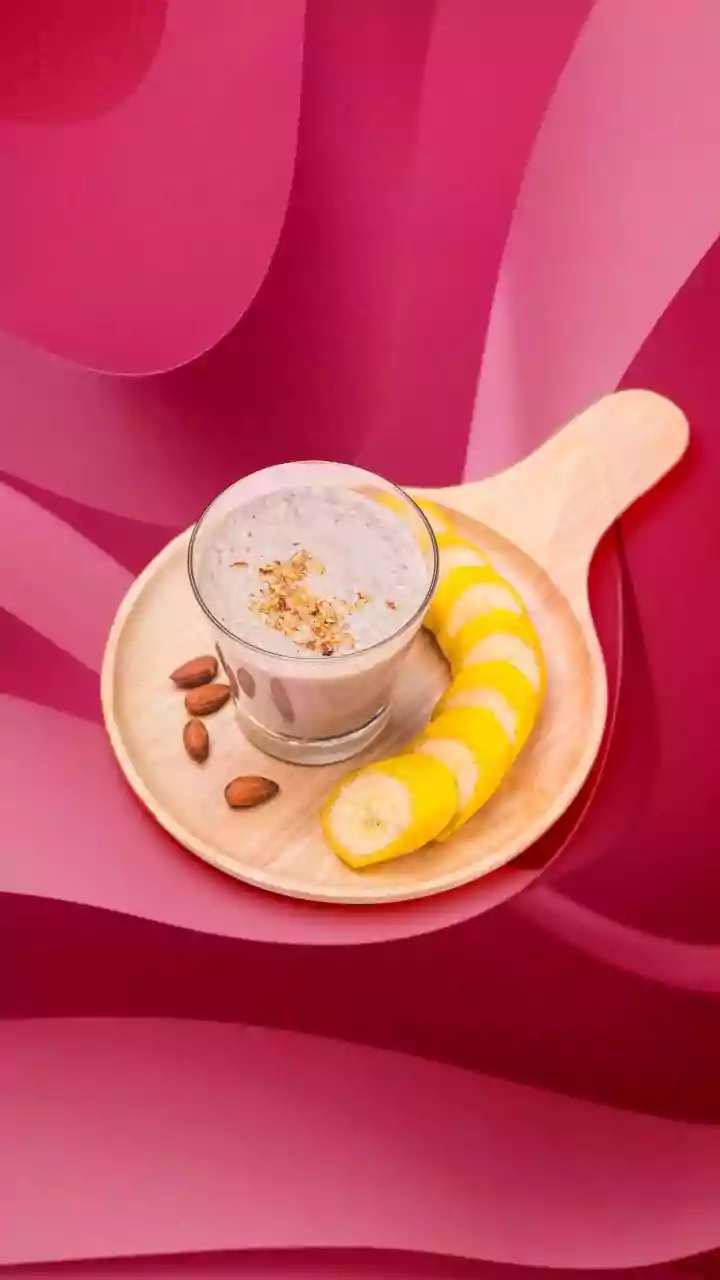
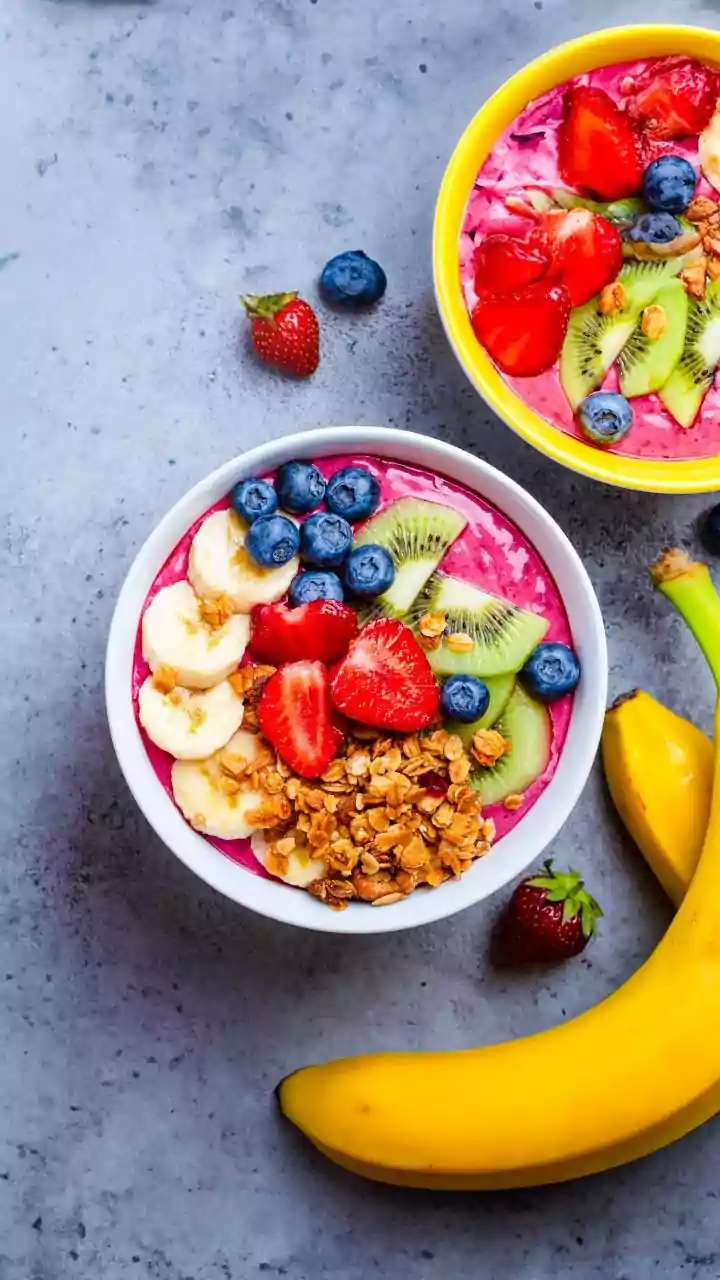
So, should you banish juice forever? Not necessarily. The key is to reframe it as a treat, not a daily health staple. If you love the taste, consider it an occasional indulgence, much like a sweet dessert. For a healthier daily habit, prioritise eating your fruits whole. An apple, a banana, or a bowl of berries will always be nutritionally superior to their juiced counterparts. If you're craving a liquid fruit fix, a smoothie is a much better option. By blending the entire fruit—peel and all, where edible—you retain the all-important fibre, making it a more balanced and filling choice. You can also boost its nutritional profile by adding yoghurt, seeds, or leafy greens.