


Bishnupur: The Land of Terracotta
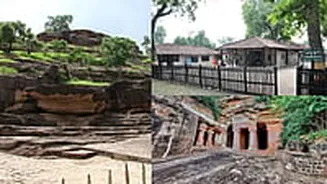
Bishnupur, the capital of the Malla kings from the 16th to the 19th century, is a must-visit for its unique terracotta temples. These structures, built from the region's rich laterite soil, are covered in intricate baked clay panels depicting scenes from Hindu
epics like the Ramayana and Mahabharata, as well as the life of Lord Krishna. The Malla rulers' conversion to Vaishnavism spurred a golden age of temple construction, leaving behind an architectural legacy found nowhere else. A weekend trip is ideal to immerse yourself in the town's artistic heritage. Start your exploration at the Rasmancha, a unique pyramidal structure from 1600, used for showcasing idols during the Rasa festival. Other unmissable temples include the Jorbangla Temple, with its classic Bengali twin-hut roof design, and the five-spired Shyam Rai Temple, both celebrated for their stunning terracotta artwork. The Madan Mohan Temple, still an active place of worship, also showcases delicate carvings.
Planning Your Bishnupur Trip
Reaching Bishnupur is convenient for a short getaway. The most efficient way is by train from Kolkata's Howrah Station, with services like the Rupashi Bangla Express taking around three to four hours. Driving is also an option, covering a distance of about 140-200 km in roughly four to five hours, though train travel is often faster and more comfortable. Once there, the best way to navigate the temple complexes is by hiring local cycle-rickshaws or e-rickshaws (totos), which can easily take you from one site to another. For a complete cultural experience, consider visiting the workshops of artisans who create the famous Bankura horse terracotta figures and see weavers craft beautiful Baluchari silk sarees, which often feature motifs inspired by the temple carvings. The best time to visit is between October and March when the weather is pleasant for sightseeing.
Murshidabad: Echoes of the Nawabs
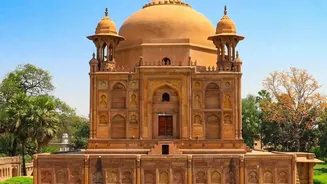
For a journey into the opulent and dramatic past of Bengal's last independent rulers, a trip to Murshidabad is essential. Once a city as prosperous as London, it was the seat of the Nawabs of Bengal before the British took control. The city is dominated by the magnificent Hazarduari Palace, or the 'Palace with a Thousand Doors', a 19th-century marvel that now serves as a museum housing an incredible collection of artifacts, armoury, and vintage carriages belonging to the Nawabs. Beyond the palace, explore the Nizamat Imambara, the largest of its kind in Bengal, and the Katra Masjid, which holds the tomb of the city's founder, Murshid Quli Khan. A short boat ride across the Bhagirathi river will take you to Khoshbagh, the serene garden cemetery where Nawab Siraj-ud-Daulah is buried. Other notable sights include the Kathgola Palace, a sprawling estate with a beautiful Jain temple, and the massive Jahan Kosha cannon.
Planning Your Murshidabad Trip
Murshidabad is about 200 km from Kolkata and can be reached by both train and road. Several express trains, like the Hazarduari Express and Bhagirathi Express, run from Kolkata's Sealdah station, taking approximately four to five hours. By road, the drive via NH12 takes about five to six hours. While a long day trip is possible if you start very early, an overnight stay is highly recommended to explore the sites at a relaxed pace. The city's attractions are spread out, and using local e-rickshaws (totos) or horse-drawn carriages (tangas) is the best way to get around. Remember that the Hazarduari Palace is closed on Fridays, so plan your trip accordingly. The ideal time to visit is during the cooler months from October to March. A visit to Murshidabad offers not just a glimpse of palaces, but a deep dive into the history that shaped modern India.