







The Tyranny of the Checklist
We’ve all been there. You land in a new city armed with a meticulously researched, color-coded itinerary. You have a list of must-see sights, must-eat foods, and must-take photos. The trip becomes a mission, a scavenger hunt for experiences validated
by guidebooks and Instagram feeds. There’s a certain satisfaction in ticking off the boxes—the Eiffel Tower, the Colosseum, the Golden Gate Bridge. You’ve ‘done’ the place. But when the dust settles and you’re back home, which moments truly stick? Often, the hyper-planned highlights blur into a generic montage. Psychologists have a concept for this: when an experience is too predictable, our brains don't have to work as hard. We see what we expected to see, and the memory forms a shallow, well-worn groove. It’s like watching a movie for the tenth time. You know the lines, you know the ending, and while it might be pleasant, it rarely feels profound. The pressure to have a 'perfect' experience can ironically prevent us from having a truly memorable one.
The Brain's Love for the Unexpected
Our brains are wired for novelty. When we encounter something new, surprising, or challenging, our prefrontal cortex lights up, and a rush of dopamine—the 'feel-good' neurotransmitter—is released. This chemical reward system does more than just make us feel engaged; it essentially tells our hippocampus, the brain’s memory center, 'Hey, pay attention! This is important.' This is why the wrong turn that leads to a breathtaking, un-Googled scenic overlook becomes an unforgettable moment. It's why the conversation with a shopkeeper who recommends a local bakery—one with no online footprint but the best pastries of your life—becomes a core memory. These aren't just happy accidents; they are neurological events. The element of surprise forces us into the present moment. We aren't just observing a scene; we are actively processing it, creating a richer, thicker, more durable memory.
Redefining 'Hidden Places'
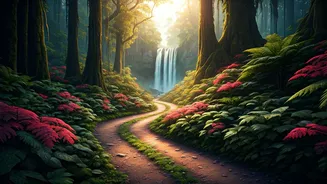
The phrase 'hidden places' doesn't have to mean trekking to a remote monastery or finding a secret, unmarked beach. That’s a romantic, but often impractical, ideal. A hidden place can be found a block away from the tourist-choked main square. It's the family-run trattoria instead of the one with the laminated, multi-language menu. It’s the small, quirky museum dedicated to a single craft instead of the sprawling national institution with three-hour lines. It’s a mindset more than a location. It's about choosing curiosity over convenience. It's the willingness to be a little lost, to follow a sound or a scent, to put the phone away and simply look up. These are the moments where serendipity lives. The experience becomes yours and yours alone, not a pre-packaged commodity consumed by thousands of others in the exact same way. That personal sense of discovery is the secret ingredient that makes a memory last.
How to Cultivate Serendipity
You can't schedule a happy accident, but you can create the conditions for one to happen. The next time you travel, try building 'empty space' into your itinerary. Leave an entire afternoon unplanned. Instead of mapping a route from A to B, decide to walk and see where the city takes you. Use public transportation without a firm destination in mind, just to see a different neighborhood. Ask for recommendations, but be specific. Instead of asking 'Where is a good place to eat?', try asking the hotel concierge or a barista, 'Where do you go for a casual weeknight dinner with your friends?' The slight rephrasing shifts the answer from a rehearsed tourist recommendation to a genuine local insight. It's about making small bets on the unknown. More often than not, these small deviations from the plan are what pay the biggest dividends in a currency that truly matters: lasting, meaningful memories.