





Step 1: The Great Closet Empty-Out
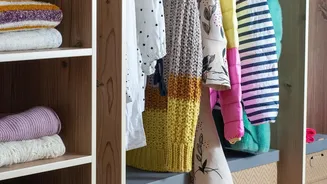
The first step to understanding what you have is to see it all at once. Take every single piece of clothing out of your closet, drawers, and any other storage spots. This might seem daunting, but creating a clean slate is a crucial mental and physical
reset. Pile everything onto your bed or a clean floor. The visual impact of seeing the sheer volume of your clothes is often a powerful motivator to become more mindful about your wardrobe. This initial step prevents you from overlooking items tucked away in corners and gives you a true inventory to work with.
Step 2: Group and Confront Your Duplicates
Now, begin sorting. Create categories by type: group all your T-shirts together, all your jeans, all your formal shirts, and so on. This is the moment of truth. You will immediately see where your buying habits have led to repetition. Perhaps you’ll discover you own seven nearly identical black T-shirts or five pairs of similar blue jeans. Don't judge yourself; just observe. This visual evidence is key to understanding your patterns. Seeing your personal shopping habits laid bare is the most effective way to convince yourself that you don't need another version of what you already have in abundance.
Step 3: Define Your Real-Life Wardrobe Needs
A functional wardrobe is one that serves your actual life, not an imaginary one. Think about your typical week or month. What activities do you regularly get dressed for? Make a list: work, errands, gym, evenings out, lounging at home, special occasions. Assign a rough percentage of your time to each activity. Now, look at your sorted piles of clothes. Does the composition of your wardrobe match your lifestyle? If you spend 80% of your time in a casual work-from-home setting but 50% of your wardrobe consists of formal wear, there's a disconnect. This analysis helps you see where your closet is over-represented and, more importantly, under-represented.
Step 4: Identify the True Gaps
With a clear picture of what you own and what your lifestyle requires, you can now spot the genuine gaps. A wardrobe gap isn't just a desire for something new; it's a missing piece that prevents you from wearing other items you own. For example, you might have several beautiful skirts but no versatile tops to pair them with, rendering them 'wardrobe orphans'. Or perhaps you have great kurtas but lack a pair of comfortable, well-fitting trousers to wear with them. A gap might also be a foundational piece, like a classic jacket that could tie multiple outfits together. Note down these specific missing items.
Step 5: Create a Targeted Shopping List
Instead of shopping on impulse, you will now shop with purpose. Use the list of gaps you identified to create a specific, prioritised shopping list. For each item, be detailed about what you need—for instance, instead of just 'a shirt', write 'a white linen button-down shirt for casual weekend wear'. This prevents you from getting distracted by sales or items that are cute but don't fill a need. When you do shop, refer to this list. This intentional approach ensures that every new purchase is a solution that unlocks more potential in your existing wardrobe rather than just adding to the clutter.
Step 6: Maintain Your Intentional Wardrobe
Once your closet is organised and edited, the goal is to keep it that way. One popular strategy is the 'one-in, one-out' rule. For every new item you bring into your wardrobe, an old one must go. This forces you to be more critical of new purchases and prevents your closet from becoming overstuffed again. Another tip is to regularly 'shop your own closet' by creating new outfit combinations with the pieces you already have. This can spark creativity and reduce the urge to buy something new for a quick dopamine hit. By shifting your mindset from consumption to curation, you build a lasting and satisfying style.