








The Principle of Continuity
In Israel's political system, the period after an election is called or a government loses a no-confidence vote is managed by a transitional, or 'caretaker', government. This isn't a formal title found in the country's Basic Laws, which function like
a constitution. Instead, the law mandates 'continuity' to prevent a power vacuum, stating the outgoing government continues its duties until a new one is formed. This means that officially, a caretaker government holds the same legal powers as a regular one. It can, in theory, manage diplomacy, oversee ministries, and even make decisions about war. The core idea is that the state must always have a functioning executive branch.
The Doctrine of Restraint
While the law grants full authority, a crucial set of limits comes from Israel's Supreme Court. Through past rulings, the court has established a principle known as the 'duty of restraint'. This doctrine holds that a caretaker government, because it no longer enjoys the confidence of the Knesset (Israel's parliament), must exercise its powers with more caution and narrower discretion than a government with a clear mandate. It must avoid making major, irreversible decisions that could tie the hands of the next administration, unless there is a 'vital public need for action'. This creates a fundamental tension: the law provides full power, but judicial precedent demands it be used sparingly.
Where Powers Are Curtailed
The duty of restraint has the most significant impact in a few key areas. The most stringent restrictions apply to making senior public appointments, such as a police chief or a new head for a government committee. The court has taken a dim view of caretaker governments locking in long-term appointees, arguing it unfairly hinders the next elected government's ability to implement its own policies. In one case, the High Court of Justice annulled the full eight-year appointment of a committee chair made during an election period, ruling a temporary appointment would have been more reasonable. Similarly, major economic decisions that create long-term financial commitments, sometimes referred to as 'election economics', are also heavily scrutinized to prevent the outgoing government from essentially bribing voters or burdening its successor.
Security and the Ultimate Exception
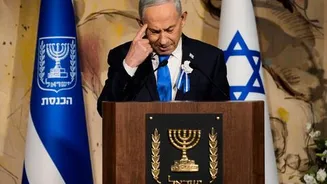
The clearest exception to the rule of restraint is in national security. A caretaker prime minister and their security cabinet retain the authority to take significant military action, including actions that could lead to war. While the law requires a cabinet decision for such a move, the Supreme Court has historically avoided intervening in these decisions, especially when presented as a pressing security necessity. This has been a point of sharp political debate, particularly during recent transition periods involving Benjamin Netanyahu. Opponents have often warned that a prime minister without a democratic mandate should not be able to make such monumental decisions, while supporters argue that security threats don't wait for political timelines. This power, to direct the military with diminished parliamentary oversight, is arguably the most potent and controversial one a caretaker prime minister holds.