


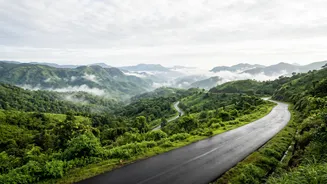
Before You Start: A Monsoon Car Check
A safe journey begins before you even turn the key. The challenging conditions of monsoon driving mean your vehicle must be in top shape. First, inspect your tyres. They are your only connection to the slippery road, so ensure they have adequate tread
depth—at least 3mm is recommended. Worn tyres dramatically increase the risk of skidding. Also, check the tyre pressure, including the spare. Next, test your brakes. If they feel spongy or make unusual noises, get them inspected immediately. Finally, ensure your visibility systems are working perfectly. This means fresh wiper blades that clear the windshield without streaking, and fully functional headlights, tail-lights, and fog lamps. Topping up your windshield washer fluid is a small step that makes a big difference in clearing away mud and grime.
Battling Blind Spots: Driving in Low Visibility
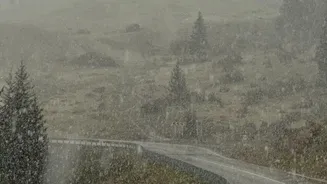
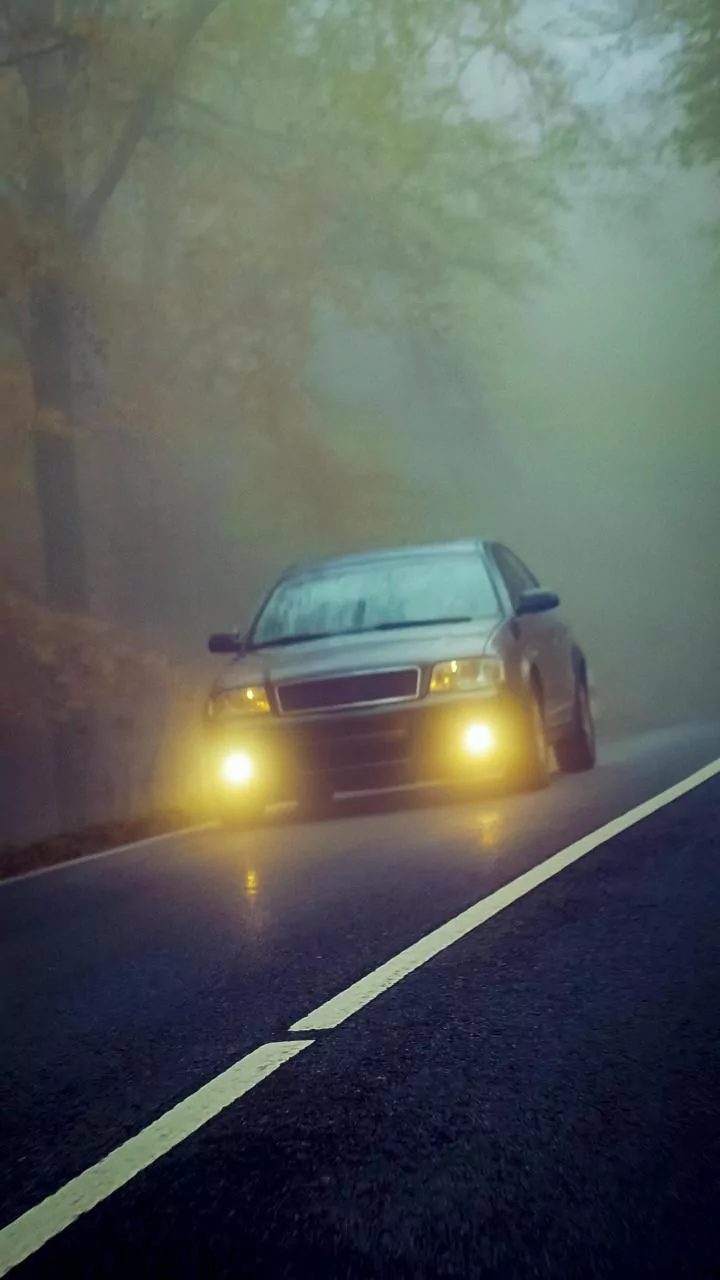
Heavy rain and dense fog are hallmarks of hill driving in the monsoon, drastically reducing visibility. The most important rule is to slow down. This gives you more time to react to hazards. Always drive with your low-beam headlights on. Many drivers mistakenly think high beams will help, but they actually reflect off the rain and fog, making it even harder to see. If your car has fog lamps, use them. Maintain a much larger following distance than you normally would—at least five to six seconds behind the vehicle in front. This is because stopping distances can be two to three times longer on wet roads. In extremely dense fog or a blinding downpour, the safest option is to pull over. Find a safe spot away from the road, turn on your hazard lights, and wait for conditions to improve.
The Treacherous Tarmac: Handling Slippery Roads
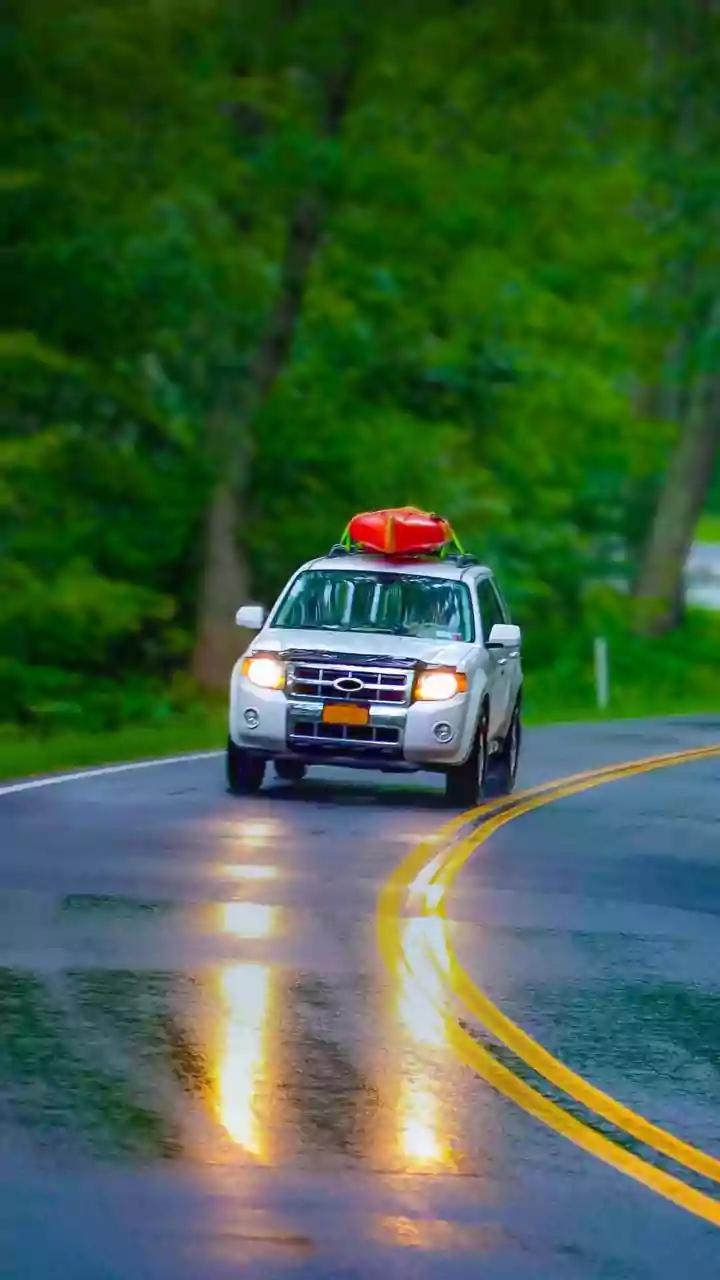
Rain mixes with oil and dirt on the road, creating an exceptionally slick surface, especially during the first rains of the season. This condition makes skidding and hydroplaning—where your tyres lose contact with the road and glide on a layer of water—a major risk. To prevent this, reduce your speed significantly. Avoid any sudden manoeuvres. All your inputs, from accelerating and braking to steering, should be smooth and gradual. If you need to slow down, gently pump the brakes or use engine braking, especially on steep declines. Slamming the brakes can cause the wheels to lock and the car to skid. If you do start to skid, stay calm. Steer gently in the direction you want the car to go, and avoid hitting the brakes hard.
Special Hill Hazards: Landslides and Water Crossings
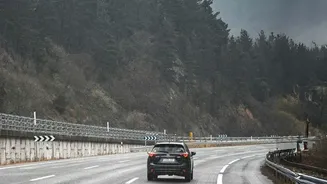
Hill driving in the monsoon presents unique dangers beyond slippery roads. Landslides are a serious threat. Be vigilant for warning signs like cracking trees, falling rocks, or changes in water flow on slopes. Listen for unusual rumbling sounds. If you see a landslide ahead, do not try to outdrive it; stop and assess if you can safely turn back. If caught in a slide, stay inside your vehicle; it offers protection. Another common hazard is waterlogged roads or streams crossing the road. Never attempt to drive through a flooded patch if you cannot judge its depth. Water can enter and destroy your engine and electrical systems. It's always better to turn around and find an alternative route.
Your Emergency Kit: What to Pack
Even with careful preparation, things can go wrong. Being stranded in a remote, rainy location is much safer if you have an emergency kit. Your kit should include a powerful flashlight, a first-aid kit, a tow rope, and jumper cables. Also pack a tyre inflator and a puncture repair kit. Since you may be waiting for a while, having an umbrella, extra food, drinking water, and a phone charger or power bank is crucial. A reflective warning triangle is essential to alert other drivers if your car breaks down in a low-visibility area. These simple items can be lifesavers during an unexpected breakdown or road closure.