


Why Use a Plastic Bottle?
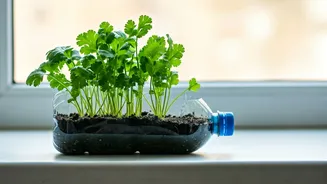
Before you toss that empty 2-litre soda or water bottle into the recycling bin, consider giving it a second life. Repurposing plastic bottles into planters is a fantastic way to engage in sustainable living. It's a cost-effective solution for aspiring
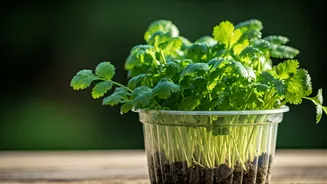
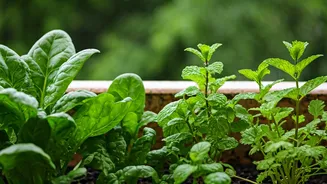
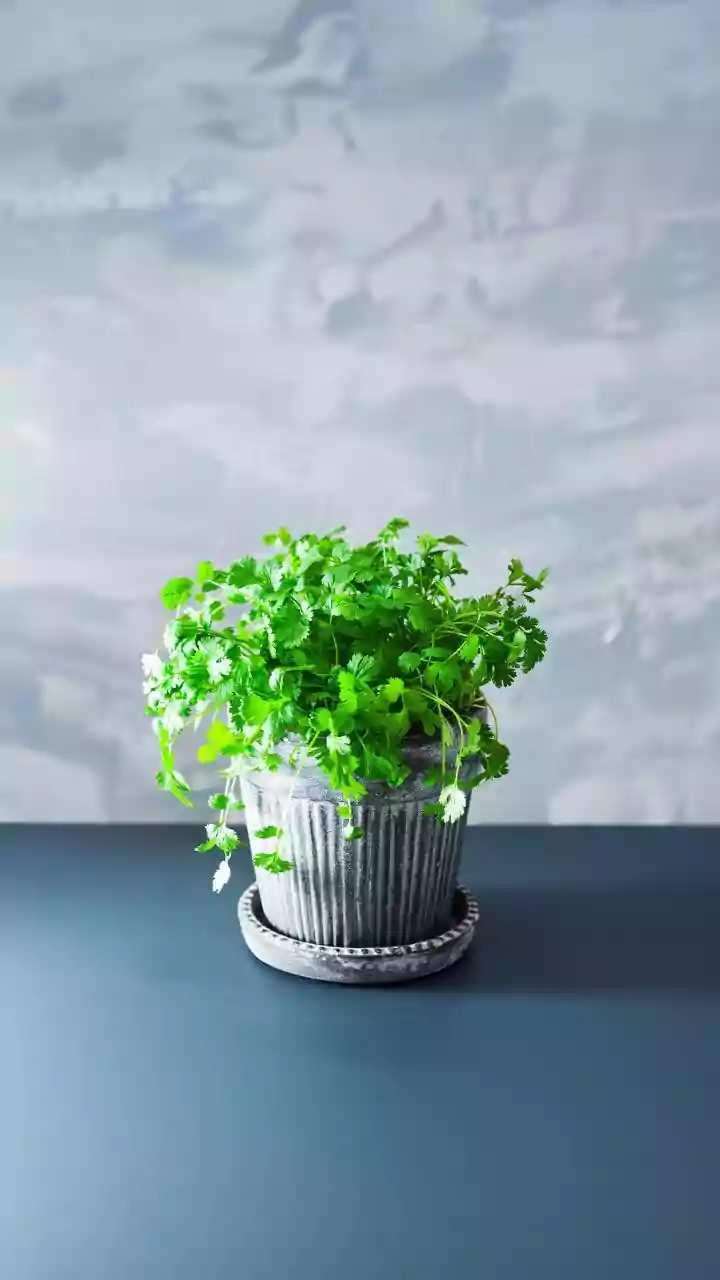
gardeners, eliminating the need to buy new pots. The project is incredibly beginner-friendly and suitable for all ages, requiring minimal tools and skills. Furthermore, these DIY planters are perfect for small spaces like apartment balconies or sunny kitchen windowsills, allowing you to create a compact, vertical garden for fresh herbs like coriander.
Gathering Your Materials
The beauty of this project lies in its simplicity, using items you likely already have at home. You won’t need any expensive equipment. Here’s a basic list of supplies to get your coriander garden started: a clean 1-litre or 2-litre plastic bottle, a sharp craft knife or scissors, good quality potting soil, coriander seeds, and water. For an optional self-watering system, you’ll also need a piece of cotton string or twine. A marker can also be helpful for making clean cutting lines.
Preparing Your Bottle Planter
First, thoroughly rinse the plastic bottle and remove any labels. For a simple planter, carefully use your scissors or craft knife to cut the bottle in half horizontally. The bottom part will serve as your planter. You will need to poke a few small drainage holes in the base to prevent waterlogging, which can lead to root rot. For a more advanced, self-watering version, cut the bottle so the top section is slightly shorter than the bottom. Poke a hole in the bottle cap, thread a piece of twine through it to act as a wick, and then screw the cap back on. The top section of the bottle is then inverted and placed inside the bottom section, which will serve as a water reservoir.
Planting the Coriander Seeds
Coriander seeds are technically a fruit containing two seeds, and splitting them can improve the germination rate. You can do this by gently pressing them under a flat surface. However, planting them whole also works well. Fill your prepared bottle planter with a well-draining potting mix, leaving about an inch of space at the top. Sow the seeds about half an inch deep, spacing them out to give them room to grow. Gently cover them with a thin layer of soil. After planting, water the soil lightly, ensuring it's moist but not soggy.
Caring for Your Coriander Plant
Place your bottle planter in a spot where it will receive at least 4-6 hours of sunlight daily, like a sunny windowsill. Coriander prefers cool weather, so avoid exposing it to intense, direct afternoon sun, which can cause the plant to 'bolt' or flower prematurely. Keep the soil consistently moist by watering regularly, but be careful not to overwater. If you created a self-watering planter, simply ensure the bottom reservoir has water; the wick will draw moisture up to the soil as needed. Germination typically occurs within 7 to 15 days.
Harvesting Your Fresh Coriander
Your coriander should be ready for its first harvest in about 40 to 45 days. You can start picking the outer leaves once the plant is well-established. Regularly harvesting encourages new growth, ensuring a continuous supply. Simply snip off the stems near the base as needed for your cooking. The leaves have the best flavour when used fresh. By sowing a new bottle planter every few weeks, you can create a successional harvest and enjoy fresh coriander year-round.