







Understanding the Kharif Season
The term 'Kharif' has Arabic origins, meaning 'autumn', because the crops sown during this period are harvested in the autumn months. In India, the Kharif season is synonymous with the monsoon. It typically begins in June with the arrival of the southwest
monsoon rains and extends until October. This season provides ample water and favourable humidity, making it a crucial period for agriculture, and as it turns out, for home gardening as well. While large-scale farming focuses on staples like rice, maize, and cotton, urban gardeners can harness this season to grow a variety of vegetables and greens right at home.
The Rise of the Urban Gardener
Across India's metros, a quiet but powerful green revolution is taking place on rooftops, in balconies, and on windowsills. This surge in urban agriculture is driven by a desire for fresh, pesticide-free produce and a need to connect with nature in a concrete environment. The trend isn't just a hobby; it reflects a broader shift towards sustainable living and food self-sufficiency. Initiatives are converting underused urban spaces into community gardens, and technology is making it easier than ever for beginners to get started with smart irrigation and vertical planters. This growing community of city-based growers is now rediscovering the wisdom of seasonal planting.
Why Monsoon Timing Is Critical
While the monsoon provides abundant water, it also presents unique challenges for the home gardener. Success during the Kharif season hinges on understanding and managing these conditions. The primary risk is waterlogging. Unlike in summer, when soil dries out quickly, monsoon soil can remain saturated, leading to root rot and suffocating plants. High humidity also creates a breeding ground for fungal diseases and pests. This is why simply planting seeds isn't enough. The key is to sow at the right time, typically at the start of the rains, and to prepare your containers for the challenges ahead. Getting the timing right ensures your plants are established enough to withstand both heavy downpours and the eventual withdrawal of the monsoon.
Top Kharif Vegetables for Your Home
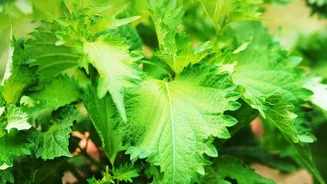
You don’t need a large plot to enjoy a Kharif harvest. Many vegetables thrive in pots and containers. Okra (bhindi) is a monsoon favourite that grows well in deep pots. Gourds of all kinds—like bottle gourd (lauki), bitter gourd (karela), and ridge gourd (turai)—are classic Kharif crops, though climbers will need a trellis for support. Beans, especially cowpea (lobia), also flourish in the warm, moist weather. For those with slightly less sun, many leafy greens can also be grown. The key is to choose varieties that are suited to the humidity and to ensure your containers are large enough.
Essential Monsoon Gardening Tips
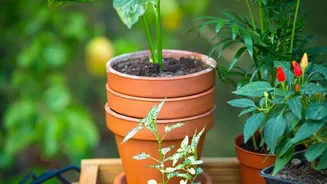
To ensure your Kharif garden thrives, focus on a few key preparations. First, prioritise drainage. Use a light, airy potting mix, often a combination of soil, cocopeat, and compost, which allows excess water to escape. Ensure your pots have plenty of drainage holes and elevate them slightly off the ground to prevent water from pooling underneath. Second, adjust your watering schedule. Never water on a fixed routine during monsoon; instead, check the soil moisture first. Finally, ensure good air circulation around your plants to keep fungal diseases at bay, and secure any trellises or tall plants against strong winds.