






The Body's Processing Plant
When you swallow a painkiller, its journey is just beginning. To provide relief, the active ingredients must be absorbed into your bloodstream and metabolised. This crucial task falls primarily to the liver, your body’s main detoxification and processing
organ. The liver uses a family of enzymes, most notably the cytochrome P450 system, to break down drugs. This process either activates the drug so it can perform its job or converts it into water-soluble compounds that your body can easily exc rete. The efficiency of these liver enzymes can vary from person to person, influencing how quickly a drug works and how long its effects last. For some, this system is highly efficient; for others, it’s slower, which can alter a medication's impact.
The Gut's Hidden Role
Before a painkiller even reaches the liver, it must pass through the gut, which is home to trillions of microorganisms known as the microbiome. This bustling internal ecosystem isn't just a passive bystander; it actively influences your health and can even interact with medications. Research shows that certain gut bacteria can metabolise drugs themselves, sometimes breaking them down before your body has a chance to absorb them fully. This means a portion of the medication might be neutralised or altered by your gut microbes. Some common non-antibiotic drugs, including ibuprofen and paracetamol, have been found to stress gut bacteria, which can in turn alter their behaviour and composition. This two-way street means your unique microbial fingerprint plays a silent but significant role in determining a drug’s ultimate availability and effect.
The Gut-Liver Superhighway
The gut and liver are intricately connected through a communication network called the gut-liver axis. Nearly everything absorbed through your gut travels directly to the liver via a large blood vessel known as the portal vein for processing. When your gut is healthy, its lining forms a strong barrier, carefully controlling what passes through. However, if the gut microbiome is out of balance—a state called dysbiosis—this barrier can become more permeable, sometimes referred to as 'leaky gut'. This allows bacterial byproducts and inflammatory molecules to 'leak' from the intestine and travel to the liver, placing it under increased stress. This constant low-grade inflammation can impair the liver's ability to perform its many jobs, including metabolising medications effectively.
What This Means for Pain Relief
The health of your gut-liver axis directly impacts how you respond to pain medication. If your liver is already working overtime to process inflammatory signals from an unhealthy gut, its capacity to handle drugs can be reduced. This can lead to two potential outcomes. First, the medication may be processed less efficiently, reducing its pain-relieving effects. Some drugs, like codeine, need to be converted into their active form (morphine) by the liver; impaired liver function can compromise this process. Second, it can increase the risk of side effects. For drugs like paracetamol, an overburdened liver may struggle to neutralise toxic byproducts produced during metabolism, potentially increasing the risk of liver strain. Similarly, long-term use of NSAIDs like ibuprofen can harm the gut lining and disrupt the microbiome, creating a cycle of inflammation that further burdens the liver.
Supporting Your Inner Ecosystem
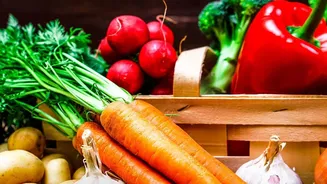
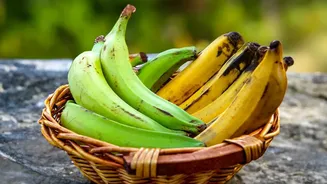
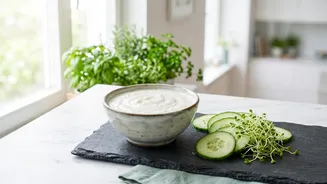
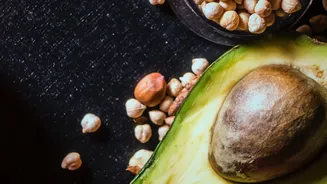
While you can't change your genetics, you can influence your gut and liver health through diet and lifestyle. Supporting your microbiome doesn't require extreme measures. A diet rich in diverse, fibre-filled plant foods—like fruits, vegetables, whole grains, and legumes—provides fuel for beneficial gut bacteria. These bacteria, in turn, produce compounds like short-chain fatty acids that help strengthen the gut barrier and reduce inflammation. Fermented foods like yogurt and kimchi introduce beneficial probiotics into your system. Conversely, a diet high in processed foods and sugar can feed less desirable microbes, contributing to an imbalance. Limiting alcohol, staying well-hydrated, and managing stress are also key pillars of maintaining both gut and liver health, creating a more resilient internal environment.