




The Irresistible Allure of Monsoon Trekking
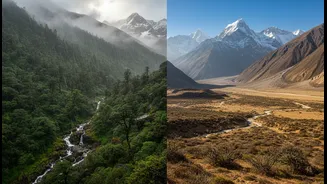
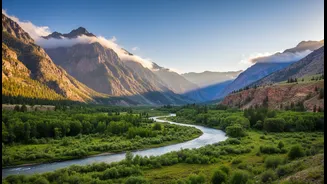
There's a unique magic to trekking in the monsoon. The air is fresh with the scent of wet earth, valleys turn a vibrant green, and waterfalls cascade with renewed vigour. [11, 13] For many, the cooler temperatures and quieter trails are a welcome relief
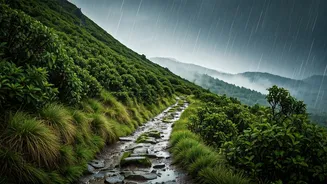
from the summer heat. [19] Popular treks in the Himalayas, like the Valley of Flowers, and trails in the Western Ghats, such as Sinhagad Fort, come alive during this season, offering scenery that looks like it's straight out of a painting. [16, 23] However, this beauty is coupled with challenges like slippery paths, reduced visibility, and unpredictable weather. [11, 19]
Plan Before You Pack
Preparation is the most critical step for a safe monsoon trek. Start by choosing your trail wisely. Opt for well-marked routes and avoid areas known for landslides and flash floods. [17, 21] Some trails may even be officially closed by forest departments, so always verify permits. [11] Check the weather forecast obsessively using reliable sources like the Indian Meteorological Department (IMD) in the days leading up to your trek. [3, 11] Always inform a friend or family member of your detailed itinerary, including your expected return time. [18] Finally, trekking in smaller groups is advisable, and going alone should be strictly avoided. [11, 25]
Gear Up for the Elements
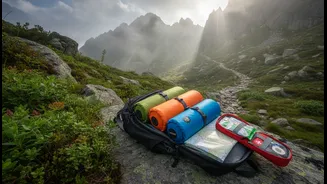
The right gear is non-negotiable. Your most important investment is a pair of waterproof trekking shoes with excellent grip to handle slippery, muddy trails. [5, 14] Avoid regular sports shoes. [11] For clothing, skip cotton entirely as it absorbs water and takes ages to dry. [5, 14] Instead, opt for quick-drying synthetic fabrics and wear them in layers. [10] A high-quality poncho or a waterproof jacket and pants are essential to keep you and your backpack dry. [2, 15] Use a waterproof backpack cover and pack electronics and extra clothes in dry bags or plastic bags for added protection. [2, 13] A trekking pole is highly recommended for maintaining balance on tricky terrain. [5, 10]
Navigating On-Trail Hazards
Once on the trail, vigilance is key. Slippery rocks and muddy slopes are the most common dangers. [7] Test your footing before committing your full weight, and use your trekking pole for support. [21] Be extremely cautious when crossing streams, as water levels can rise rapidly. [7, 25] Another common feature of monsoon treks, especially in forests, is leeches. While mostly harmless, they can cause panic. [6] To prevent bites, wear long socks and tuck your pants into them. [4] You can also apply repellents or a mixture of salt or lemon juice on your shoes and socks. [6] If a leech does attach, don't pull it off forcefully. Instead, use your fingernail to break its suction or sprinkle salt on it, which will make it fall off. [4, 8]
Carry a Well-Stocked First-Aid Kit
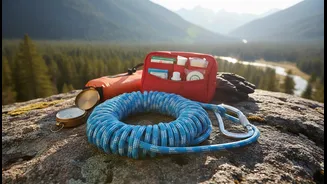
A comprehensive first-aid kit is crucial. Beyond the standard bandages and antiseptic wipes, your monsoon kit should include items for common trail injuries like sprains and blisters. [5, 10] Pack antiseptic liquid like Dettol or Savlon, which can be used to clean wounds from leech bites. [6, 8] Also include pain relievers, ORS sachets to combat dehydration, and any personal medications. [11] Being prepared for minor injuries ensures they don't escalate into bigger problems, especially when you are in a remote area.