





What's in the Water?
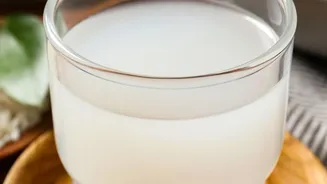
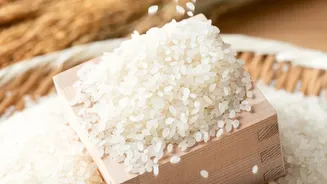
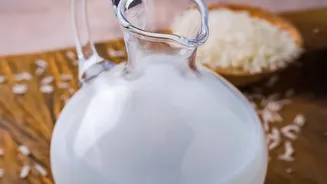
The milky water left after rinsing rice is packed with starches, which serve as a food source for beneficial soil microbes. These microorganisms help break down organic matter, making nutrients more available to plant roots. Beyond starch, rice water contains
small amounts of nitrogen, phosphorus, and potassium (NPK)—the primary nutrients in most fertilisers—as well as essential B vitamins and trace minerals like magnesium and zinc. While it's not a replacement for a balanced fertiliser, it acts as a mild, natural supplement that supports overall plant health and growth.
Plain vs. Fermented: Which Is Better?
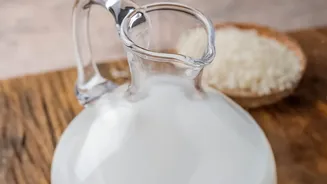
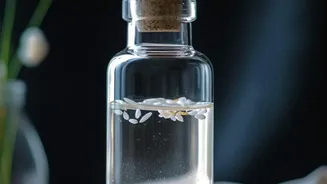
You can use rice water in two ways: fresh or fermented. Fresh rice water, from the first one or two rinses, is the simplest option. It’s gentle enough to be used immediately without dilution. Fermented rice water, however, is significantly more potent. By letting the water sit for a few days, you allow beneficial bacteria like lactobacilli to multiply. This process increases the nutrient concentration and lowers the pH, making it particularly good for acid-loving plants like tomatoes and roses. Studies have shown that fermented rice water can boost plant growth even more effectively than its fresh counterpart.
How to Use It Correctly
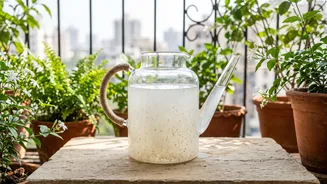
For fresh rice water, simply collect the liquid from rinsing uncooked, unsalted rice and use it to water your plants once or twice a week instead of plain water. To make fermented rice water, let the cloudy liquid sit in a loosely covered jar at room temperature for two to five days, or until it develops a slightly sour smell. This fermented liquid is powerful and must be diluted. A common recommendation is to mix one part fermented rice water with 5 to 10 parts plain water. Apply this diluted mixture to the base of your plants every two to four weeks during their growing season.
Potential Risks and Best Practices
While rice water is beneficial, moderation is key. Overuse can lead to a build-up of starch on the soil surface, which can harden and prevent oxygen from reaching the roots. This starchy residue may also attract pests like fungus gnats and ants. To avoid these issues, always let the soil dry out between applications and don't use it on every watering. Never use water from cooked or salted rice, as the high starch content and salt can harm your plants. Also, be mindful that some plants, like succulents and cacti, prefer drier conditions and may not benefit from the added moisture and starch. If you notice any mould or unpleasant odours, reduce the frequency of use.