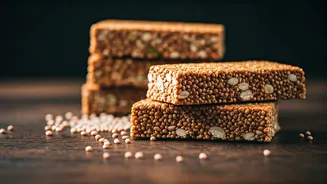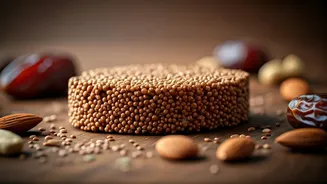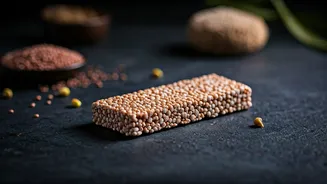









The Ancient Superfood Reimagined
Ragi, also known as finger millet or nachni, is no stranger to Indian kitchens. For generations, it has been celebrated as a humble yet powerful grain, often used to make rotis, porridges, and dosas. What makes this ancient staple so special is its dense
nutritional profile. Ragi is a natural powerhouse of calcium, boasting amounts significantly higher than most other cereals. It's also rich in dietary fibre, which aids digestion and promotes a feeling of fullness, and packed with essential amino acids like Tryptophan, Threonine, and Methionine, which are the building blocks of protein. This isn't just another health fad; it's a return to the time-tested wisdom of our ancestors, now conveniently packaged for our fast-paced modern lives.
Why Sprouting Changes Everything
The real magic happens when ragi is sprouted. Sprouting is the natural process of germination, where the seed comes to life. This simple act of soaking and germinating the grain for a day or two fundamentally transforms its nutritional value. The process breaks down complex starches into simpler sugars, making the grain easier to digest. More importantly, it neutralizes phytic acid, an anti-nutrient that can bind to minerals like calcium, iron, and zinc, preventing their absorption. By sprouting the ragi, we ‘unlock’ these vital nutrients, making them more bioavailable for your body to use. It also increases the levels of certain vitamins and antioxidants. So, a sprouted ragi bar isn’t just a ragi bar; it’s a supercharged version, optimized for maximum nutritional impact.
The Perfect Pre-Workout Fuel
The term ‘legitimately’ in the context of workout fuel means getting energy without the junk. Many commercial energy bars deliver a quick hit of energy through refined sugars, leading to a rapid spike in blood sugar followed by an inevitable crash mid-workout. Sprouted ragi bars work differently. They are rich in complex carbohydrates, which break down slowly and provide a steady, sustained release of energy. This prevents energy slumps and helps you maintain your performance levels throughout your entire session, whether you're lifting weights, running, or doing yoga. Eating a sprouted ragi bar about 30-60 minutes before your workout gives your body the high-quality, slow-burning fuel it needs to perform at its peak without the jitters or the crash.
Accelerating Post-Workout Recovery
Your nutritional needs don't stop when your workout does. The post-workout window is a critical time for recovery and muscle repair. This is another area where sprouted ragi shines. The amino acids present in the grain contribute to repairing the micro-tears in your muscles that occur during exercise, helping you build strength and reduce soreness. Furthermore, ragi's exceptional calcium content is vital for bone health, which is a cornerstone of any long-term fitness journey. Its iron content helps replenish oxygen stores in your blood, combating fatigue. Consuming a sprouted ragi bar after your workout helps restock these essential nutrients, facilitating a faster and more efficient recovery process.
How to Choose the Right Bar
Not all bars are created equal, even if they have ‘sprouted ragi’ on the label. To ensure you’re getting a truly legitimate source of fuel, you need to become a label detective. Look for bars with a short and simple ingredient list. The first ingredient should ideally be sprouted ragi. Be wary of bars loaded with hidden sugars like high-fructose corn syrup, brown rice syrup, or even excessive amounts of honey or jaggery. A good bar will be naturally sweetened with dates or a minimal amount of a natural sweetener. Also, check for artificial flavours, colours, and preservatives. The goal is to find a product that is as close to its whole-food source as possible, delivering clean energy and nutrition without any unwanted additives.