


The Inevitable Risk of Impact
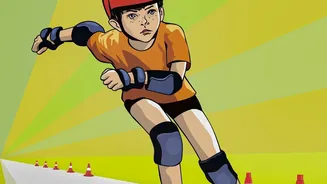
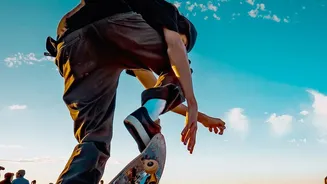
Let’s start with the most obvious difference: gravity. Whether on a skateboard or roller skates, a core part of the learning process is falling. For beginners, losing balance is not a matter of 'if' but 'when', and the ground is unforgiving. The most common
injuries for new skaters are a direct result of this reality. Wrist sprains and fractures are exceptionally frequent, as the natural instinct is to throw your hands out to break a fall. According to studies, these wrist injuries can account for nearly 40% of all skating-related incidents for beginners. After wrists come injuries to the tailbone from falling backward, and an assortment of scrapes, bruises, and sprains to ankles and knees. While less common, head injuries are the most serious risk, making a helmet non-negotiable.
The Gentle Path of Slow Movement
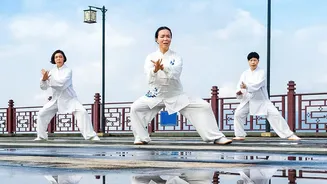
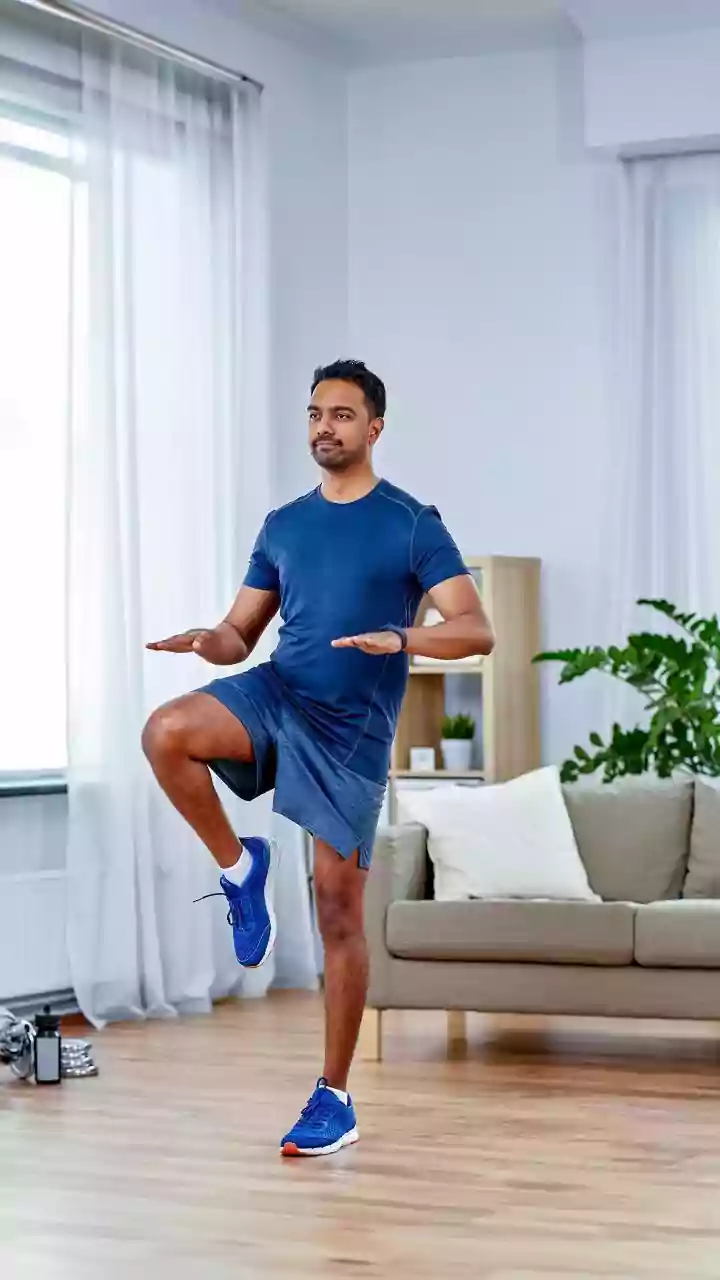
Tai Chi exists on the opposite end of the impact spectrum. Known as 'meditation in motion', it is a low-impact martial art consisting of slow, controlled, and flowing movements. Falls are highly unlikely for a beginner in a typical class. The focus is on deliberate weight shifting, posture, and mindful breathing, which are performed in a stable, semi-squatting position. The primary physical risks in Tai Chi are minor and often avoidable. Beginners might experience muscle soreness or, if they push too hard or use improper form, a potential strain in the knees or lower back. However, these risks are minimal compared to the high-impact nature of skating. A good instructor will emphasize listening to your body and modifying movements to prevent even these minor issues.
Gearing Up Versus Showing Up
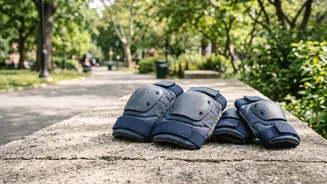
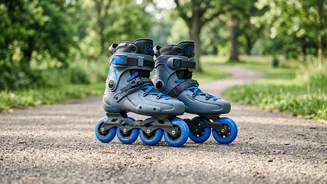
The safety approach for each activity is reflected in its required equipment. For skating, protective gear is essential. A full set for a beginner should include a helmet, wrist guards, knee pads, and elbow pads. Wrist guards are arguably the most crucial piece of kit after the helmet, specifically designed to prevent the common hyperextension injuries that happen during falls. High-quality pads don’t just cushion an impact; their hard outer shells are designed to help you slide, dispersing energy and reducing the force on your joints. In stark contrast, Tai Chi requires no safety equipment at all. All you need are comfortable clothes that allow for free movement and a small amount of space. This lack of gear makes it an incredibly accessible and low-cost activity to start.
The Learning Environment and Curve
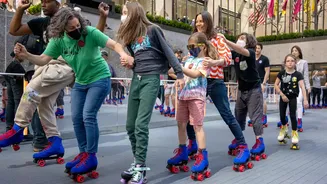
How you learn can also influence safety. Many skaters are self-taught or learn informally from friends, which can lead to developing bad habits or trying maneuvers before they've mastered the basics, increasing injury risk. While skate parks and lessons are available, the culture often embraces a trial-and-error approach. Tai Chi is almost always learned in a more structured environment, such as a community class or studio, led by an instructor. This guided setting ensures that beginners learn the foundations of posture and movement correctly, which is key to both the benefits and the safety of the practice. An instructor can provide immediate feedback and modifications, ensuring movements don't cause strain.
Long-Term Safety and Building Resilience
Interestingly, both activities can improve your long-term physical safety, but in different ways. Skating builds dynamic balance, core strength, and cardiovascular health. Once proficient, a skater’s body is more conditioned to react quickly to instability. Tai Chi is famous for its profound effects on balance and fall prevention, particularly in older adults. Studies have shown that regular practice can significantly reduce the risk of falling by improving proprioception—your body's awareness of its position in space. By constantly challenging stability in a slow, controlled manner, Tai Chi effectively trains the body to prevent the very falls that are so common in other activities.