




The Allure of Yesterday
In the hustle of modern Indian cities, there's a growing craving for the comfort of the familiar. This sentiment has given rise to a popular trend in the café scene: spaces designed to transport you back in time. It’s more than just a business model;
it’s a response to a collective desire for warmth, authenticity, and a connection to a simpler past. These establishments are not dusty relics but are thoughtfully curated experiences. They tap into a shared cultural memory, whether it's the charm of a 1960s home, the distinct character of old Irani cafés, or the vibrant pop culture of the 1990s. This movement is about creating an atmosphere where patrons can slow down and savour a feeling of belonging, wrapped in the comforting embrace of nostalgia.
Designing the Decades
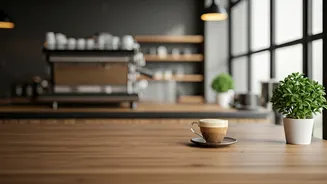
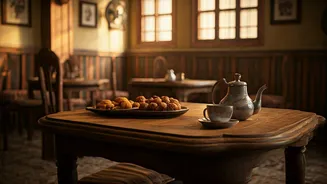
The magic of these cafés lies in their detailed and deliberate design. It’s not about cluttering a room with old furniture but about a stylistic revival. Think mosaic or checkerboard flooring, gracefully aged wooden furniture, walls adorned with vintage film posters, and the soft glow from antique chandeliers. Details like rotary dial phones, old-school slatted windows, and even the type of cutlery are chosen to evoke a specific era. Recently opened spots like Everhome Café in a Bandra bungalow use ochre walls, antique cabinets, and hand-painted murals to create the feel of a vintage home. These elements combine to build an immersive environment that is both a nod to the past and a chic statement in the present.
A Menu Full of Memories
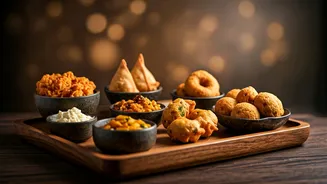
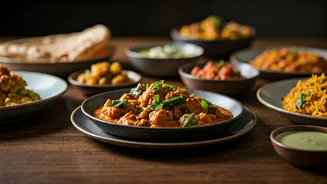
The nostalgic journey extends directly to the menu, where classic comfort foods are being celebrated and reintroduced. The revival of Irani cafés, for instance, has brought back beloved staples like bun maska, mawa cake, and spicy keema pav, often served in traditional cutting chai glasses. Chains like SodaBottleOpenerWala have been pivotal in re-popularising Parsi and Irani dishes, making them accessible to a new generation of diners across the country. Similarly, other cafés are digging into family recipes and regional specialties, offering everything from the simple perfection of a well-made filter coffee to reimagined versions of 90s snacks like Jim Jam-inspired cookies. This culinary trip down memory lane provides a taste that is both comforting and excitingly new.
The Irani Café Renaissance
Perhaps the most prominent example of this trend is the stylish resurgence of Irani cafés. Once a fading part of Mumbai's cultural fabric, with hundreds dwindling to just a few dozen, these unique institutions are seeing a revival. Originally started by Zoroastrian immigrants in the late 19th and early 20th centuries, these cafés were known for their distinct atmosphere: bentwood chairs, marble-topped tables, and large glass jars of biscuits. New-age entrepreneurs are now opening modern interpretations that honour this legacy. Establishments like Cafe Irani Chaii in Mumbai and the widespread Dishoom chain in London are paying homage to this culture, proving that its appeal is timeless and can be successfully reinvented for contemporary tastes.
Why We Love Looking Back
The popularity of these retro-themed spaces speaks to a deeper psychological need. In an increasingly digital and fast-paced world, there's a profound yearning for tangible connections and authentic experiences. These cafés provide a physical space for shared memory, particularly for millennials and Gen Z who romanticise the eras of their parents or their own early childhood. The aesthetic is highly appealing for social media, where a vintage backdrop offers a unique visual story. However, the appeal runs deeper than just aesthetics. It’s about finding comfort in a world of constant change and connecting with a narrative that feels both personal and collective. These cafés are successful because they offer more than just food and drink; they offer an emotionally resonant experience.