

An End to the Trend Treadmill
For years, the fashion landscape in India, much like the rest of the world, was dominated by the fast fashion model: rapid production, low costs, and a constant stream of new collections urging consumers to buy more. This created a culture of disposability,
where clothes were often discarded after a few wears to make room for the next micro-trend. However, a growing fatigue has set in. Shoppers, particularly millennials and Gen Z, are questioning the environmental and social costs of this model. They are becoming more aware of the impact of their purchases, leading to a deliberate move away from mindless consumption towards more thoughtful and conscious choices. This isn't just about rejecting trends; it's about seeking value beyond the price tag.
The Rise of the Conscious Shopper
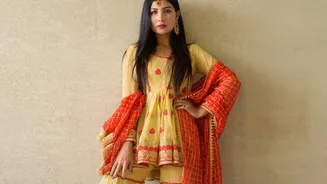
The modern Indian consumer is increasingly driven by a new set of values. Sustainability is no longer a niche concern but a significant factor in purchasing decisions. Reports show a strong preference for eco-friendly materials like organic cotton and for brands with transparent, ethical production practices. This shift is deeply connected to India's own heritage of slow fashion. Before the term was coined, Indian textile traditions like handloom weaving, khadi, and block printing embodied the principles of durability and local craftsmanship. Today, a new generation of designers is reviving these techniques, blending heritage with contemporary aesthetics. This resonates with shoppers who are looking for authenticity and a story behind their clothes, transforming a garment from a mere product into a piece of cultural expression.
Social Media: From Trend Engine to Style Showcase
Interestingly, the same platforms that once accelerated micro-trends are now catalysing the move towards personal style. While social media still introduces new trends, it has also democratised fashion, allowing individuals to become influencers by showcasing their unique aesthetic. Instead of just following global trends, users are creating and sharing their own looks, often by upcycling old garments or blending traditional pieces with modern wear. This has fostered a space where personal identity trumps mass-market conformity. Influencers now often build their brands around authenticity and relatability, which in turn encourages their followers to cultivate their own distinct style rather than simply copying what's on the runway.
Designers Championing Timelessness and Craft
Leading Indian designers are pivotal in this movement. Many are focusing on creating 'timeless classics' rather than seasonal collections that quickly become dated. Designers like Amit Aggarwal are focused on creating longevity and bringing couture sensibilities into everyday wear, encouraging a more continuous dialogue with the wearer. This approach is about designing clothes that last, both in terms of quality and style. Others, like Ritu Beri, emphasise blending tradition with innovation to create enduring narratives. By focusing on versatility and craftsmanship, designers are encouraging consumers to invest in fewer, better pieces that can be worn for years across various occasions, which is the very essence of a personal and sustainable wardrobe.
Building Your Forever Wardrobe
Embracing personal style is a journey of self-expression. It begins with shifting the mindset from 'what's new?' to 'what's me?'. A practical first step is to conduct a wardrobe audit—understanding what you own, what you love, and what truly fits your lifestyle. Instead of impulse buys, focus on investing in high-quality, versatile pieces that can be styled in multiple ways. Exploring homegrown brands that champion craftsmanship and sustainable practices can uncover unique items that tell a story. The goal isn't to stop shopping, but to shop with intention—choosing pieces that resonate on a personal level and are made to be cherished for years, not just a season. This mindful approach not only benefits the planet but also helps in building a wardrobe that is a true reflection of individual identity.